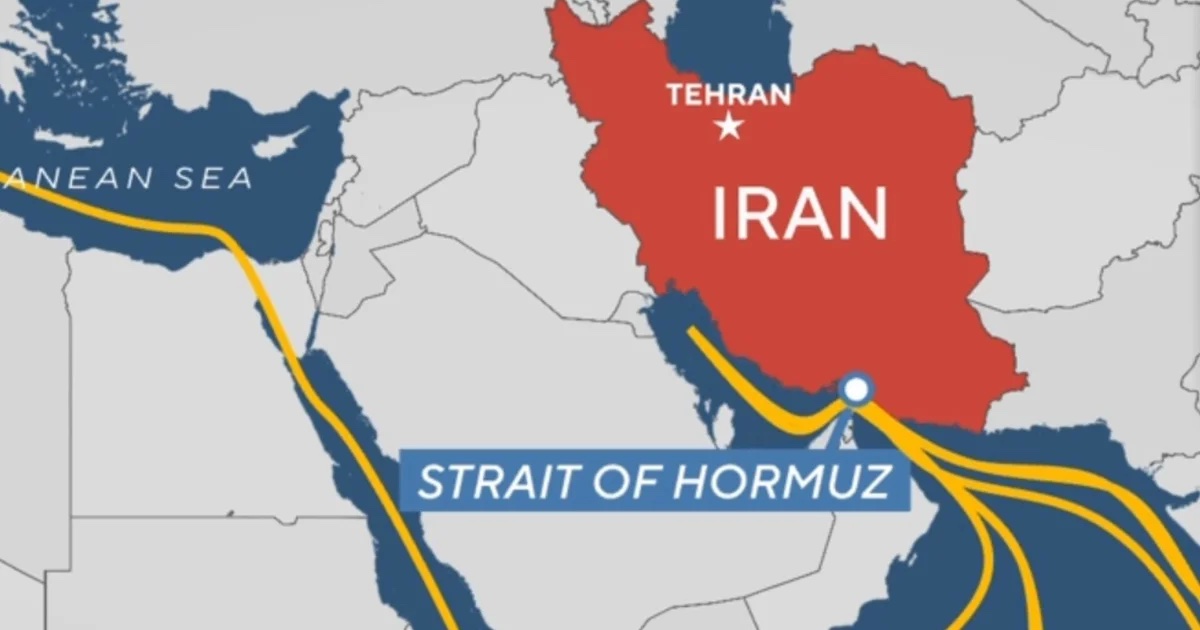
Shipping traffic in the Strait of Hormuz has dropped by 90 percent as the deadline for the US-Iran ceasefire approaches, amid stalled negotiations and rising tensions.
Shipping traffic through the Strait of Hormuz has significantly decreased as the 60-day ceasefire between the United States and Iran approaches its end, with no formal negotiations or agreements currently underway.
On Saturday, only five cargo vessels navigated the strategic oil route, as reported by Kpler data referenced by Reuters. No ships were noted passing through the strait on SuThis is a decrease from 31 vessels during the previous weekend.prior.
The recent slowdown comes after a three-month low that was noted last week. A five-day average indicated only 13 vessel transits on Tuesday, marking the lowest level since May 12, as per a CNBC analysis of Kpler data.
Since the war commenced on February 28, shipping through the Strait of Hormuz has decreased by approximately 90 percent.
The strait serves as a crucial energy corridor globally, transporting approximately one-fifth of the world’s oil supplies and generally witnessing around 130 vessel transits each day.
HSBC shipping expert Parash Jain informed CNBC’s Squawk Box Europe on Monday that investors ought to acknowledge that “chaos is the norm” within the shipping industry and incorporate ongoing disruption into their foundational assumptions.
Despite the significant drop in vessel traffic, oil prices decreased on Monday. Brent crude futures decreased by 0.15 percent, settling at $88.45 a barrel, whereas US West Texas Intermediate crude saw a decline of 0.74 percent, reaching $81.79.
The shipping disruption occurs amid stalled diplomatic efforts between Washington and Tehran, with the fragile ceasefire set to expire on Monday.
Iranian Foreign Minister Seyed Abbas Araghchi stated on Saturday that the two countries “do not have anything like a ceasefire,” as reported by the Iranian outlet Shahrara News.
“At this moment, no discussions have taken place between the United States and us…” Araghchi stated that Qatar and Pakistan are communicating with each other and maintaining contact with us; however, this does not imply that negotiations are taking place.
The future of the Strait of Hormuz has emerged as a focal point of increased tension between the two countries.
Last week, US President Donald Trump stated, “Pretty soon I’ll be declaring the Hormuz Strait a territory of the United States.”
Iran has dismissed any such assertion. Deputy Foreign Minister Kazem Gharibabadi stated on X on Friday that the strait would continue to be “Iranian” and could only be closed or reopened “under Iran’s command.”
As the ceasefire deadline draws near and diplomatic efforts have yet to yield formal negotiations, the uncertainty surrounding the crucial shipping corridor continues to impact global energy and maritime markets.