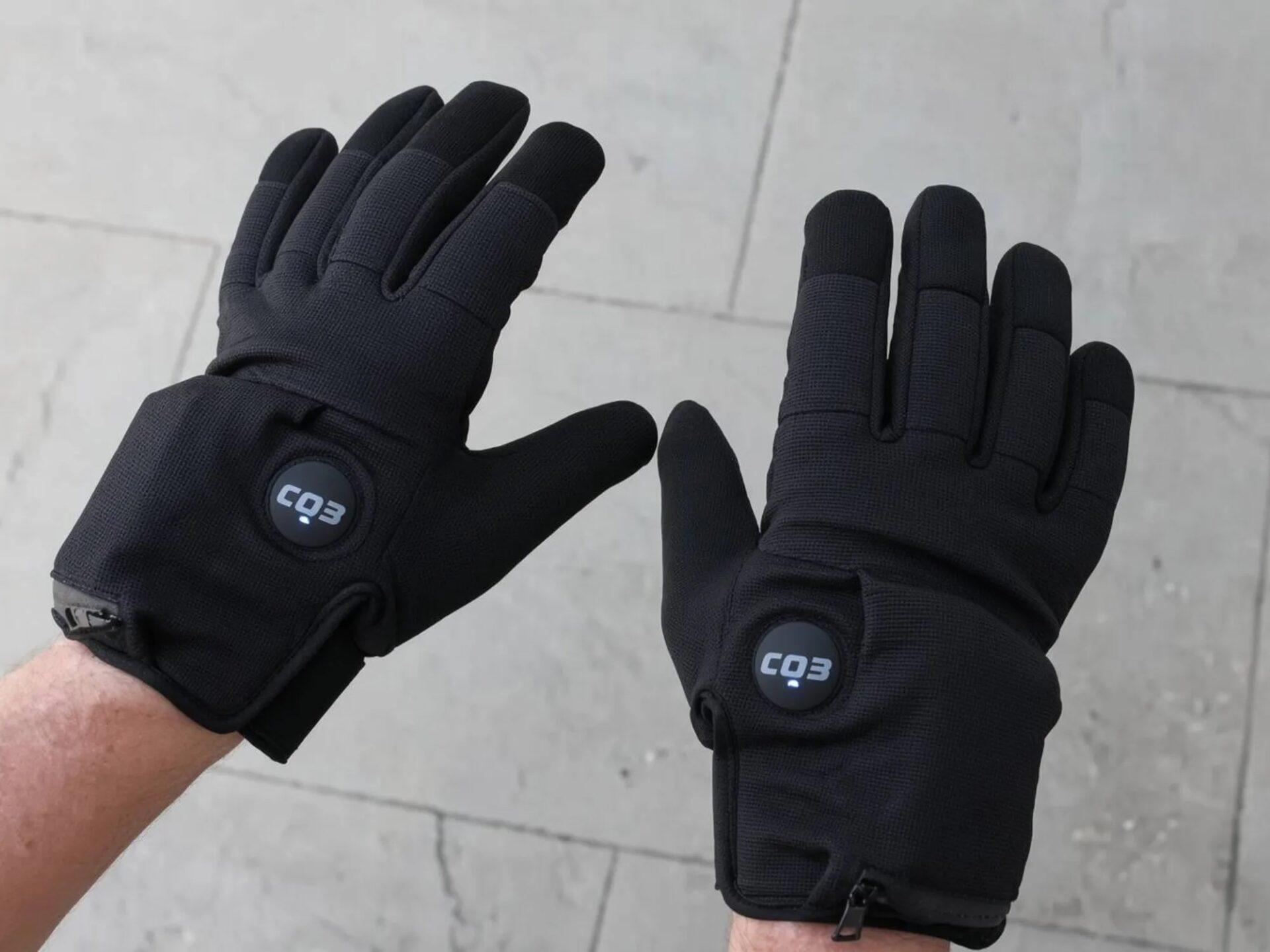
ICE is set to invest $20 million in electric shock gloves, raising concerns regarding the use of force and accountability in immigration enforcement.
US Immigration and Customs Enforcement (ICE) intends to allocate up to $20 million for the procurement of thousands of electric shock gloves for its officers, raising alarms among civil rights advocates regarding the possible implications for the use of force.
On Monday, the Department of Homeland Security (DHS) released a notice indicating that ICE plans to acquire devices referred to as “conductive distraction and de-escalation devices” by March.
The devices, referred to as G.L.O.V.E., which stands for Generated Low Output Voltage Emitter, are produced by Compliant Technologies LLC, a company located in Lexington, Kentucky.
The DHS notice suggests that it may publish a solicitation for a no-bid contract as soon as Friday.
DHS announced on Tuesday that it was in the process of preparing a response to inquiries regarding the planned purchase, though it did not offer additional details at that time.
Jeff Niklaus, founder and chief executive officer of Compliant Technologies, also chose not to comment on the planned ICE procurement.
As stated by the manufacturer, the devices operate as standard patrol gloves until an officer engages an electrical mode via a switch.
The gloves need to come into direct contact with an individual’s skin to provide an electrical stimulus designed to induce pain and achieve compliance almost immediately.
John Peters, president of the Institute for the Prevention of In-Custody Deaths, who is examining the use of the technology, characterized the sensation as immediate and sharp.
It’s quick and intense, and it will draw your attention away. I refer to it as a bee sting,” Peters remarked.
He mentioned that the devices might prove especially beneficial when officers face individuals who are resisting arrest or declining to follow orders.
Peters indicated that ICE’s proposed acquisition might represent the largest order the company has ever placed, and he suggested that the gloves could be utilized for the removal of uncooperative individuals from vehicles, homes, and detention facilities.
He also contended that the devices could assist smaller, older, or physically weaker officers in resolving confrontations more swiftly.
Civil rights advocates have expressed concerns regarding the proposed purchase, contending that ICE officers are already under scrutiny for their use of force and what critics characterize as insufficient oversight.
Jenn Rolnick Borchetta, deputy project director on policing at the American Civil Liberties Union, raised concerns about the necessity of electric shock devices in civil immigration enforcement.
She also voiced her worries that individuals might experience electric shocks unexpectedly.
“ICE has demonstrated over the past year that they are too hasty in their use of force.” “Now they will have the capability to deploy electric shocks with just a subtle push of a button that perhaps no one else can observe,” Borchetta stated.
“Introducing gloves that can effortlessly inflict significant pain during confrontations poses a serious risk to public safety,” she added.
Compliant Technologies states that the gloves are designed for particular scenarios, such as restraining violent suspects who resist being placed in police vehicles and managing inmates who may pose a threat to themselves or officers.
The manufacturer cautions that the devices should not be employed as a form of punishment or directed at individuals who are simply verbally defiant or confrontational.
It also cautions against their use among high-risk groups, such as children, pregnant women, the elderly, and individuals with disabilities.
Peters recognized the potential for some officers to misuse the technology, similar to other law enforcement tools, but expressed that he did not anticipate widespread injuries if the devices were utilized correctly.
He stated that effective policies, training, and oversight would be crucial if ICE moves forward with the purchase.
As stated by the manufacturer, officers are required to complete a training course prior to using the devices and must undergo recertification every two years.