Colombia Earthquake: Rescue teams are combing through the debris as the death toll climbs to 254
Rescue teams are conducting searches in collapsed structures throughout Colombia as the death toll from the devastating earthquake climbs to a minimum of 254.
Rescue teams in western Colombia are sifting through piles of debris in a frantic effort to find survivors following the country’s most powerful earthquake of this century, which has claimed the lives of at least 254 individuals.
The 7.4-magnitude earthquake hit Colombia’s coffee-growing heartland early Monday, causing destruction or significant damage to apartment blocks, homes, schools, and health centers.
Separate reports from affected cities on Tuesday indicated that the death toll has reached 254, with 101 fatalities in Pereira and 95 in Cali, which is Colombia’s third-largest city.
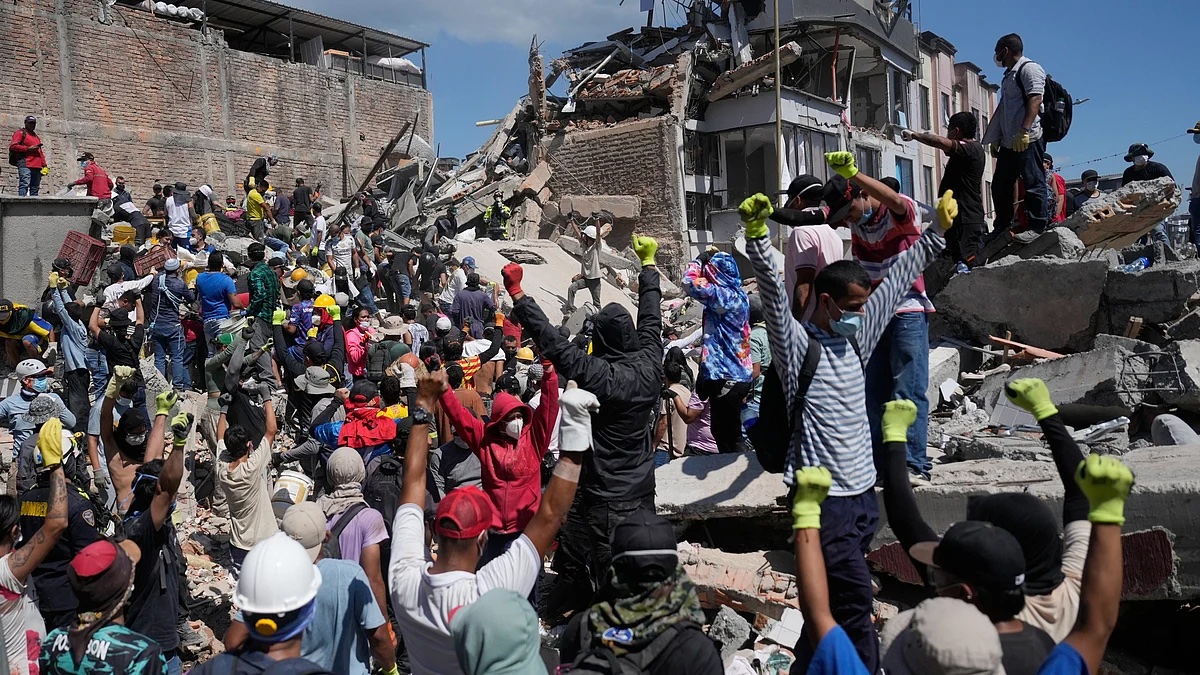
Rescuers toiled throughout the night and into Tuesday, employing cranes, excavators, and their own hands. At multiple locations, rescue teams requested silence to listen for individuals trapped beneath fallen debris.
They formed human chains to clear debris and pass buckets filled with rubble while searching for survivors.
Thousands of individuals have found themselves without shelter, with numerous families compelled to spend the night outside as officials evaluate the safety of their residences.
In Pereira, Rosa Gonzalez recounted her escape from a guest house she operated with her husband and their 10-month-old baby as the building started to tremble.
“The structure began to creak, and just as we rushed outside, the building collapsed,” she recounted to Reuters.
Eight people managed to escape the building, but Gonzalez reported that an elderly man was still trapped on a terrace, raising concerns that he might be among the casualties. Her cat was saved from the debris during the night.
Social media influencer Jose Gallego was present at Pereira airport when the earthquake occurred. He was capturing a live video when the intense shaking started, compelling him to take cover under a table as debris from the ceiling cascaded down.
“There were individuals hurt, bleeding, crying out, and attempting to connect with their loved ones,” he stated.
Gallego expressed that he couldn’t find rest and remained in open areas due to concerns about potential aftershocks. By Tuesday afternoon, over 100 aftershocks had been documented.
“I walked across the city; it took two hours, and the sights were heartbreaking,” he remarked. “It felt as though a nightmare had materialized.”
In California, rescue workers, volunteers, and local officials assembled around the devastated Torres del Limonar apartment complex, where onlookers erupted in cheers as rescuers successfully pulled a woman alive from the debris.
She was placed on a stretcher and transported away from the scene while rescue operations persisted.
However, the extent of the destruction surpassed the capacity of local authorities. Cali’s public health secretary, German Escobar, stated that the city’s morgue had reached capacity and that authorities were retrieving additional bodies from the streets.
Residents in certain neighborhoods prepared meals outside and retrieved possessions from affected structures.
Cali Mayor Alejandro Eder implemented an overnight curfew, joining officials in other impacted regions, to deter looting. Footage shared on social media captured residents expressing their frustrations at him during a visit to a severely damaged neighborhood.
Alberto Machado, 34, reported that the earthquake devastated his home in Cali just after he had dropped his son off at school.
His wife, mother-in-law, and two young children spent the night at a neighbor’s home, unsure of their next steps.
A sporhosted approximately 60 individuals overnight, including 30 elderly residentss who were evacuated from a damaged nursing home.
Animal shelters in the impacted cities made urgent appeals for food, medicine, and volunteers as they faced challenges in caring for displaced dogs and cats.
The situation was especially challenging in Indigenous communities in Choco, the forested region along the Pacific that is near the earthquake’s epicenter.
Numerous communities continued to lack electricity, water, medical supplies, and dependable communications, as damaged roads further hindered rescue and relief efforts.
Andres Caicedo, a community leader in Sipi, informed Caracol TV that residents were facing difficulties in accessing essential assistance in a region already impacted by assaults from armed groups.
“We’re climbing trees to find bits of internet connection,” Caicedo said.
“We have children and elderly individuals who are still struggling to cope with the shock … We lack a health center and medical supplies; we have done everything we can ourselves.
Three airports were closed on Tuesday afternoon, and several major highways were also inaccessible.
Numerous impacted communities still faced shortages of gas, water, and electricity.
The chief of the National Coffee Federation, German Bahamon, stated on social media that the organization was evaluating the damage to farms and rural infrastructure.
The government is encountering backlash regarding the rising death toll.
The earthquake struck just days after President Abelardo De La Espriella took office.
De La Espriella visited the impacted regions and committed to providing financial assistance for those who have lost their homes.
His government announced immediate austerity measures upon taking office and is preparing to revise a budget exceeding $180 billion inherited from the previous left-wing administration.
The president provided a national death toll estimate around midday Monday; however, the government has yet to release an updated national figure, even as local authorities report an increasing toll.
Government entities were reportedly directed not to disclose their figures, a decision that has faced criticism and led to confusion regarding the actual number of fatalities.
With communications still disrupted in some of the worst-hit areas, officials cautioned that it may take several days to assess the full extent of the destruction and ascertain the final death toll.
Rescue operations are set to persist as teams scour collapsed structures for survivors, while officials evaluate the destruction in Colombia’s most affected areas.