Japan and the US have promised to work together even more after helping to stabilize the yen and calm markets.
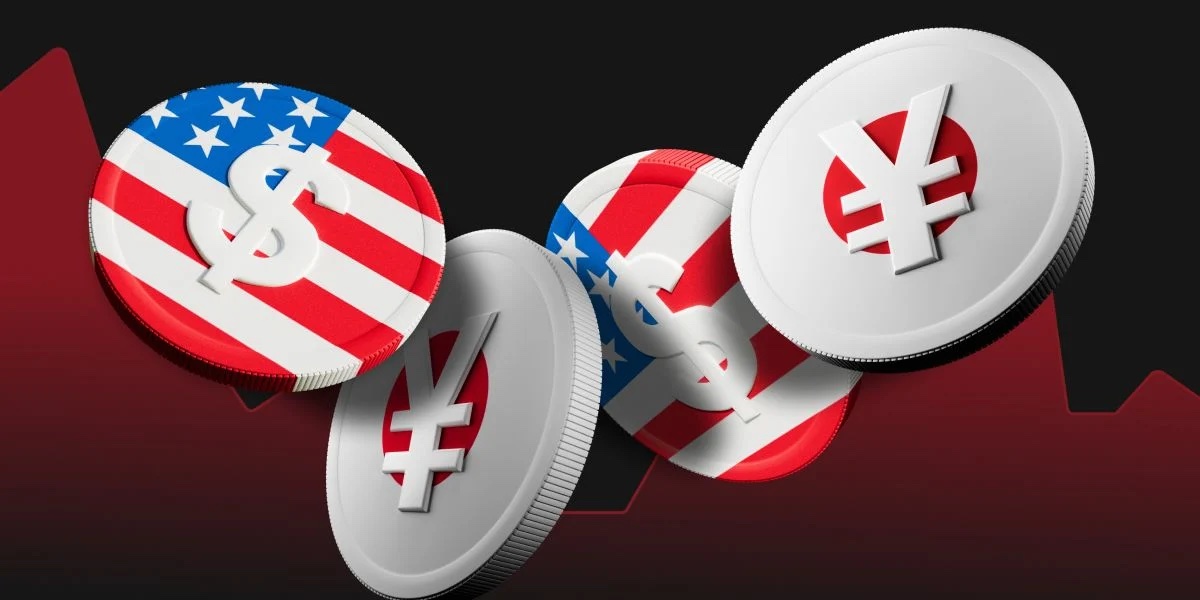
The United States and Japan have agreed to work together to stop the yen from falling even further against the US dollar. This comes after the yen hit a new 40-year low against the US dollar.
The joint action is the first of its kind since 2011, when both countries stepped in after Japan’s devastating earthquake and tsunami. Itindicatess that people are becoming more worried about how a weakening yen could affect the world economy and financial markets.
The US Treasury Secretary Scott Bessent and Japan’s Ministry of Finance both said that their governments are still ready to work together to stop the foreign exchange market from becoming too volatile.
According to data from the Bank of Japan, Tokyo may have sold almost $59 billion worth of US dollars to buy yen during an intervention in New York trading on Thursday, before the reported joint operation with Washington on Friday.
The US Treasury hasn’t said how much it is helping, but Reuters caught a note in front of Bessent during a cabinet meeting that said, “To Do: Buy Japanese Yen $5-10 bil.”
Shigeto Nagai, who is the head of Japan Economics at Oxford Economics, said that Washington’s involvement showed that it had economic interests to do so.
“The United States agreed to take part in the coordinated intervention because it is in the country’s best interests and could bring big benefits at a low cost.”
He also said that both countries would probably continue working together to stop speculative attacks on the Japanese yen over time.
Even if the actual amount of intervention isn’t very big, the prolonged sense of vigilance about it will be enough to keep speculators away.
The yen has been under constant pressure because Japan’s interest rates are still much lower than those in other major economies, especially the US. This makes the currency less appealing to investors around the world.
In June, the Bank of Japan raised its benchmark interest rate to 1%, which was the highest level since September 1995. In contrast, the US Federal Reserve’s key interest rate is still between 3.50 and 3.75 percent.
Japan also has long-term structural problems, such as a population that is shrinking among people of working age, slow economic growth, and a heavy reliance on energy imports that cost US dollars.
Japan’s Finance Ministry said in a statement on Monday that the joint intervention with the US Treasury on Friday had “countered excessive volatility and disorderly movements in the Japanese yen in recent months.”
Treasury Secretary Bessent emphasized the necessity of joint action to stabilize currency markets.
“The coordinated foreign exchange actions stopped the yen from moving in an unpredictable way. We strongly support Japan’s decisive market and monetary steps to fix the yen’s significant undervaluation.”
Furthermore, US President Donald Trump supported the action by telling reporters that Washington was ready to help its ally.
“Their yen is getting weaker, and they asked for some help. Japan can always rely on us.
The US dollar briefly fell to 157.07 yen after Trump’s comments, but it quickly rose to around 157.70 yen after Japan’s Finance Ministry made its statement. The dollar, on the other hand, is still a long way below its 40-year low of 164 yen to the dollar, which was set last month.