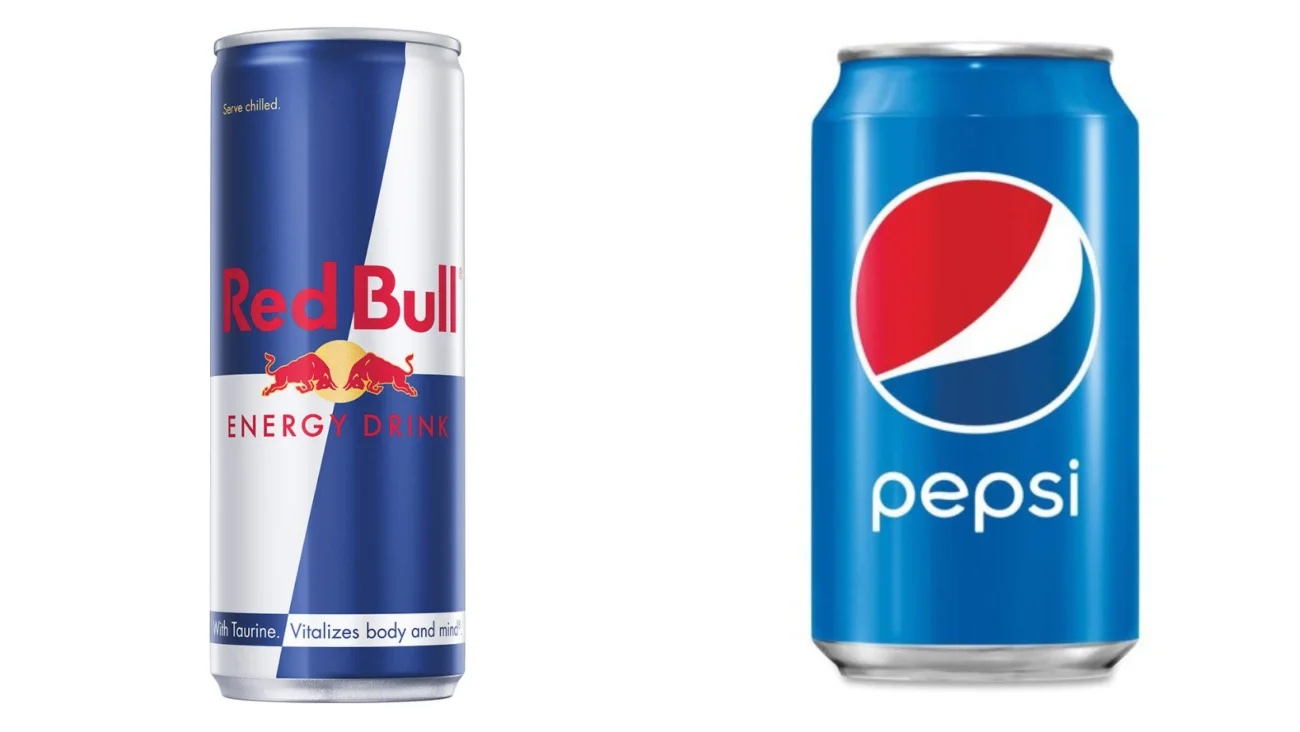
India directs Pepsi and Red Bull to remove ‘Energy Drink’ labels
India has mandated that Pepsi, Red Bull, and other companies eliminate “energy drink” labels within 90 days as part of a crackdown on misleading claims.
India has instructed manufacturers of high-caffeine beverages labeled as “energy drinks” to cease using that description, intensifying regulatory oversight of a rapidly expanding market anticipated to reach $1.6 billion by 2028.
The Food Safety and Standards Authority of India (FSSAI) issued notices earlier this month indicating that there are no recognized Indian standards for products labeled as “energy drinks.” The authority cautioned that claims suggesting these beverages “vitalize body and mind” or “aid in general weakness” are misleading.
Even though the regulator made the notices public, private documents and sources familiar with the situation revealed that the directive went further, telling major companies like Pepsi, Red Bull, Monster Beverage, Reliance Consumer Products, and Hell Energy to remove the term “energy drink” or any similar label from their products.
The decision has provoked pushback from the beverage sector, which contends that eliminating the category label might jeopardize brands centered on instant-energy promotion and negatively impact sales.
During a private meeting with senior executives on Friday, FSSAI Chief Executive Rajit Punhani dismissed industry arguments, stating that companies were welcome to contest the directive in court if they disagreed.
Neither the FSSAI nor Punhani provided a response to requests for comment. Pepsi chose not to provide a comment, and Red Bull, Monster Beverage, Reliance, and Hell Energy did not reply to Reuters’ inquiries.
However, a source from the Indian government indicated that the industry ultimately consented to adhere to the labeling requirement following the meeting, with the regulator allowing companies 90 days to implement the changes.
The crackdown arises in response to increasing global worries regarding the health implications of drinks that are high in caffeine, sugar, and taurine. England will prohibit the sale of high-caffeine energy drinks to children under 16 starting in April next year, while certain areas in Pakistan already mandate that these products be labeled as “stimulant drinks.”
The Indian Beverage Association, representing major beverage companies, expressed its commitment to adhering to regulations and engaging constructively with authorities on science-based policymaking.
In a confidential letter dated July 6, the association urged the FSSAI to take a more consultative approach, cautioning that public disclosure of preliminary notices could harm company reputations, disrupt operations, and create confusion among consumers.
It emphasized the necessity of “regular stakeholder consultations prior to implementing significant interpretational changes,” contending that a “predictable, consultative, and transparent” regulatory framework would minimize litigation and promote smoother compliance.
India’s energy drinks market has seen significant growth since Pepsi launched its affordable Sting brand in 2017. Sold in 20-rupee ($0.21) bottles, the product gained popularity among teenagers and consumers in rural areas, contributing to its status as the country’s market leader, according to market research firm Euromonitor.
Retail sales of these beverages are projected to hit $1.6 billion by 2028, with an average annual growth rate of 12.6%, surpassing growth rates in both the United States and China. According to Euromonitor, sales volumes almost doubled annually from 2018 to 2023.
Among regular consumers is 24-year-old bike mechanic Sunny Rajvansi from Uttar Pradesh, who mentioned that he often drinks Pepsi’s Sting and Reliance’s Campa Energy.
“Whenever we feel hungry or step out for a smoke, I grab a drink.” “It fills my stomach and gives me strength to work,” Rajvansi said, adding, “I feel I am addicted to them.”
Enforcement has commenced at the state level. Authorities in Rajasthan have confiscated thousands of bottles of Sting, Campa Energy, and Red Bull during an ongoing compliance initiative.
On July 8, the state government instructed major e-commerce platforms, including Amazon, Flipkart, Blinkit, and Swiggy Instamart, to ensure that no beverages were advertised or promoted as “energy drinks,” as stated in an official letter.