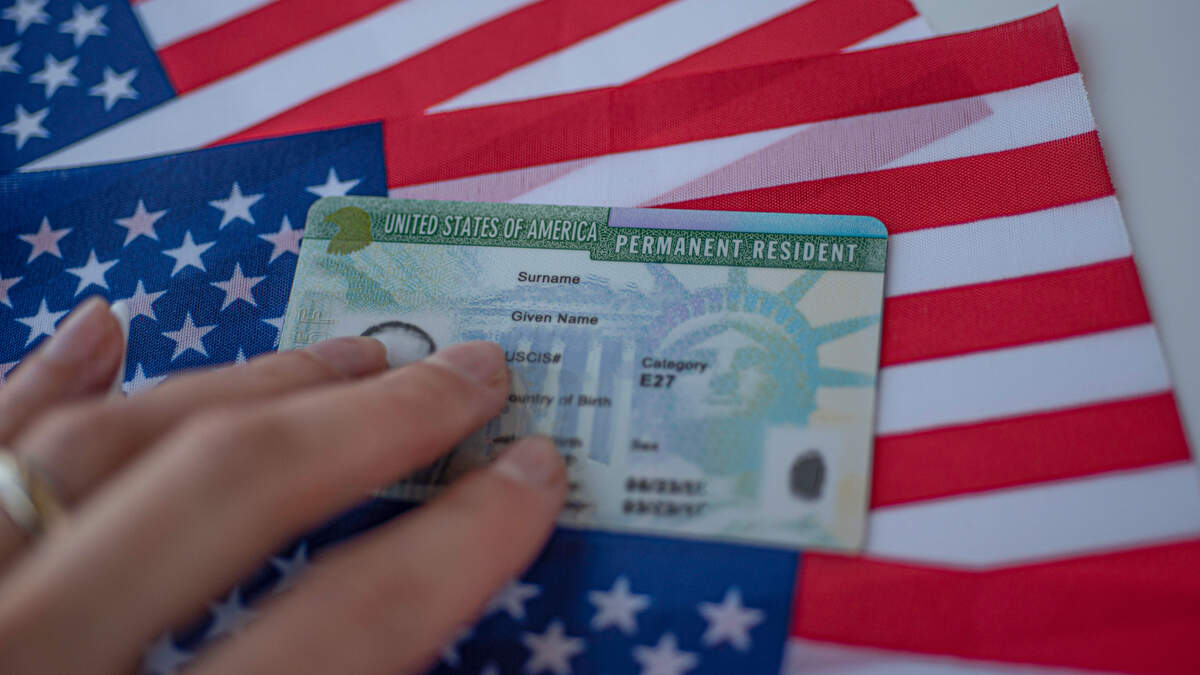
The US has reinstated the public charge rule, which may prevent immigrants from obtaining green cards if they utilize taxpayer-funded public benefits, effective September 18.
The Department of Homeland Security (DHS) announced on Thursday that the United States will reinstate a rule that may deny permanent residency to immigrants who utilize public benefits like food stamps and Medicaid.
The policy, effective September 18, is a component of President Donald Trump’s immigration agenda. The administration states that individuals applying for green cards should not be considered “public charges” who rely mainly on government assistance.
Initially implemented during Trump’s first term in 2019, the rule expanded the definition of a public charge to encompass immigrants who utilized government benefits for over 12 months within any three-year timeframe.
The Biden administration eliminated the policy in 2022, limiting the situations in which immigrants could be refused permanent residency.
In a post on X, the US Citizenship and Immigration Services stated that the reinstated rule emphasized the intention “that aliens in the United States be self-reliant and not dependent on taxpayer-funded government benefits.”
The initial rule faced significant backlash from immigrant advocacy organizations, which contended that it unfairly impacted low-income immigrants and hindered numerous individuals from securing green cards.