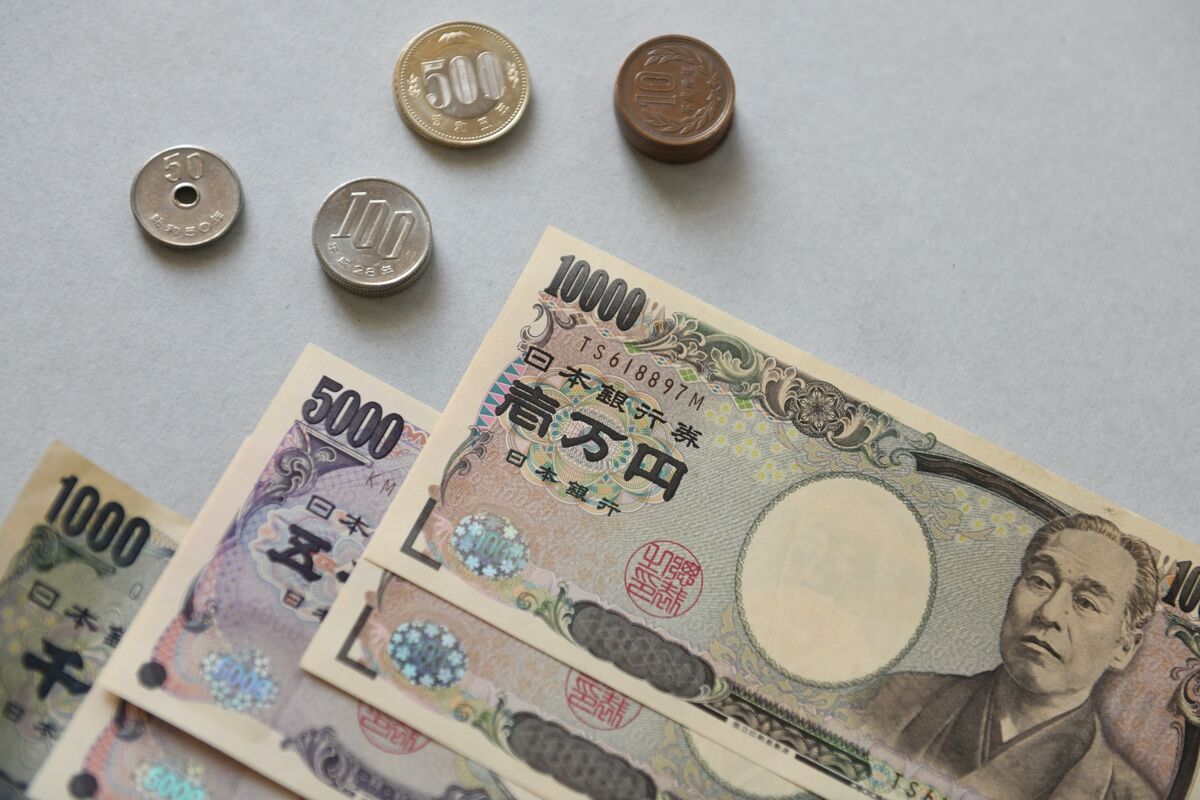
Japan’s yen rises as traders expect potential government intervention, with speculation and market uncertainty fueling increased activity in currency trading.
On Thursday, Japan’s yen appreciated against the US dollar, leading to speculation that Japanese authorities might step in to stabilize the nation’s weakened currency in the foreign exchange market.
The sudden shift surprised traders, though there was no immediate confirmation regarding the cause of the rally or if government officials had participated in the market. Market participants indicated that the gains might have been driven by reports of a potential rate check by Japanese authorities, although the increase was more subdued compared to earlier intervention episodes.
The dollar experienced a brief decline of up to 0.9%, reaching 161.115 yen, before regaining some ground to trade around 161.58 yen, reflecting a decrease of approximately 0.6% for the day.
Japan’s Ministry of Finance refrained from commenting on the currency’s movement, prompting investors to speculate on whether officials had acted behind the scenes.
Derek Halpenny, Head of Research for Global Markets EMEA at MUFG in London, noted that markets were on edge in anticipation of important US jobs data, coupled with decreased trading volumes ahead of the US Independence Day holiday.
Japanese officials are reportedly shifting away from publicly indicating potential intervention, as noted by Reuters. Authorities are reportedly adopting a more focused approach aimed at unsettling speculators and heightening the risks associated with betting against the yen.
Officials are believed to be avoiding any specific exchange-rate level that would trigger intervention, making it more difficult for traders to anticipate government actions.
Bart Wakabayashi, the Branch Manager at State Street in Tokyo, observed that the first response in the market appeared to match what officials were doing; however, later trading suggested that the changes might have been more driven by guesses about a possible rate check instead of actual government action.
A rate check entails government officials reaching out to financial institutions to gather buying and selling quotes for the yen, and it is commonly viewed by traders as a potential signal for direct market intervention. However, there has been no confirmation of such inquiries.
The yen fell past the 162 per dollar threshold earlier this week, reaching its lowest point in forty years as Japan’s comparatively low interest rates continued to impact the currency. It has decreased by approximately 3% compared to the dollar since the start of the year.
Recent attempts to bolster the yen have provided only modest assistance. A widely anticipated interest rate increase by the Bank of Japan in June, coupled with easing geopolitical tensions after a temporary ceasefire between the United States and Iran, did not generate sustained momentum. Over $70 billion allocated for currency intervention in April and May has been mostly countered by the ongoing strength of the dollar.
The yen has given up almost all of the gains achieved following Japan’s earlier interventions, as the anticipation that the US Federal Reserve may sustain high interest rates continues to bolster the dollar, while the Bank of Japan is likely to uphold its gradual strategy regarding monetary policy tightening.
Takeshi Ishida, a strategist at Kansai Mirai Bank in Osaka, noted that if Thursday’s action was indeed influenced by official intervention, its effect seemed rather limited in comparison to past operations.