NATO allies remain quiet regarding Turkey’s human rights issues as the summit approaches
NATO allies refrain from openly criticizing Turkey’s human rights record, as security priorities take precedence over concerns ahead of the alliance summit.
NATO allies have predominantly ceased public criticism of Turkey’s human rights record, redirecting their attention to security collaboration as Ankara’s strategic significance to the alliance increases in anticipation of this week’s NATO summit.
The change highlights a significant difference from 2021, when 10 Western ambassadors, including representatives from the United States, France, Germany, and Canada, urged the release of imprisoned philanthropist Osman Kavala, leading President Recep Tayyip Erdogan to threaten their expulsion.
The ambassadors released conciliatory statements, resolving the diplomatic crisis, and Erdogan indicated that they would exercise greater caution moving forward.
Since then, especially after Russia’s invasion of Ukraine in 2022, Western governments have mostly avoided publicly addressing issues related to democracy, human rights, and the rule of law in Turkey, opting instead to bolster defense connections with the NATO ally.
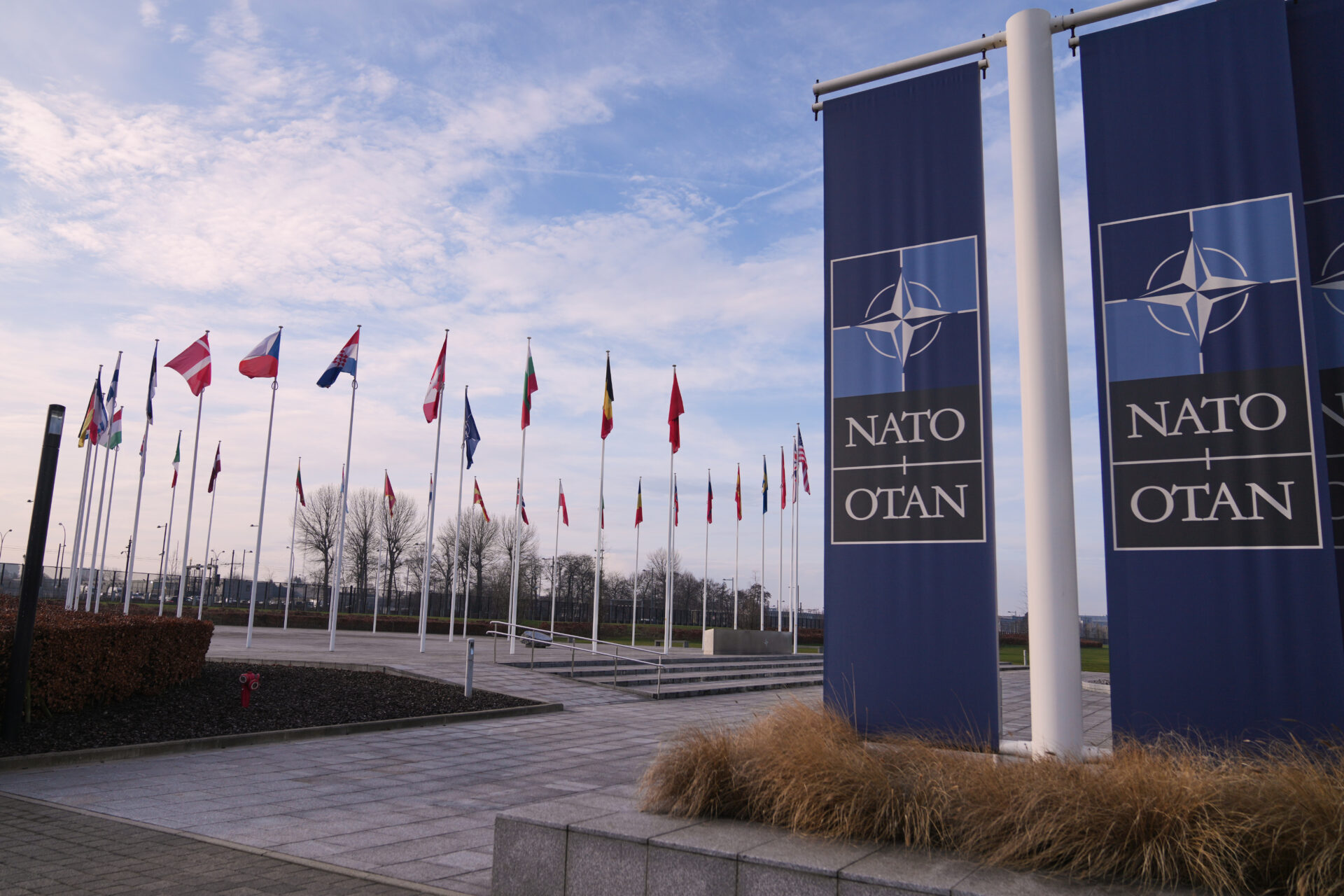
The issue is anticipated to be largely absent when leaders of NATO’s 32 member states convene in Ankara on 7 and 8 July.
Western and Turkish diplomats involved in preparations for the summit indicate that leaders are unlikely to publicly criticize Turkey’s expanding legal crackdown on the main opposition Republican People’s Party (CHP). This includes the imprisonment of Istanbul Mayor Ekrem Imamoglu, who is Erdogan’s primary political rival and the party’s presidential candidate.
Critics contend that the West’s relative silence has strengthened Ankara’s increasingly authoritarian stance and undermined support for Turkey’s democratic institutions.
David Satterfield, a former US ambassador to Turkey, emphasized the ongoing importance of Western governments voicing their positions.
David Satterfield, a former US ambassador to Turkey, emphasized the ongoing importance of Western governments voicing their positions.
“It’s crucial for Turks to listen to others discussing their system in this manner.”
Erdogan’s office did not provide a response to requests for comment.
Kavala has spent almost nine years in prison and is facing a life sentence for allegedly attempting to overthrow the government, charges he firmly denies.
The European Court of Human Rights has determined that Kavala should be released, citing a lack of sufficient evidence against him and stating that his detention was aimed at silencing him.
Erdogan’s ruling Justice and Development Party (AK Party) dismisses claims that Turkey’s judiciary is subject to political influence, asserting that the courts function independently.
The opposition CHP claims that hundreds of its elected officials and members have been imprisoned over the last two years in what they characterize as a politically driven judicial campaign.
Human rights organizations have expressed apprehension in anticipation of the NATO summit, following the Turkish authorities’ decision to deny accreditation to numerous journalists from independent media outlets and the detention of over 200 individuals, citing security issues.
NATO emphasized the importance of journalists attending the summit in person, stating that the host country determines accreditation decisions.
Western diplomats indicated that numerous governments now choose to express their concerns privately to Turkish officials, contending that public criticism has had minimal impact on Ankara’s policies.
The summit will also signify President Donald Trump’s inaugural visit to Turkey since resuming his position in office.
Trump is anticipated to engage in bilateral discussions with Erdogan, whom he has consistently referred to as a friend, highlighting what analysts suggest are the most robust US-Turkey relations in years.
Turkey anticipates that the summit will strengthen alliance unity and enhance cooperation in the defense industry, with NATO Secretary General Mark Rutte indicating that agreements valued at tens of billions of dollars are likely to be revealed.
Turkey’s increasing significance within NATO arises from its location on the alliance’s south-eastern flank, its role as NATO’s second-largest military, and its development as a prominent exporter of armed drones.
Analysts indicate that these strategic considerations have progressively taken precedence over worries regarding Turkey’s democratic record.
Karol Wasilewski, who leads the Turkey, Caucasus, and Central Asia division at the Warsaw-based Centre for Eastern Studies, noted that Western governments now seem to place greater emphasis on security cooperation rather than on democratic values.