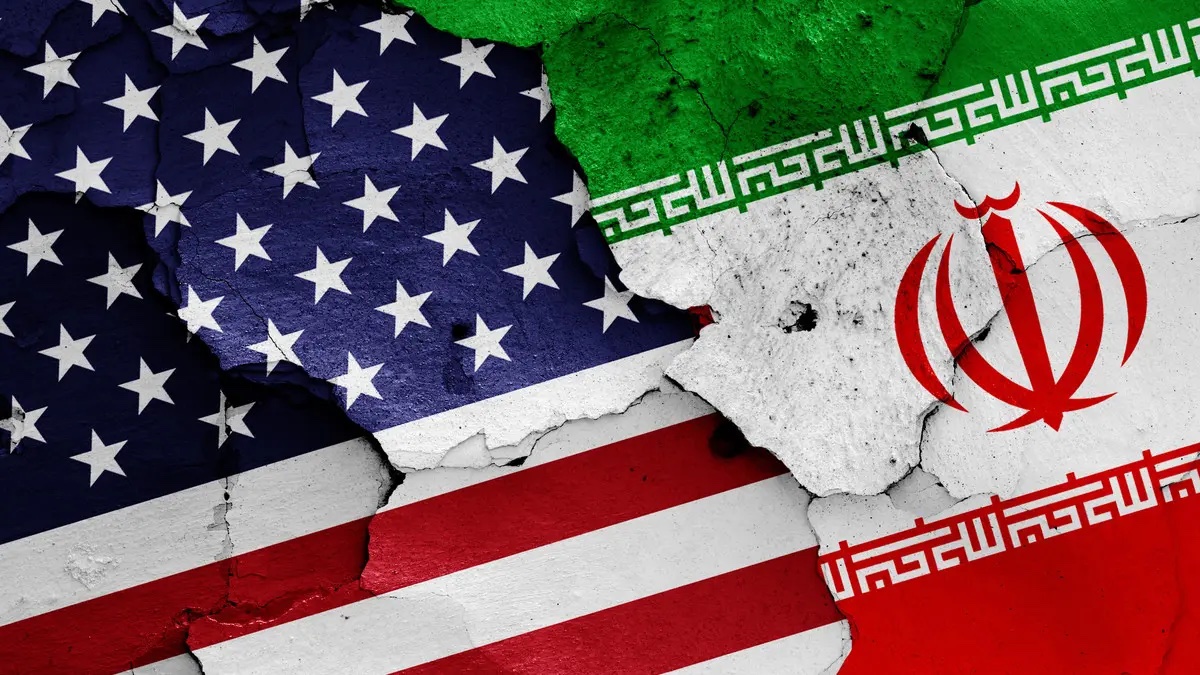
Iran refuses to have direct talks with US representatives, which makes it even less clear how the ceasefire will be carried out and how to achieve lasting peace.
Iran has said it would rather not talk directly with top US diplomats. This makes it even less likely that there will be a lasting peace deal, since both sides are still disagreeing about how to implement a fragile ceasefire and what will happen with Iran’s nuclear program.
On Tuesday, Iranian officials said they had not planned to meet with Jared Kushner, the son-in-law of President Donald Trump, and Steve Witkoff, who is the special envoy for the United States. They came to Doha for high-level talks after the recent outbreak of hostilities.
In its place, Qatar stated that the American delegation would meet with mediators instead of Iranian officials.
“In the next few days, there are no plans for any kind of meeting with the American side,” Esmaeil Baghaei, a spokesman for the Iranian Foreign Ministry, said.
Iran insisted that both sides must first settle any outstanding problems related to the ceasefire agreement made two weeks ago before talking about more controversial topics, such as possible limits on Iran’s nuclear program.
The new events show that there are still major disagreements over important parts of the preliminary framework. This framework suggests that Iran should loosen restrictions on shipping through the Strait of Hormuz in exchange for financial rewards and 60 days of talks to reach a lasting peace deal.
Qatar’s Foreign Ministry spokesman, Majed al-Ansari, announced the commencement of lower-level technical talks between the two parties. At the same time, Prime Minister Sheikh Mohammed bin Abdulrahman Al Thani met with the US team.
The Wall Street Journal says that Trump has spoken with Defense Secretary Pete Hegseth and Chairman of the Joint Chiefs of Staff General Dan Caine about possible new military strikes against Iran. However, Trump has chosen to give negotiations more time. Reuters said it couldn’t check the story on its own.
Commercial shipping has partially resumed through the Strait of Hormuz, which used to handle about 15% of the world’s oil and LNG supplies. However, Iran and its neighbor Oman have said that they still control traffic through the key waterway.
Mohammed Baqer Qalibaf, Iran’s chief negotiator, said that the country planned to start charging for transit after the current 60-day negotiation time ends in the middle of August.
“Iran and Oman share control of the Strait of Hormuz,” Qalibaf said on state news. “China and Iran have agreed on rules for traffic in the Strait.”
US Vice President JD Vance disagreed with that perspective and said Iran would not be able to charge foreign shipping.
Vance said in an interview, “This conflict is not going to end where the Iranians are charging ships tolls to go through the Strait of Hormuz.”
Although there is a lot of uncertainty in the diplomatic world, oil prices have gone down since the weekend, when the US attacked Iranian military centers and Iran attacked American military bases in Kuwait and Bahrain in response.
However, the UN Conference on Trade and Development warned that even after global energy markets stabilize, food and fuel prices could continue to rise in many weak countries.
The interim deal also has parts that are meant to stop fighting between Israel and Hezbollah in Lebanon, which is backed by Iran.