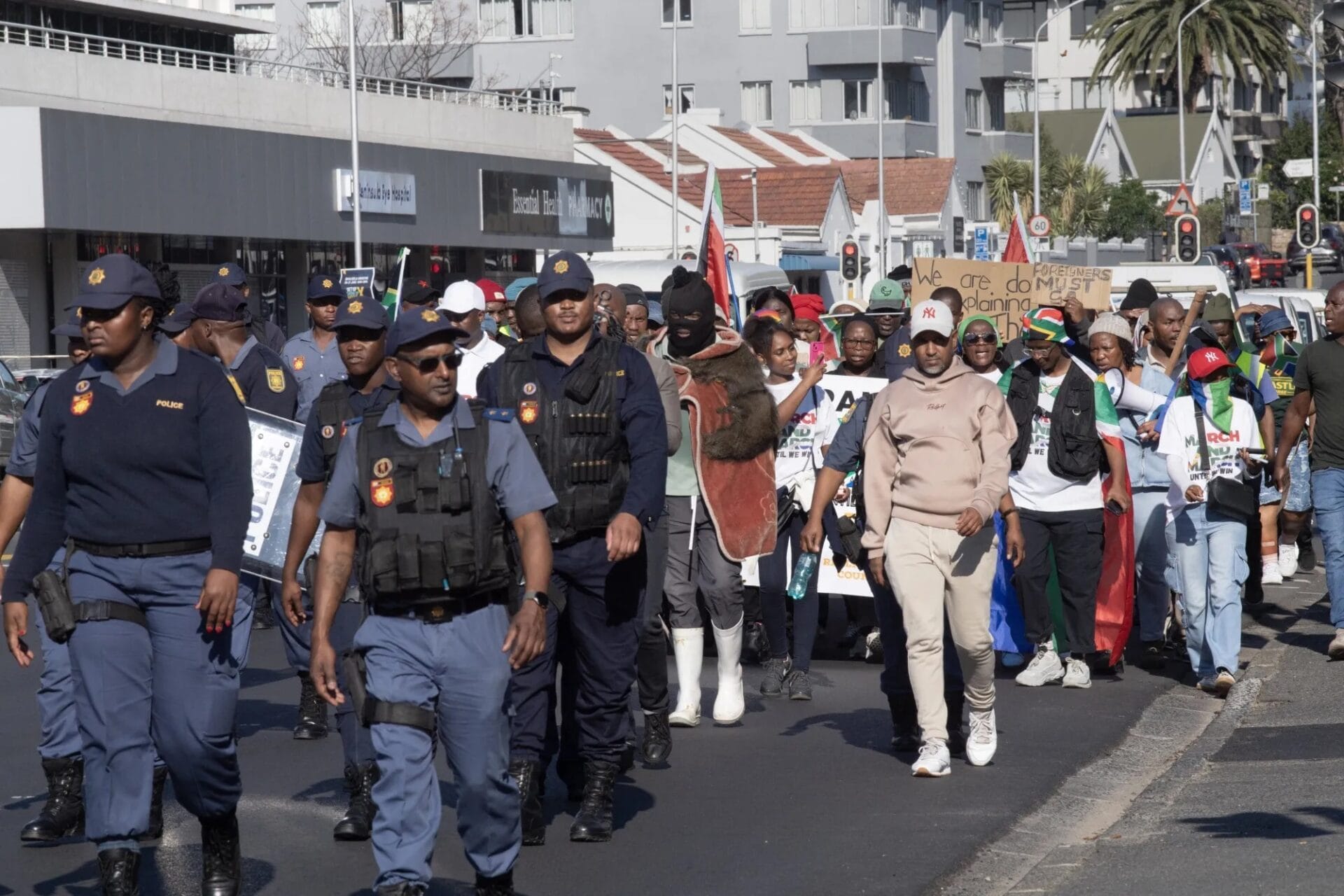
As anti-migrant sentiment rises in South Africa, Malawian John Allen packed a bag with clothes, bid farewell to his South African girlfriend and their one-year-old son, and set off to catch a bus out of the country.
He has been waiting in a makeshift camp in the city of Durban for four days, alongside thousands of others, all hoping to depart before June 30, an unofficial deadline established by anti-immigrant groups for all undocumented foreigners to leave.
While the government has not endorsed the deadline and denounces the violence, it has faced criticism from other African nations and civil society organizations for not effectively addressing the issue.
The reason I wish to remain is that I feel concern for my child. He is too young. “When I’m gone, who’s going to support him?” said Allen, 30.
The child’s mother, a South African, earns approximately 500 rand ($30) weekly as a cleaner. In contrast, Allen, despite being undocumented, had been making four times that amount through contract work for a manufacturing company.
As anti-immigrant protests intensified in recent weeks, he reported that several foreigners in his neighborhood were assaulted, and now nearly everyone has departed. “There are two options: I can lose my life or I can leave,” he shared with Reuters, standing alongside other men amidst heaps of luggage, waiting for a bus.
Migrants continue to desperately seek ways to escape.
On Monday, hundreds of individuals continued to gather at the vast empty lot in Durban, where Malawians sought refuge in anticipation of the protests scheduled for Tuesday to commemorate the deadline.
While they claim to focus solely on illegal immigrants, the vigilantes frequently show no discernment, resulting in attacks on many migrants with completely legal status and instances of property destruction.
Women and babies gathered closely, sitting on cardboard or blankets, as aid groups distributed food and clothing. Some individuals have been present for a week, patiently awaiting their turn, as buses leave one after another.
The Department of Home Affairs has established a tent for processing individuals for deportation. Currently, authorities are prioritizing the relocation of these individuals from Durban to a border post in Musina in anticipation of protests, which many fear may escalate into violence, as has occurred in previous instances.
No one here was willing to take the chance of remaining in South Africa past the deadline. Many expressed their fear of potentially being killed.
Amadou Awali appeared forlorn as he raised his phone to display a picture of a young child. He is leaving two young sons behind, and their mother lacks the resources to support them, he expressed. “I’m concerned for the children,” said Awali, who has been working in plumbing and construction in South Africa since 2019.
He intends to wait a few months before returning.