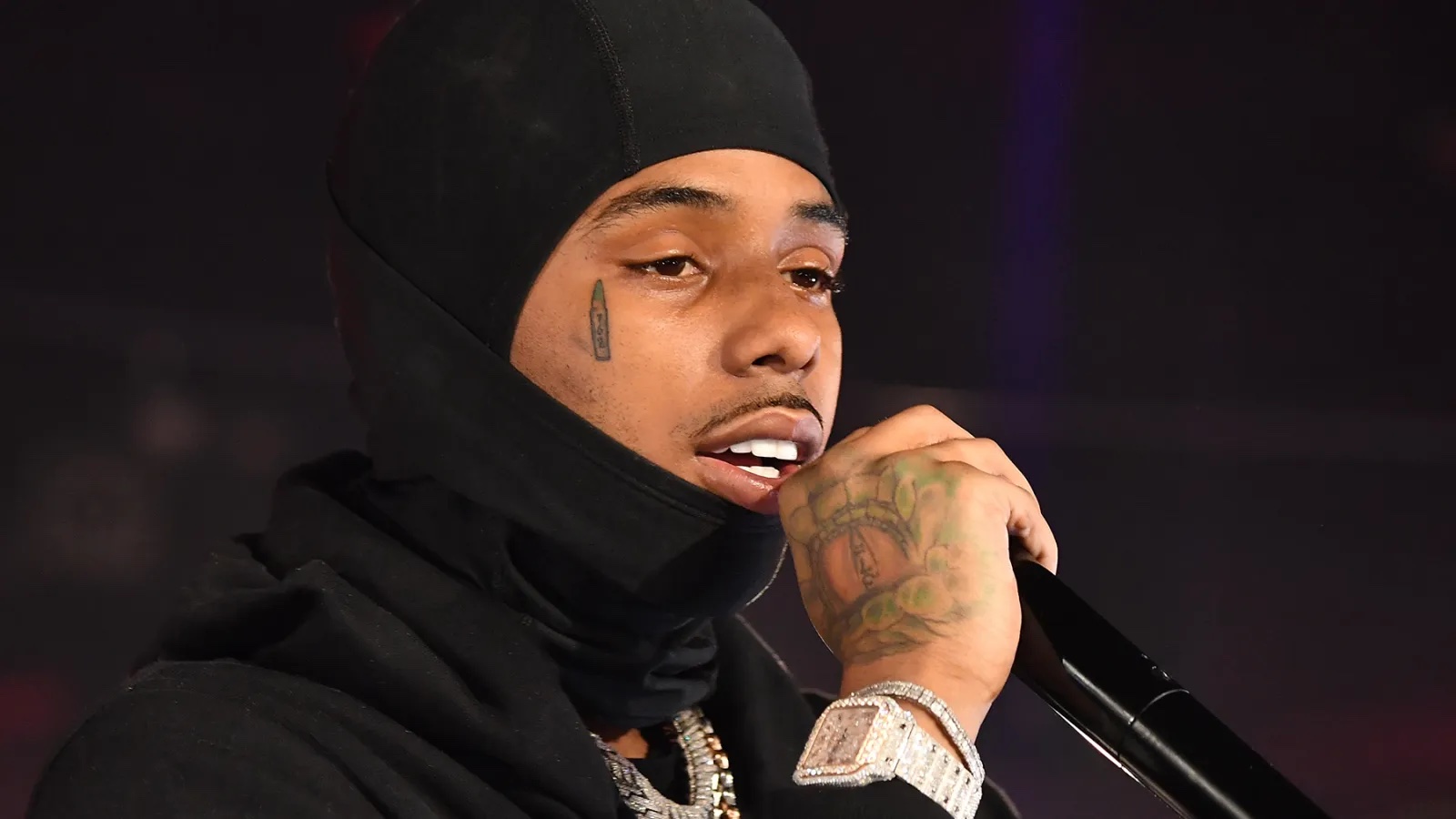
Prosecutors assert that the purported documentation extended beyond merely departing from Gucci Mane’s label. It centered on ownership, leverage, and the control of the next move.
The Pooh Shiesty federal case is now serving as an insightful exploration of the dynamics within the music business. The paperwork at the center of the case was more than just a straightforward request to leave 1017 Records. Prosecutors assert that it targeted the very assets that artists strive for years to manage: masters, intellectual property, and approval rights.
Prosecutors assert that the purported release form would have allowed Shiesty to promptly end his agreement with 1017 Records, free him from all responsibilities tied to that agreement, and grant him ownership of his masters and intellectual property. The paperwork reportedly sought to transfer 1017’s approval rights with Atlantic Records directly to Shiesty at his “sole discretion,” as stated by Complex.
In simpler terms, that means “release me, allow me to retain the most important aspects, and let me determine the next steps.”
Masters are significant as they represent the original sound recordings that underpin streams, licensing agreements, sync deals, catalog sales, and enduring revenue in the music industry. Intellectual property encompasses rights associated with creative works. Approval rights are significant as they determine who has the authority to approve releases, new deals, or label changes. Had the purported contract been fulfilled, it might have redirected significant business influence from 1017 to Shiesty.
Prosecutors are not portraying the case as a typical artist-label disagreement that has turned negative. The Justice Department reports that nine individuals have been federally charged following allegations that victims were kidnapped and robbed at gunpoint within a Dallas music studio, where they had come under the impression they were attending a business meeting.
Court documents identify one victim by the initials R.D., who is the owner of 1017 Records. AP reports that Gucci Mane’s legal name is Radric Delantic Davis, while mentioning that prosecutors have opted to use initials instead of publicly identifying victims in the filing.
Prosecutors claim that when R.D. refused to sign the release, Shiesty became upset, brandished what seemed to be a black AK-style pistol, and insisted that the paperwork be signed. The indictment further asserts that R.D. was captured on tape being compelled to state that he “released” Shiesty from the contract.
That is why the document is important. The purported robbery’s connection to business leverage is crucial to the motive, intent, and the government’s case.
Someone referred to as a “victim and survivor” requested that Shiesty stay incarcerated, stating, “His actions demonstrate a lack of concern for the safety and well-being of others.” The letter went on to state, “These alleged crimes occurred while he was already under government-monitored release, which raises significant concerns for me regarding what would stop him from inflicting further harm if given another chance.”
Shiesty, whose legal name is Lontrell Williams Jr., has not been found guilty in this case. His trial has been rescheduled to February 2027 due to the complexity of the case and the extensive discovery file. Until a court rules differently, he and the other defendants are considered innocent.