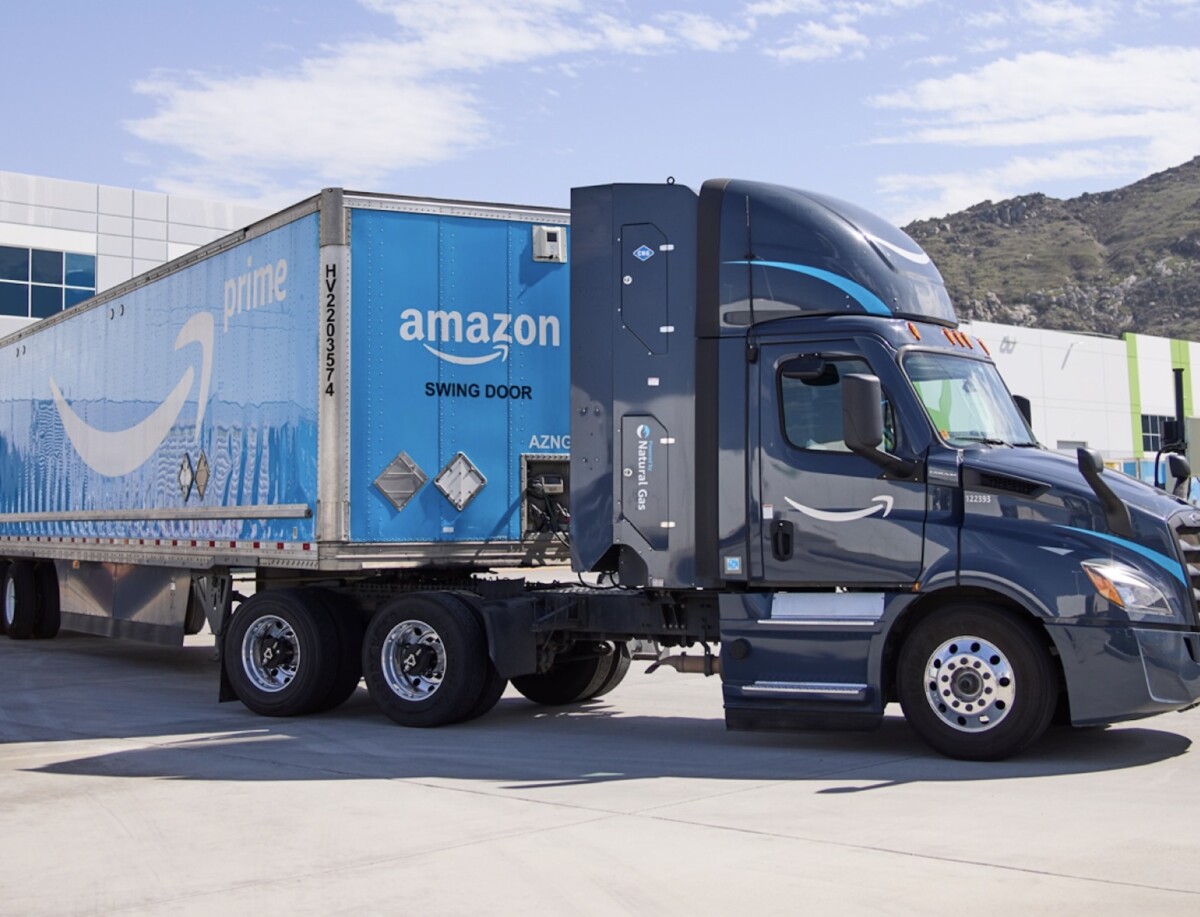
Amazon is preparing to reveal one of its most powerful assets to the public, and business owners should pay attention.
The company has recently introduced Amazon Supply Chain Services, providing businesses of all sizes with access to the logistics network that has fueled its global success. It encompasses freight, warehousing, fulfillment, and delivery, all integrated within a single system.
For years, Amazon has meticulously developed an infrastructure aimed at delivering products more swiftly and efficiently than its rivals. Currently, it is providing that system to all users, not solely to sellers on its platform.
“Amazon is delivering the infrastructure, intelligence, and scale of its supply chain services—honed over decades—to businesses everywhere, similar to what Amazon Web Services achieved for cloud computing,” stated Peter Larsen, vice president of Amazon Supply Chain Services. “At Amazon, supply chain was not merely a function; it was fundamental to delivering an outstanding shopping experience.” What sets us apart. We were able to provide swift and reliable delivery that no one else could match. With ASCS, we can offer other businesses the same cost efficiency, reliability, and speed we provide Amazon customers.
Leading brands are already engaging. Procter & Gamble, 3M, Lands’ End, and American Eagle Outfitters are leveraging the network to transport goods, place inventory nearer to customers, and enhance delivery efficiency.
The implications for business owners are significant. This action has the potential to streamline logistics management, reduce operational expenses, and enhance delivery efficiency across various sales channels. It also equalizes opportunities, providing smaller brands with access to enterprise-level infrastructure that was once unattainable, which can help them compete more effectively against larger competitors in the market.
However, there is another perspective to consider. Relying on Amazon’s system may result in increased dependence on a company that is already a major player in retail and logistics.
One founder remarked, “Amazon has enhanced value at every stage of our supply chain, from cross-border logistics to warehouse storage and parcel shipping…” We have successfully saved money, reduced operational complexity, and gained more time to concentrate on what truly matters: developing our brand. Truly, Finer Form owes its existence to Amazon.
The infrastructure is now accessible to all. Now the question is, who is ready to engage?