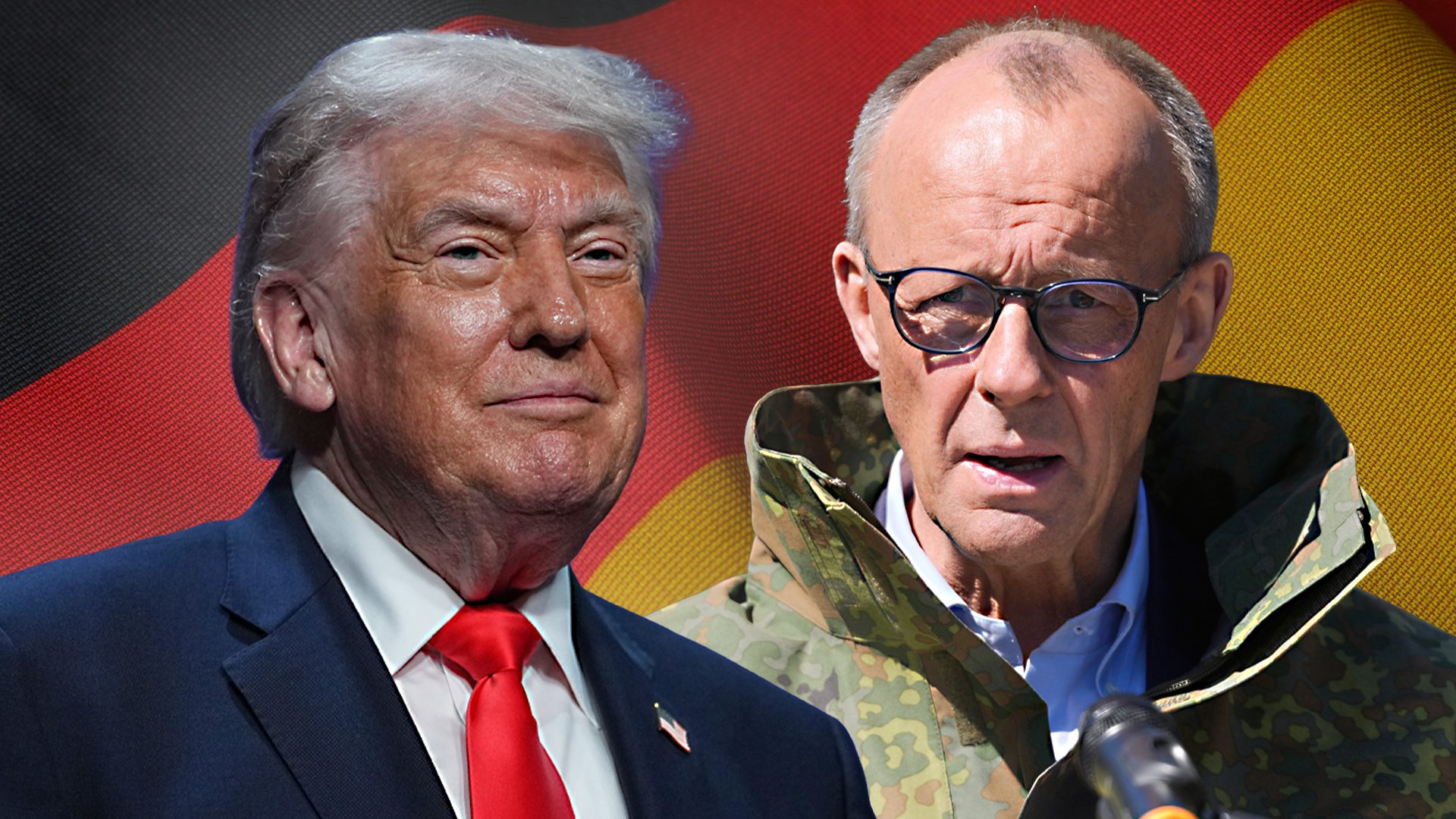
Chancellor Friedrich Merz commemorates one year in office as Germany-US relations encounter a growing divide concerning trade and security.
Chancellor Friedrich Merz is commemorating one year in office amid the most significant tension in US-Germany relations in decades, following President Donald Trump’s announcement of substantial new tariffs on European cars and intentions to withdraw thousands of American troops from Germany.
Merz stated this week that “public doubts are growing,” as his coalition faces increasing pressure both domestically and internationally, while cautioning that Europe’s dependence on the United States can no longer be assumed.
The United States has proposed a 25% tariff on imports of European automobiles and plans to withdraw at least 5,000 troops from Germany, reflecting a comprehensive reevaluation of its military presence in Europe. The decisions have raised concerns among German officials and industry leaders, especially within the nation’s ailing automotive sector.
Currently, there are at least 40,000 US troops stationed in Germany, with significant bases like Ramstein Air Base, indicating that the planned changes represent a substantial strategic shift in transatlantic defense relations.
Finance Minister Lars Klingbeil cautioned that Germany and Europe are losing global strength, stating that “a great deal depends on Germany” amid rising geopolitical tensions and China’s growing influence.
Defence Minister Boris Pistorius minimized the short-term effects of the troop withdrawal, while recognizing worries regarding long-term deterrence and confidence in the US security commitment.
The tension was further escalated following remarks by US officials, including Vice President JD Vance, who had previously criticized European leadership at a security conference, intensifying political discord between Washington and European capitals.
Merz, who initially fostered relatively warm relations with Trump, has encountered domestic criticism regarding his communication style and has faced challenges in advancing key reforms amid ongoing coalition disagreements.
Merz has bolstered connections with European partners like France and Poland and has engaged more actively in diplomacy concerning Ukraine. However, analysts indicate that his primary challenge now resides domestically, as economic pressures mount and approval ratings decline.
European partners, including Italian Prime Minister Giorgia Meloni, are navigating increasing uncertainty as Trump’s second term reshapes established alliances and trade relationships.
Germany’s economy, already strained by recession and competition from China, now encounters further pressure from escalating energy costs and the looming threat of trade disruptions, heightening concerns about its industrial future.
Despite the friction, Merz has reaffirmed his support for the US alliance, while emphasizing the necessity for Europe to bolster its own defense and economic independence in an increasingly unstable global environment.