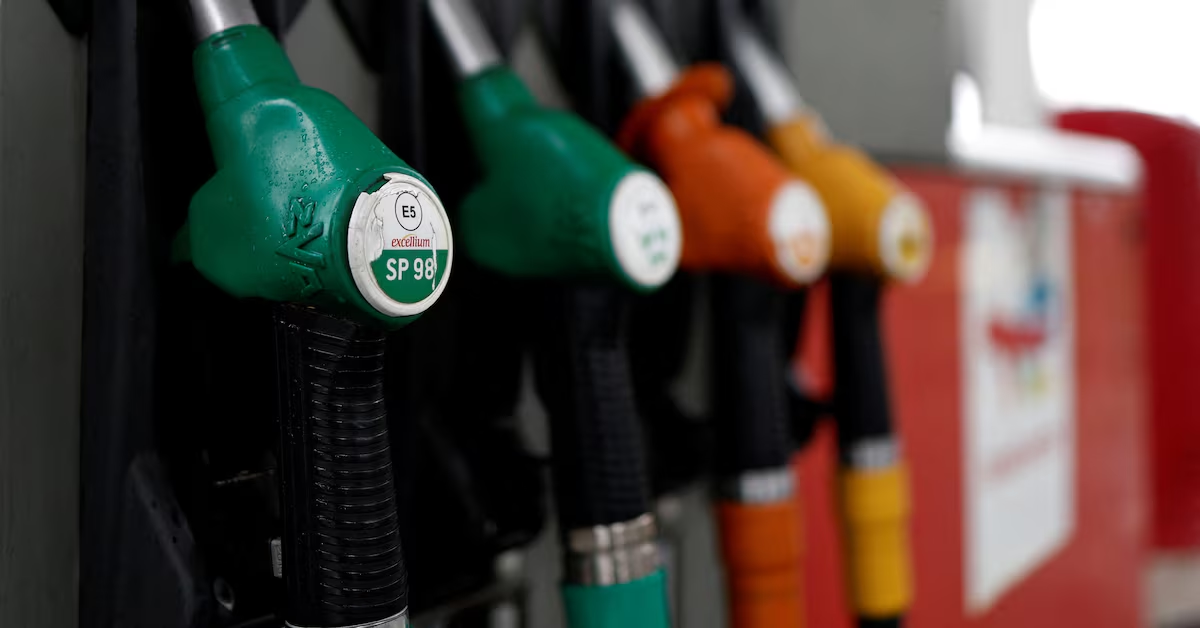
Inflation in the Eurozone has exceeded the ECB’s target, driven by an oil shock that has increased energy costs, complicating the ECB’s decisions regarding interest rates.
Inflation in the Eurozone has risen above the European Central Bank’s 2% target, as soaring energy prices, fueled by a global oil shock, elevate headline costs throughout the region.
According to Eurostat data, inflation in the 21 countries that use the euro increased to 2.5% in March, rising from 1.9% in the previous month. The rise was marginally under economists’ forecasts of 2.6%, despite a notable 4.9% surge in energy prices.
The increase has been primarily ascribed to elevated oil and gas prices, as crude prices have nearly doubled amid persistent geopolitical tensions associated with the Iran conflict. Policymakers are currently assessing the possibility of integrating the shock into broader inflation patterns.
Nonetheless, there were indications that underlying inflation was beginning to ease. Core inflation, excluding the fluctuating prices of food and energy, decreased to 2.3% from 2.4%, indicating a slight easing in domestic price pressures.
Economists indicate that the data offers a varied outlook for the European Central Bank, which is considering the duration for which to uphold current interest rates. Some caution that ongoing energy inflation might extend to wages and services, while others contend that the impact could be short-lived if supply pressures diminish.
Even with the deceleration in core inflation, analysts warn that ongoing energy shocks could disrupt price expectations, particularly if companies start transferring increased costs to consumers.
Financial markets are progressively factoring in the likelihood of additional rate hikes this year, although ECB policymakers continue to have differing views on the timing and need for stricter policy.
The central bank is anticipated to keep a close watch on inflation trends in its forthcoming meetings while weighing growth risks against ongoing price pressures.