Crisis Group, Fola Adeola, Carl Bildt, and other prominent global figures advocate for a Hormuz transit plan to protect food supply chains.
The International Crisis Group has advocated for the establishment of a Hormuz transit initiative aimed at safeguarding global food security.
On Monday, the group issued a press statement cautioning that interruptions to maritime traffic in the Strait of Hormuz pose a risk to global supplies of fertilizer and food-related materials.
A press statement was endorsed by notable individuals such as Fola Adeola, founder and chairman of FATE Foundation; Gérard Araud, former ambassador of France to the United States; Carl Bildt, former prime minister and foreign minister of Sweden; Maria Livanos Cattaui, board member of Open Society Foundations and former secretary-general of the International Chamber of Commerce; and Helen Clark, former prime minister of New Zealand and former head of UNDP, who have advocated for the establishment of a Hormuz transit initiative to safeguard global food security.
Among those mentioned are Miriam Coronel-Ferrer, who served as a senior mediation adviser to the United Nations; Nathalie Delapalme, the executive director and board member of the Mo Ibrahim Foundation; Maria Fernanda Espinosa, who held the position of president during the 73rd session of the UN General Assembly; Gareth Evans, a former foreign affairs minister of Australia; Sigmar Gabriel, who was the vice-chancellor of Germany; Ralph Gonsalves, a former prime minister of Saint Vincent and the Grenadines; and Arancha González Laya, the dean of the Paris School of International Affairs and a former Spanish foreign minister.
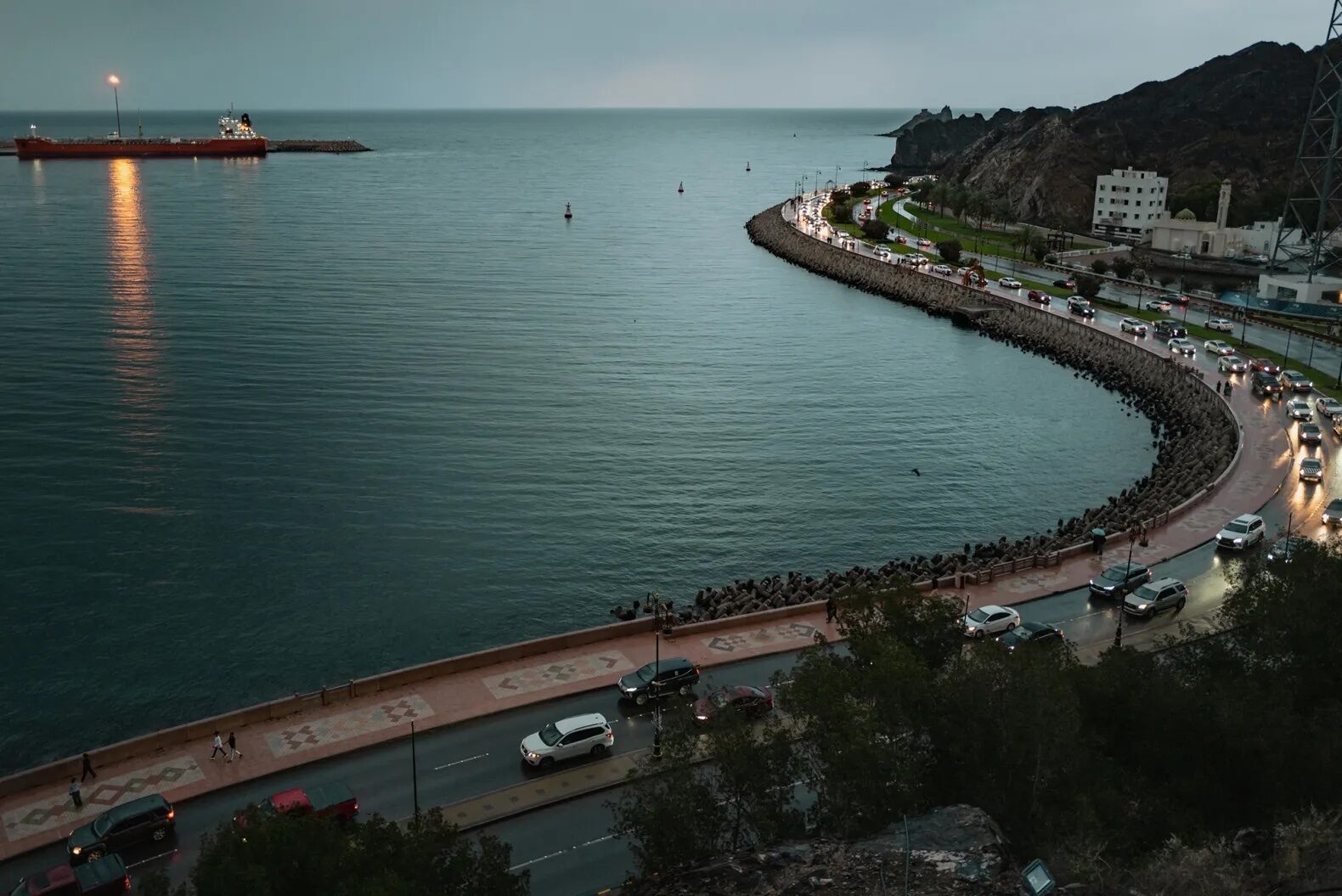
The statement highlighted that the current Middle East conflict has restricted shipments via the strategic waterway, which manages a considerable portion of the global fertilizer trade.
It warned that the effects would be particularly harsh for smallholder farmers in developing nations, where fertilizer costs represent a significant share of production expenses, which could result in decreased planting and exacerbated food shortages.
The group proposed a focused initiative inspired by the 2022 Black Sea Grain Deal, which facilitated the secure export of agricultural commodities amid the Russia-Ukraine conflict, to tackle the increasing risk.
The statement suggests that a comparable mechanism in the Gulf could guarantee the continuous flow of fertilizer, food, and related materials through the Strait of Hormuz without the need for a wider resolution of the conflict.
The statement expressed approval of the United Nations’ initiative to create a task force aimed at tackling disruptions in maritime trade and investigating ways to ensure the safe passage of essential goods.
The proposed initiative should concentrate on practical, well-defined objectives, integrating diplomatic, maritime, and humanitarian expertise to sustain supply chains.
The group stated that this framework has the potential to stabilize global markets, enhance food security, and mitigate the wider humanitarian and economic effects of the conflict.
In emphasizing the necessity for a ceasefire, it highlighted the pressing need for prompt actions to alleviate the consequences of ongoing conflicts.