Ontario has suspended its anti-tariff advertisement in the US in response to Trump’s reaction, with the intention of rejuvenating stalled trade discussions and alleviating tensions.
Ontario Premier Doug Ford announced on Friday that his province will halt its contentious anti-tariff advertisement campaign in the United States, in light of President Donald Trump’s sudden end to trade negotiations. The television advertisement, which previously aired over the weekend during the Major League Baseball World Series, will be put on hold beginning Monday to facilitate the continuation of negotiations.
The advertisement, backed by the Ontario government, showcased segments from a speech delivered by former President Ronald Reagan in 1987, cautioning that tariffs “hurt every American.” Trump labeled the advertisement as “FAKE” and “egregious” on Truth Social, expressing concerns regarding the selective use of Reagan’s audio and video. The Reagan Foundation criticized the advertisement for misrepresenting the former president’s message, pointing out that Ontario had not obtained permission to use the material.
Ford defended the campaign, stating that it aimed to “initiate a conversation about the kind of economy that Americans want to build” and to emphasize the effects of US tariffs on Ontario industries. He stated, “We’ve accomplished our objective, having engaged US audiences at the highest levels.”
The advertisement ignited discussions in Canada regarding Ford’s confrontational strategy, as the nation continues to be the sole G7 member without a trade agreement with the US following Trump’s implementation of tariffs. Ontario, recognized as Canada’s automobile manufacturing center, has been notably impacted by industry-specific tariffs, which include a 50% levy on metals and a 25% levy on automobiles.
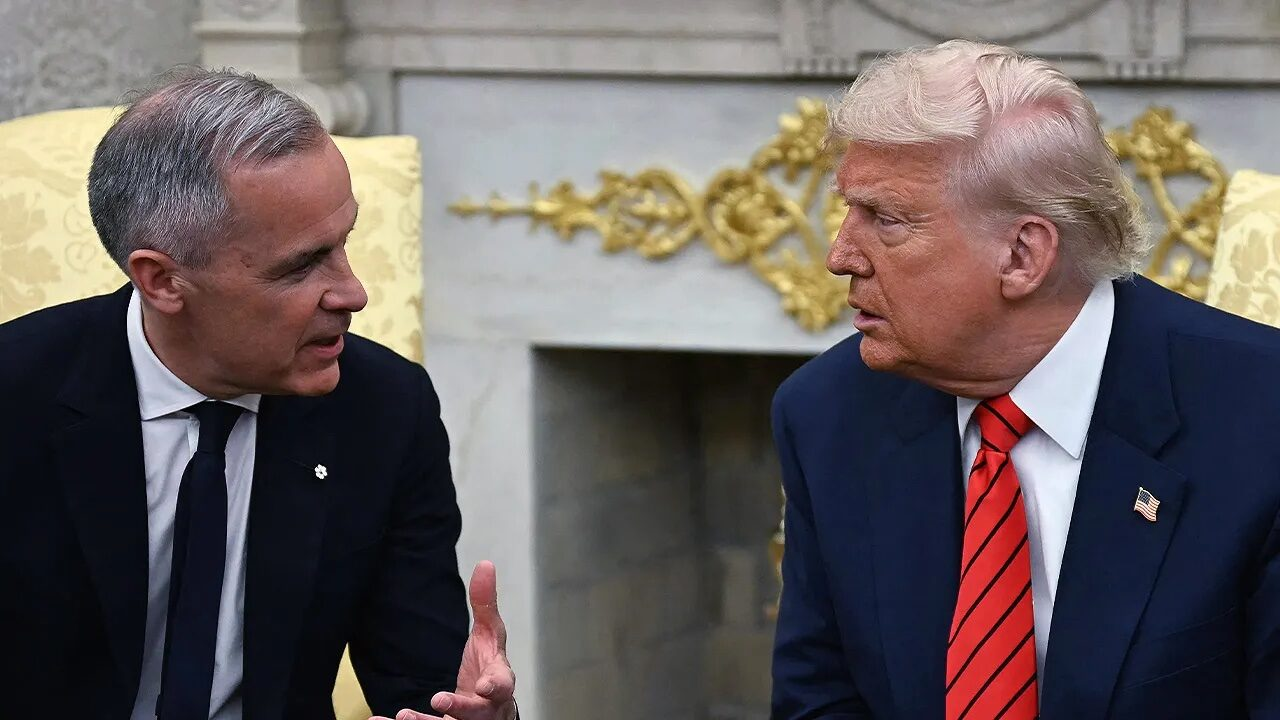
Canada’s Prime Minister Mark Carney has preferred diplomatic, face-to-face negotiations, whereas Ford’s approach has involved assertive actions like removing US liquor from Ontario shelves and threatening to cut energy exports. Ford’s advertising campaign, initiated following Stellantis’s announcement regarding the relocation of production from Brampton, Ontario, attracted criticism from Trump and added complexity to the ongoing negotiations.
Experts indicate that the timing and tone of the ad resulted in a “unnecessary distraction,” although Ford’s commitment to safeguarding local industries is evident. The resumption of trade talks remains uncertain, as Trump has yet to respond to Ontario’s decision to pause the campaign.
Carney remains committed to fostering a positive dialogue, demonstrating flexibility by eliminating retaliatory tariffs and rescinding Canada’s digital services tax, while also seeking to expand economic partnerships in Asia. Analysts caution that achieving a stable trade deal with the US will continue to be difficult, irrespective of the negotiation approach, as Canada’s significant dependence on its southern neighbor poses a potential risk.