US Commits to Ongoing Iran Blockade, Intensifies Economic Pressure Amid Stalled Ceasefire Negotiations
The US asserts its capability to sustain the naval blockade of Iran indefinitely while vowing to implement stricter economic measures as ceasefire discussions stall.
The United States has stated that it can sustain its naval blockade of Iran indefinitely and apply additional economic pressure on Tehran as ceasefire discussions falter and global oil supplies diminish.
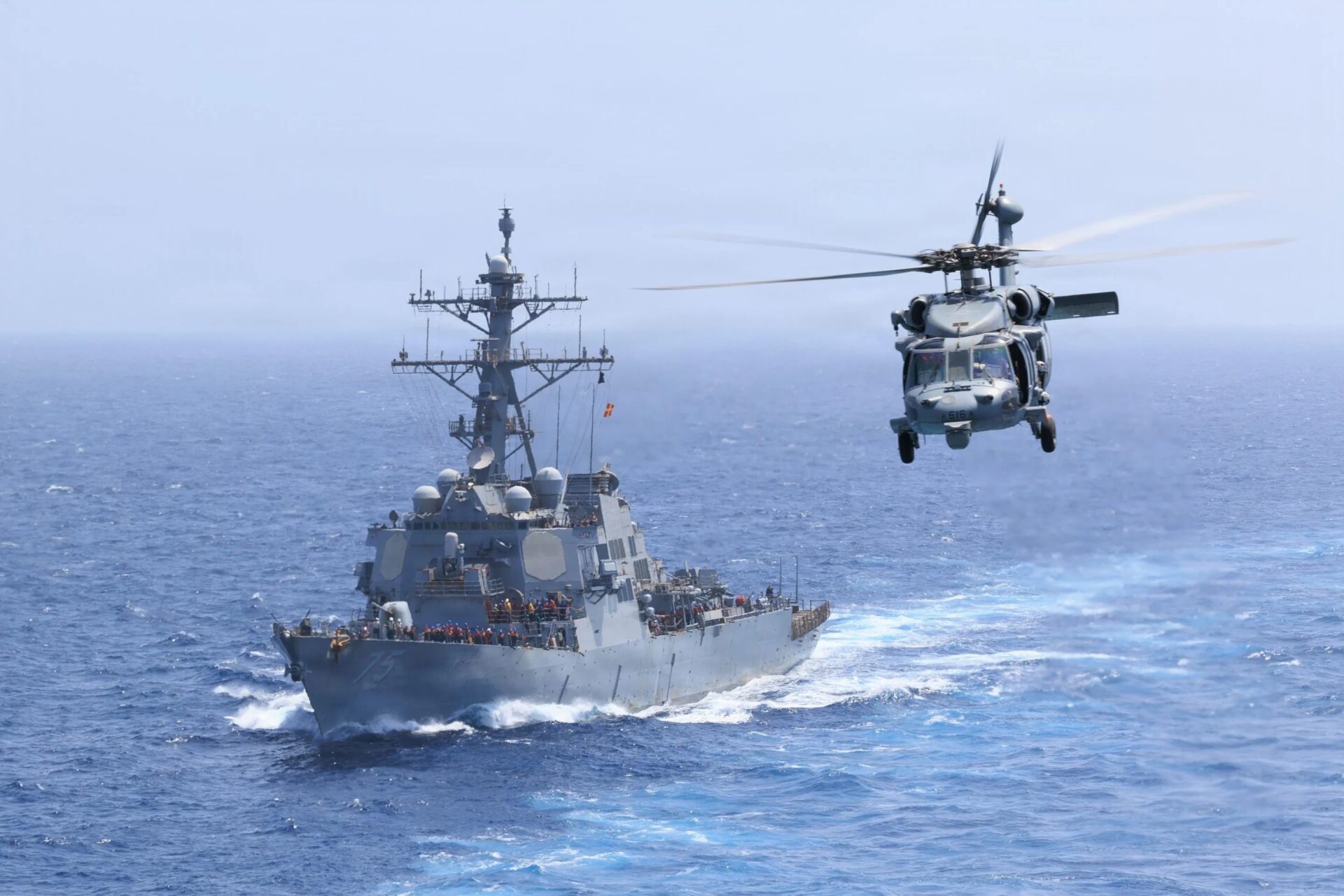
US Defense Secretary Pete Hegseth stated that the US military possesses the capability to sustain a naval presence in the region to uphold the blockade, which has inflicted significant economic harm on Iran.
“The United States Navy can sustain a blockade like that indefinitely by rotating ships in and out, as we have been doing, and we will continue to do so,” Hegseth stated to reporters during a visit to Panama.
US Treasury Secretary Scott Bessent also stated that Washington intended to impose additional financial harm on Iran.
“Watch this space for more announcements coming next week, as we are set to implement measures unprecedented in the history of economic isolation in a country,” he stated during an interview on Newsmax’s “Rob Schmitt Tonight” program.
A tentative agreement reached in June to conclude the war has collapsed, as Iran has attempted to exert pressure on Washington by limiting access to the Strait of Hormuz.
Iran has targeted several vessels trying to navigate the strategic waterway, which was responsible for the passage of approximately one-fifth of the world’s oil and liquefied natural gas prior to the onset of the war in February.
On Thursday evening, two vessels owned by the state-run Abu Dhabi National Oil Company were attacked while navigating the strait, according to a report from the UAE state news agency WAM. The UAE government denounced the incident as an attack by Iran.
US President Donald Trump is encountering domestic pressure to conclude the war, which has shown to be unpopular, while elevated fuel prices have impacted his approval ratings and may jeopardize his party’s control of Congress in the upcoming midterm elections in November.
Trump has consistently asserted that the US possesses “total control” over the strait, a statement that Iran has dismissed.
Tehran has stated that it will not permit the waterway to reopen until it fulfills its conditions. These involve the lifting of economic sanctions and the unfreezing of Iranian assets.
On Tuesday, shipping traffic through the Strait of Hormuz decreased to eight vessels, in contrast to a 10-day average of approximately 12 and a range of 130 to 140 vessels prior to the war.
The US temporarily lifted its blockade of Iranian shipping and ports for a month in mid-June but subsequently reinstated it. The action has severed Tehran’s primary source of hard currency and compounded losses resulting from wartime attacks on its energy infrastructure.
Washington had earlier indicated that it would remove the blockade once Iran and Oman, located on opposite sides of the strait, came to an agreement to resume commercial shipping.
Trump has consistently issued threats of additional military strikes and pledged to “hit Iran hard.” However, he has thus far refrained from deploying ground troops, capturing strategic islands, or bombing desalination plants.
Earlier this week, Trump indicated that he would prefer to use economic measures instead of military action.
The US has imposed stricter economic sanctions on Iran and on individuals and entities it claims are assisting Tehran in acquiring weapons. Nevertheless, the pressure campaign has not succeeded in encouraging Iran to return to the negotiating table.
The economic impact is being experienced worldwide.
The International Energy Agency announced on Wednesday that global oil supply is projected to decrease by 4.3 million barrels per day, which is approximately 4%, this year.
That figure exceeds the agency’s previous forecast of a 3.7 million-barrel-per-day decline made only a month prior.
Oil prices declined by over 2% on Thursday following a week of increases, as investors turned their attention to diminished global demand and a significant rise in US crude inventories.
Reports indicated that Yemen’s Iran-backed Houthis targeted a Saudi Aramco refinery with drones, unsettling markets and reigniting concerns about a broader regional conflict.
Global economists have cautioned that the ongoing war may lead to a significant deceleration in global growth and potentially drive certain economies into recession if it persists.
Hegseth refrained from commenting when questioned about the potential mistake of declaring a ceasefire in April.
The move concluded the intense bombing of Iran in return for peace negotiations, which have ultimately not succeeded in resolving the conflict.
“I will not be making any comments on that.” “We are taking all necessary measures to guarantee that Iran will never possess a nuclear weapon,” Hegseth stated.