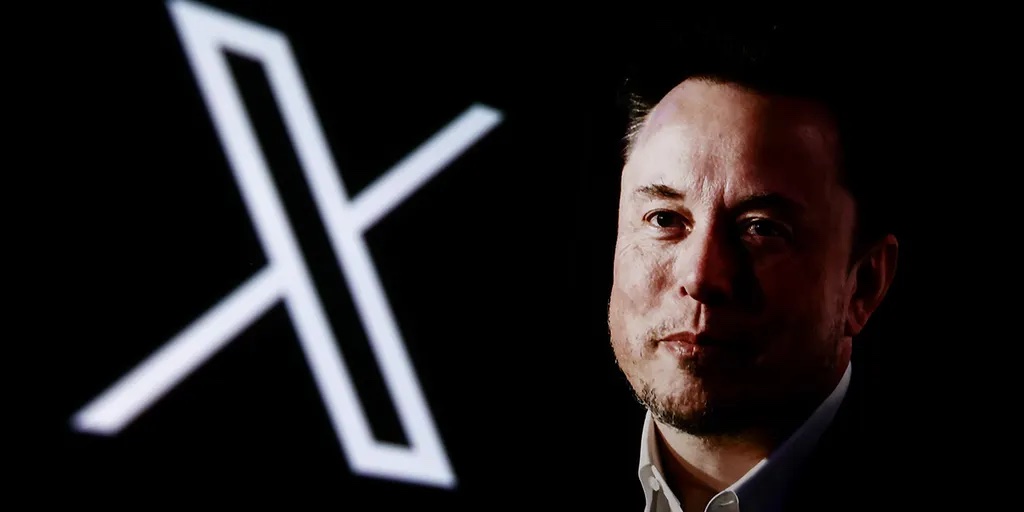
Elon’s X asserts that Australia’s social media enforcement plans are at odds with international law and pose risks to privacy, fairness, and digital services on a global scale.
Elon Musk’s social media platform X has claimed that Australia is pursuing overly broad regulatory powers that are at odds with international law through its proposed measures aimed at reinforcing the ban on social media access for children under 16.
Australia implemented a groundbreaking law in December that prohibits children under 16 from having social media accounts, which has faced criticism from several prominent technology companies based in the US.
In a submission to an Australian Senate committee, published on Tuesday, X stated that the proposed changes did not adequately consider procedural fairness, privacy, the wider effects on online services, and Australia’s digital economy.
The company opposed proposals that would enhance the authority of the eSafety Commissioner to mandate the submission of documents and raise the maximum penalty for non-compliance to A$99 million.
X stated that the proposals would “compel any person outside Australia … to provide information and documents merely because they are ‘affiliated’ with a company,” further noting that the measure was “in clear conflict” with international legal principles.
The company also contended that the amendment “raises potential for a severe impact on international comity,” alluding to the principle of respecting the legal systems of other nations.
The dispute has gained international significance following a request from a US congressional committee for Australia’s eSafety Commissioner to testify, alleging that the regulator is jeopardizing the free speech rights of Americans.
Musk has previously criticized the Australian law, calling it a “backdoor way to control access to the internet for all Australians.”
Data released by eSafety and various studies since the law took effect indicate that a majority of Australians under the age of 16 continue to maintain social media accounts.
The eSafety Commissioner has indicated that it is gearing up for a potential enforcement lawsuit against five platforms, although it faces challenges due to restricted investigative powers.
The regulator informed the Senate committee that its existing power to mandate document submission is less robust than that of numerous other regulators, making it reliant on “representations from providers regarding their compliance.
It also noted that it does not have the authority to compel documents from third-party age assurance providers employed by social media companies, resulting in “significant” obstacles to investigations.
DIGI, an industry group representing various technology platforms, informed the inquiry that eSafety possesses significant enforcement powers that have yet to be thoroughly evaluated. It also requested more clarity regarding which parties may be obligated to produce documents.
Google’s YouTube and TikTok stated in separate submissions that there is currently no reliable method for identifying and blocking underage users.
Australia’s Parliament has not yet approved the proposed enforcement measures. The Senate committee is anticipated to unveil its findings on August 25 following the conclusion of public hearings.