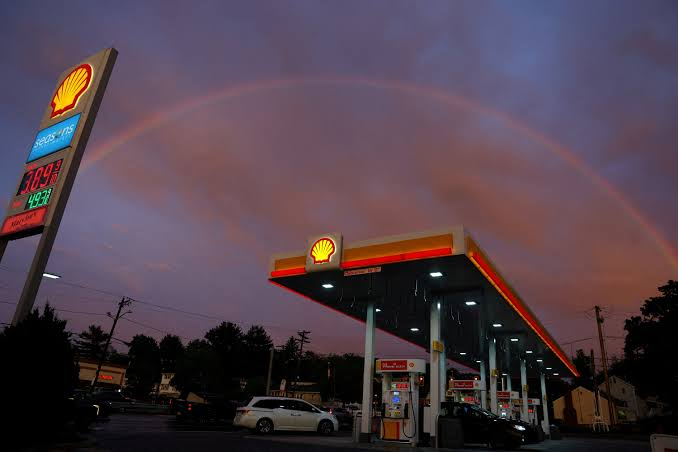
Egypt is negotiating with major energy companies such as Shell, TotalEnergies, and BP to acquire 15 to 18 cargoes of liquefied natural gas each month for a minimum of three years, according to three trading and industry sources who spoke to Reuters.
The discussions arise as Egypt’s domestic production faces challenges in meeting the growing demand, while global LNG markets continue to be constrained due to the Iran conflict, which has disrupted shipping through the Strait of Hormuz and heightened competition among buyers aiming to secure supplies.
Two of the sources indicated that discussions are continuing with companies such as Shell, TotalEnergies, BP, and commodities trader Hartree Partners.
A third source mentioned that there is a strong desire to collaborate with Americans.
According to the sources, the deals may last between three and five years, but they have not yet been finalized.
Egypt’s petroleum ministry, along with Shell, TotalEnergies, and BP, did not provide an immediate response to a request for comment from Reuters. Hartree Partners chose not to provide a comment.
COST OF EGYPTIAN NATURAL GAS IMPORTS INCREASES SIGNIFICANTLY
Despite the U.S.-Israeli war with Iran, Egypt’s economy has maintained general stability; however, energy imports have significantly increased.
Egypt’s natural gas import bill has seen a significant increase, soaring from approximately $560 million prior to the conflict to around $1.65 billion for the same volumes in March.
The recent import agreements may impose an annual cost of between $8 billion and $11 billion on the most populous Arab nation, according to calculations by Reuters, which are based on recent deals priced at approximately $1.5 above the TTF, the European gas price benchmark.
This presents an extra challenge for the government, which is already dealing with significant debt that consumes most of its budget, alongside a national currency that is struggling to maintain stability since the onset of the regional conflict.
Every dollar allocated to LNG and fuel imports is a dollar that cannot be used for budget expenditures, investments, or the accumulation of reserves.
Egypt is currently engaged in negotiations for medium-term LNG supply while also expanding existing and planned pipeline gas agreements. These actions demonstrate a commitment to minimizing reliance on the unpredictable spot market, especially in light of ongoing geopolitical uncertainties,” stated Aly Blakeway, head of Atlantic LNG at S&P Global Energy.
Blakeway noted that this uncertainty encompasses the Russia-Ukraine conflict as well as tensions between the U.S. and Iran.
Egypt’s gas production is experiencing a decline.
Egypt imported a total of 985 billion cubic feet of gas between July 2025 and June 2026, which included shipments from Israel and other LNG cargoes.
Reuters reviewed official documents that project imports to reach 1,081 billion cubic feet between July 2026 and June 2027.
The increased imports indicate an ongoing decrease in natural gas production, despite numerous commitments and the settlement of foreign companies’ debts.
Monthly production averaged less than 4.4 billion cubic feet per day in fiscal year 2025-26 and is anticipated to decrease further to 4.2 billion cubic feet per day in the current fiscal year.