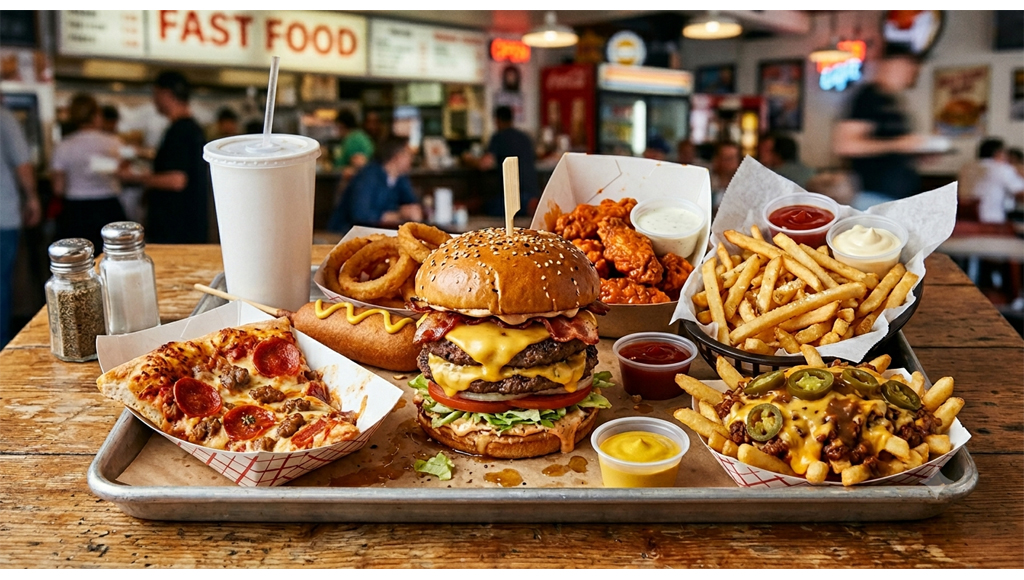
Sri Lanka doesn’t allow fast food in schools to fight the rising rates of youth obesity and diseases linked to poor diet.
Sri Lanka has started to ban fast food, sugary snacks, and other unhealthy foods from all schools across the country. This is because the government wants to stop the rising number of overweight and obese children and prevent diseases linked to poor diet.
Health officials began enforcing the policy in all of the country’s schools on Tuesday, according to new rules released by the Ministry of Education. These schools serve about four million children.
According to the order, schools can’t serve foods and drinks that are thought to be high in sugar, salt, and fat. Many foods that kids like to eat are banned, like burgers, hot dogs, pizza, doughnuts, ice cream, cookies, sweets, deep-fried snacks, flavored milk, energy drinks, and sauces like tomato sauce.
The ministry gave an explanation for the decision and said that bad eating habits in kids are making nutritional problems worse and putting them at major health risks later on.
According to the ministry, kids who don’t eat well are making nutrition problems worse and raising their chances of getting noncommunicable diseases like cancer, diabetes, and heart disease as adults.
Statistics from the government show that the worry is growing. According to information provided by the government, 12% of Sri Lankan children between the ages of 13 and 17 were overweight in 2024, and another 3% were obese.
To help people switch to healthier meals, the ministry told schools to provide healthier options.
Schools have been told to support foods that are better for you, like rice, fruits, vegetables, fish, meat, eggs, fresh milk, and natural fruit juices.
To help schools meet the new standards, the government also sent out recipes for healthy meals that could be made with items that were easy to find in the area.
To protect students even more from ads for unhealthy foods, the government made it illegal for schools to accept sponsorships from businesses that sell or support unhealthy foods.
It is also against the rules for schools to let businesses that sell unhealthy foods sponsor school events.
The program comes at a time when Sri Lanka is still dealing with larger problems with children’s nutrition.
About 17% of Sri Lankan children under the age of five have stunted growth, according to UNICEF. This shows how serious the problem of undernutrition is.
At the same time, the World Bank said that in 2024, about a quarter of the country’s people were living below the poverty line. This shows how challenging it is for officials to find a balance between fighting obesity and food insecurity.