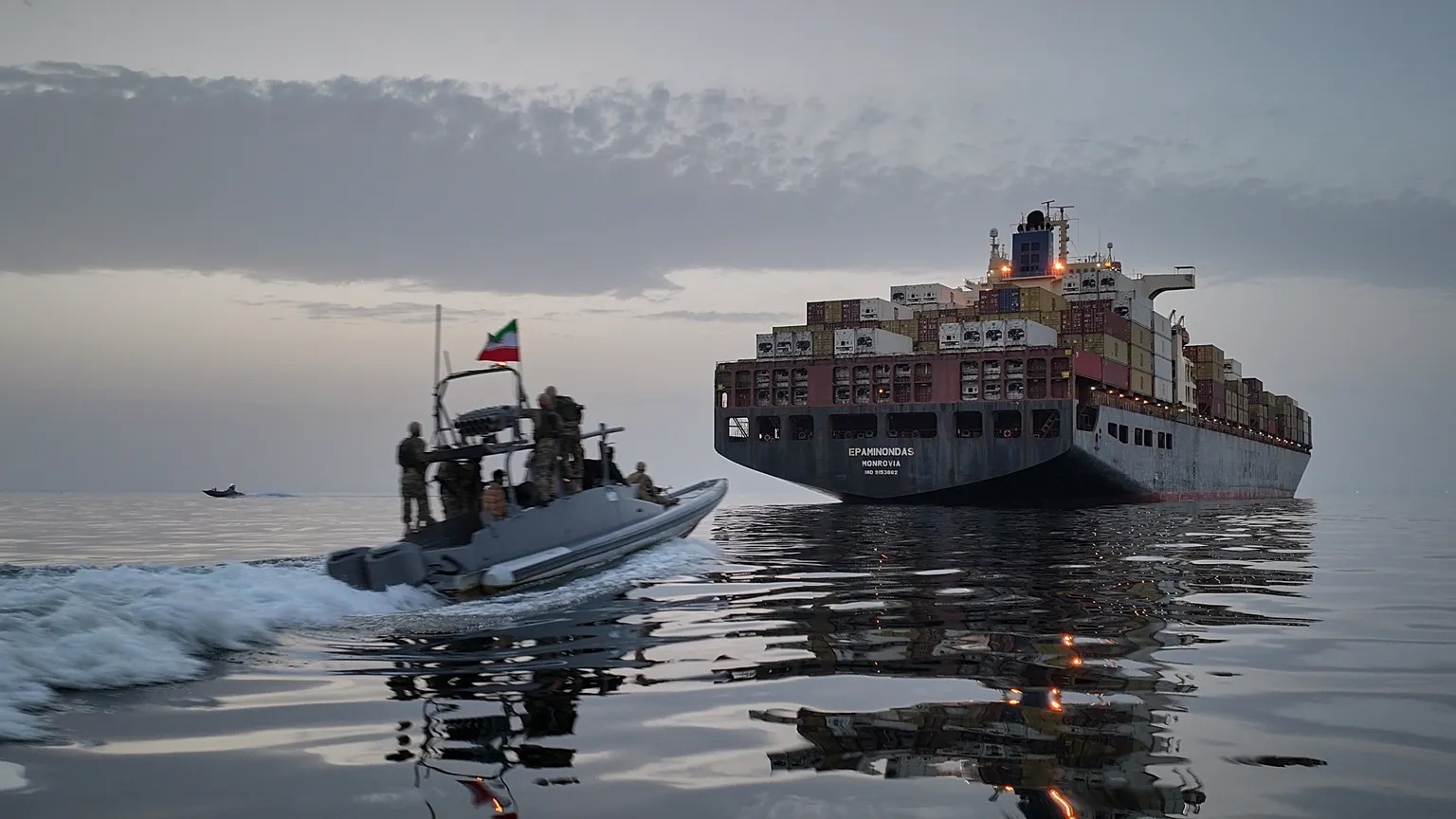
A ship attack near the Strait of Hormuz and different reports about talks made things even less clear in the diplomatic efforts between the US and Iran.
There has been a commercial ship accident near the Strait of Hormuz, and different comments from Washington and Tehran about negotiations have made it harder to predict whether the US and Iran will be able to end their months-long conflict peacefully.
The latest events on Tuesday made global energy markets less stable. As a result, oil prices rose nearly 3%, and investors lowered their hopes that the crisis would soon be over through talks.
The UK Maritime Trade Operations (UKMTO) say that an unidentified object hit a cargo ship off the coast of Oman, close to the important Strait of Hormuz. Maritime sources said the ship was a dry bulk carrier and that its crew left after the strike, with one seaman still missing.
At the same time as the maritime event, there was new disagreement over whether the US and Iran were having direct talks.
On Monday, US President Donald Trump told reporters that talks with Tehran were already going on. He said that this was Iran’s “last chance” to reach a deal. He said that Iran, Saudi Arabia, the United Arab Emirates, and Qatar had asked for talks to happen.
Officials in Iran, on the other hand, denied Trump’s claims and said there were no talks with Washington. Tehran said that the only talks going on right now were about issues related to the Strait of Hormuz with Oman and that there were no big meetings with US officials planned this week.
Masoud Pezeshkian, the president of Iran, also tried to calm people’s worries about a bigger conflict in the region by saying that Iran would continue to defend its land but had no plans to make the war bigger.
Trump’s words came after he said he had called off what he called “massive attacks” on Iran over the weekend. This is the latest in a series of threats of military action that have been followed by renewed calls for peace.
Meanwhile, shipping through the Strait of Hormuz continued to face significant challenges. Most traffic through the strategic waterway has stopped because of limits put in place by Washington on Iranian ports and ships. This affects a route that usually carries about 15% of the world’s oil and LNG exports.
Kpler shipping data showed that only six ships, three tankers and three bulk carriers, crossed the strait on Monday. This is a big drop from the normal daily traffic of over 100 ships.
After dropping about 7% to a three-week low on Monday, Brent crude prices rose again. This decline happened after analysts warned that the market’s optimism about diplomatic progress had been too early because the conflict is still unsure.
Analysts at ING said that the sharp decline in oil prices seemed too big. They pointed out that in the past, when people thought tensions would ease, unrest would return.
Regional leaders and security experts said Iran still saw the Gulf’s shipping lanes and energy infrastructure as strategic tools it could use to put more pressure on its neighbors and the world economy as a whole.
Behind the scenes, though, diplomatic work kept going. Pakistani sources confirmed that Washington and Tehran were still working on mediating to get both sides back to the negotiating table.
Even with all of these efforts, there are still significant disagreements about Iran’s nuclear program, security issues in the region, and the future of shipping through the Strait of Hormuz. This makes it difficult to see how a diplomatic solution can be found.