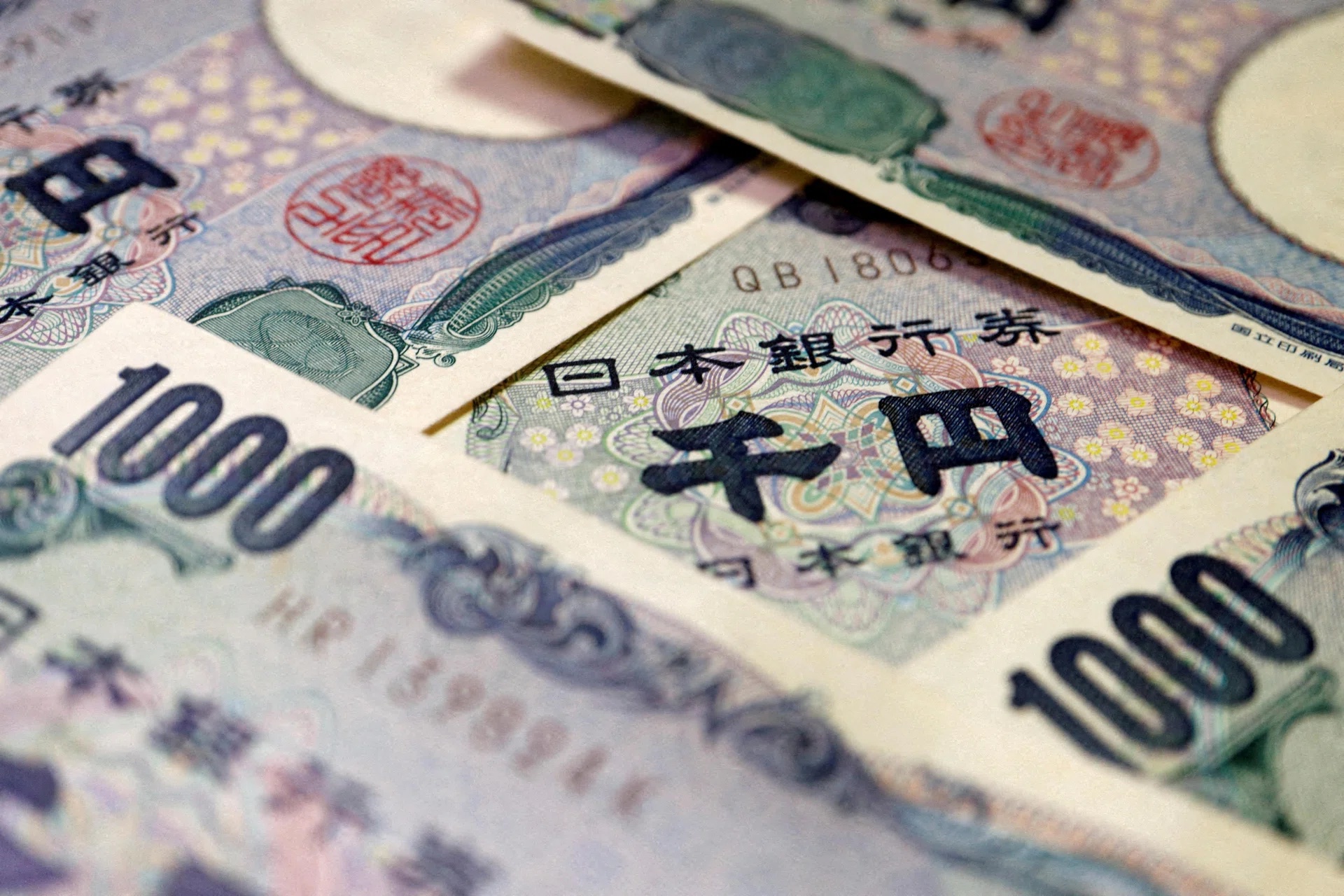
Japan is set to review its $1.3 trillion reserve fund as officials aim to enhance returns and provide support for the yen.
Japan is contemplating adjustments to the management of its $1.3 trillion foreign exchange reserves, which serve as a crucial financial buffer for supporting the yen, as indicated by a draft government growth strategy examined by Reuters.
The proposal demonstrates the government’s commitment to enhancing returns on its substantial reserve holdings while bolstering public finances, as Prime Minister Sanae Takaichi advocates for increased spending to support the world’s fourth largest economy.
“The government will look at the benefits of improving how it manages and uses assets in the public sector, including the special account of the foreign exchange fund, while keeping in mind their intended purposes,” according to the draft of the strategy, which is an important part of Takaichi’s policy plans.
The reserves act as Japan’s main resource for currency intervention and gained renewed attention after Tokyo initiated a ¥73 billion buying operation in late April when the currency fell below 160 yen per dollar.
The intervention led to a notable 5.6 percent decrease in Japan’s foreign exchange reserves in May, highlighting the difficulties of maintaining extensive market operations to bolster the currency.
While the draft strategy indicates a review of reserve management, it does not specify particular changes to the investment of assets. The reserves were built up over years of dollar buying intervention and are generally thought to be significantly invested in US Treasury securities.
The government’s general account currently receives the income generated from those holdings, which contributes to the funding of the national budget.
Takaichi previously characterized the reserves as a significant beneficiary of the weak yen and noted that they were “performing very well.” Some officials interpreted these comments as backing for the use of surplus earnings to fund a contentious proposal to suspend the consumption tax on food.
The discussion arises alongside increasing demands from legislators of various political affiliations to investigate different applications for public resources. There have been proposals to merge foreign exchange reserves, central bank exchange-traded fund holdings, and pension assets into a sovereign wealth fund aimed at achieving higher returns.
However, government officials are still being careful about making big changes to the reserve portfolio because it is crucial for maintaining market trust and helping with future currency actions.
“It would be challenging to seek returns in a manner that contradicts the intent of the reserves,” stated a source familiar with the situation who requested anonymity due to the confidential nature of the report.
Market analysts cautioned against assuming excessive risks with assets meant to support financial stability.
“While pursuing higher profits is a reasonable goal, such strategies could jeopardize the safety of the reserves, potentially leading to negative perceptions in the markets,” stated Akira Moroga, chief market strategist at Aozora Bank.
“Ultimately, foreign reserves serve to bolster a nation’s credibility; thus, they ought to be predominantly maintained in highly dependable and liquid assets instead of riskier investments,” he added.
Analysts indicated that any effort to derive more value from the reserves might prompt inquiries regarding Japan’s significant holdings of US government debt.
“If you want to make effective use of foreign exchange reserves, it would mean selling US Treasuries,” stated Saisuke Sakai, senior economist at Mizuho Research Institute. “Given the current rise in US long-term interest rates, is that a feasible consideration in the context of the US relationship?”
Japan continues to be the largest foreign holder of US Treasury securities, prompting global financial markets to closely monitor any significant changes in its reserve strategy.