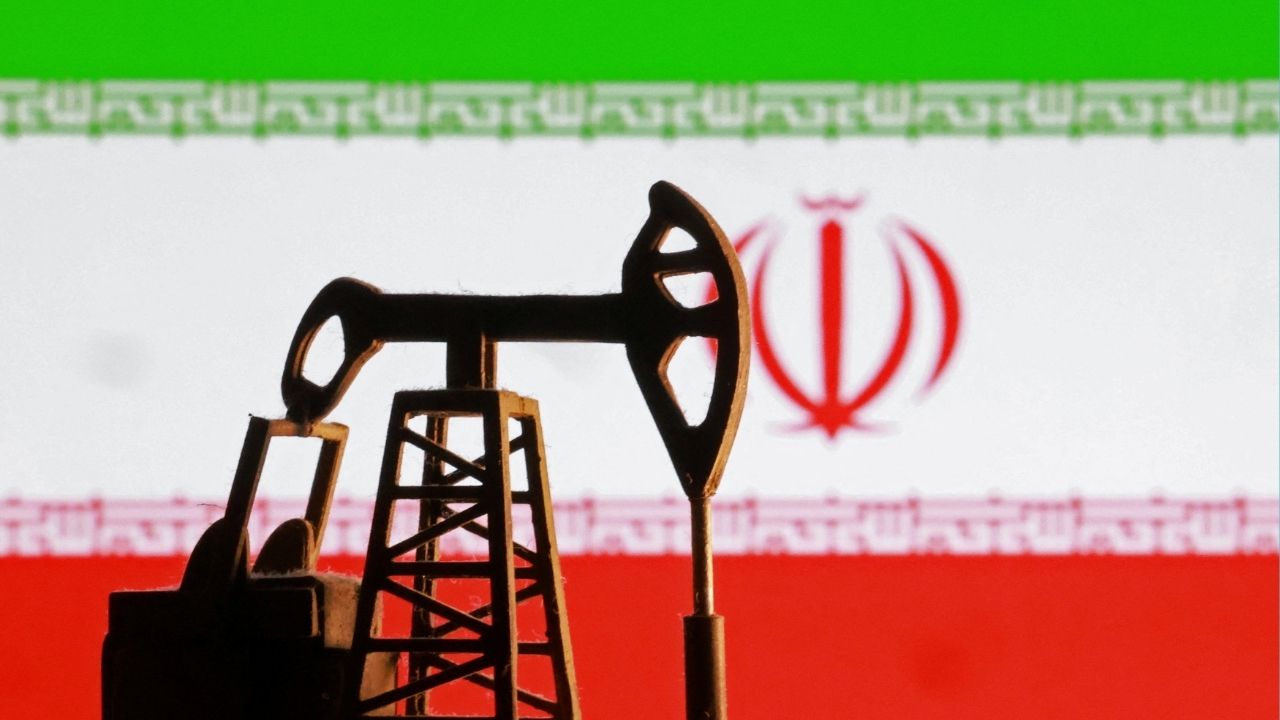
Oil prices declined following the conclusion of US-Iran discussions that resulted in export waivers, alleviating supply worries and enhancing hopes for sanctions relief.
Oil prices declined on Monday following the conclusion of negotiations between the United States and Iran in Switzerland, where Tehran revealed that it had secured exemptions permitting ongoing oil and petrochemical exports.
Brent crude fell by $1.68, or 2.09%, trading at $78.89 per barrel as of 0633 GMT. The benchmark previously surged above $82 a barrel as markets responded to the tensions surrounding the talks and the renewed uncertainty in the Middle East.
US West Texas Intermediate crude futures declined, falling to $76 a barrel as the contract approaches its expiration later in the day. The actively traded August contract fell to $75.16 per barrel.
Market analysts indicated that hope for a potential diplomatic breakthrough between Washington and Tehran alleviated concerns about extended supply constraints, leading traders to lower risk premiums that had driven prices up recently.
The discussions, which commenced on Sunday and wrapped up on Monday, represented the inaugural direct round of talks between senior officials from both nations under a newly established framework intended to maintain a delicate ceasefire for a minimum of 60 days.
Iranian Foreign Minister Abbas Araqchi stated that the negotiations led to waivers for Iranian oil and petrochemical exports, the release of certain frozen assets, and the initiation of reconstruction and development initiatives for the nation.
Analysts observed that any potential relaxation of sanctions could enable substantial quantities of Iranian crude to re-enter international markets, bolstering global supply during a period of relatively modest demand growth.
Before the discussions, worries about supply disruptions grew stronger after Iran declared yet another closure of the Strait of Hormuz, pointing to supposed violations of the interim peace agreement by the United States and Israel. Shipping data indicated a significant decline in vessel traffic through the strategic waterway after the announcement.
Meanwhile, regional tensions continued to escalate as Israeli airstrikes in Lebanon reportedly resulted in the deaths of at least 20 individuals, occurring just a day after a ceasefire with Hezbollah was implemented.
Despite the diplomatic progress, market observers warned that achieving a lasting agreement remains uncertain, cautioning that the temporary ceasefire could still encounter significant challenges in the weeks ahead.
Oil prices had already decreased by over 8% last week due to expectations that extra supplies might enter the market with the release of postponed Gulf cargoes and the possibility of easing restrictions on Iranian exports.
Iranian officials reported that over 25 million barrels of crude have passed through the Gulf region since the start of the week, with major producers such as the United Arab Emirates, Kuwait, and Iraq raising their supply offers to customers.
Iraq has announced its intention to gradually increase crude production to a range of 4.2 million to 4.3 million barrels per day, aiming to stabilize output and bolster market demand.