US Says Israel and Hezbollah Agree to Ceasefire As More Attacks Happen in Lebanon
Israel-Hezbollah ceasefire encounters immediate challenges as new strikes, casualties, and profound mistrust jeopardize the delicate efforts for peace.
Israel and Hezbollah have reached an agreement for a ceasefire, as reported by a US official, after a deadly escalation in southern Lebanon resulted in at least 47 fatalities during some of the most intense fighting seen recently.
The agreement was reached following heightened worries that ongoing hostilities, particularly a Hezbollah attack that resulted in the deaths of four Israeli soldiers in Lebanon, might undermine efforts to resolve the larger conflict involving Israel, the US, and Iran.
The Israeli military has confirmed that a ceasefire is now in effect. However, a spokesman for the Israeli military later stated that its forces would “continue to eliminate immediate threats.”
Although Hezbollah has not officially acknowledged the ceasefire, the group’s secretary general, Sheikh Naim Qassem, stated, “The project to eliminate Hezbollah has failed.”
Despite the announcement, reports from the ground indicated that fighting had not entirely ceased. Rescue officials in the southern Lebanese city of Nabatieh informed the BBC that a minimum of 12 air strikes took place following the implementation of the ceasefire at 16:00 local time.
The recent developments have sparked new inquiries regarding the sustainability of an agreement aimed at ceasing hostilities in Lebanon and alleviating tensions between the US and Iran. Despite a memorandum of understanding announcing a ceasefire in Lebanon in conjunction with the wider US-Iran agreement, the situation on the ground has revealed a contrasting reality.
Iran has charged President Donald Trump with not doing enough to rein in Israel, while Trump has openly condemned Israeli Prime Minister Benjamin Netanyahu, alleging that he has caused unnecessary civilian casualties during military actions against Hezbollah.
The recent escalation in southern Lebanon has added further complexity to the situation. In response to the deaths of Israeli soldiers, Israel’s National Security Minister Itamar Ben Gvir stated, “Lebanon must burn…” For each tear that falls from an Israeli mother, a thousand Lebanese mothers must mourn.
Iranian Foreign Minister Abbas Araghchi accused Israel of pursuing a “permanent war” and cautioned that any breach of the memorandum of understanding “will be attributed to the US.”
The ceasefire relies significantly on the self-control of both parties, yet there have been limited signs of such restraint. Netanyahu is under domestic pressure to persist with military operations against Hezbollah, while the Iran-backed group has consistently declared it will continue its attacks as long as Israeli forces are present in southern Lebanon.
In the wake of the ceasefire announcement, Israeli military spokesperson Effie Defrin emphasized that Israel would “continue to eliminate immediate threats, address Hezbollah’s violations, and take all necessary measures to safeguard our civilians.”
Qassem also expressed a resolute stance, asserting: “The project to eliminate Hezbollah has failed, and the Israelis will withdraw from every last inch of our land.”
The recent clashes began following Hezbollah’s announcement of an ambush on an Israeli force in southern Lebanon, resulting in the destruction of three tanks with guided missiles and the targeting of troops using rocket and artillery fire. An Israeli battalion commander was one of four soldiers who lost their lives.
Lebanon’s Health Ministry reported that Israeli air strikes resulted in the deaths of 47 individuals, including women and children, and left 97 others injured. In the Nabatieh district, nine individuals lost their lives in Harouf, seven in Haboush, and six in al-Duweir, among them a child.
Lebanon’s state news agency characterized Thursday night’s bombardment in the Nabatieh district as one of the most intense episodes of the war.
Many displaced Lebanese residents have received news of the ceasefire with skepticism, remaining doubtful about Israel’s commitment to any peace agreement.
One resident expressed to Reuters, “The agreement is beneficial, and we all desire an agreement, but the Israelis do not adhere to it.”
“How many times have they reached agreements?” On multiple occasions, they fail to commit.
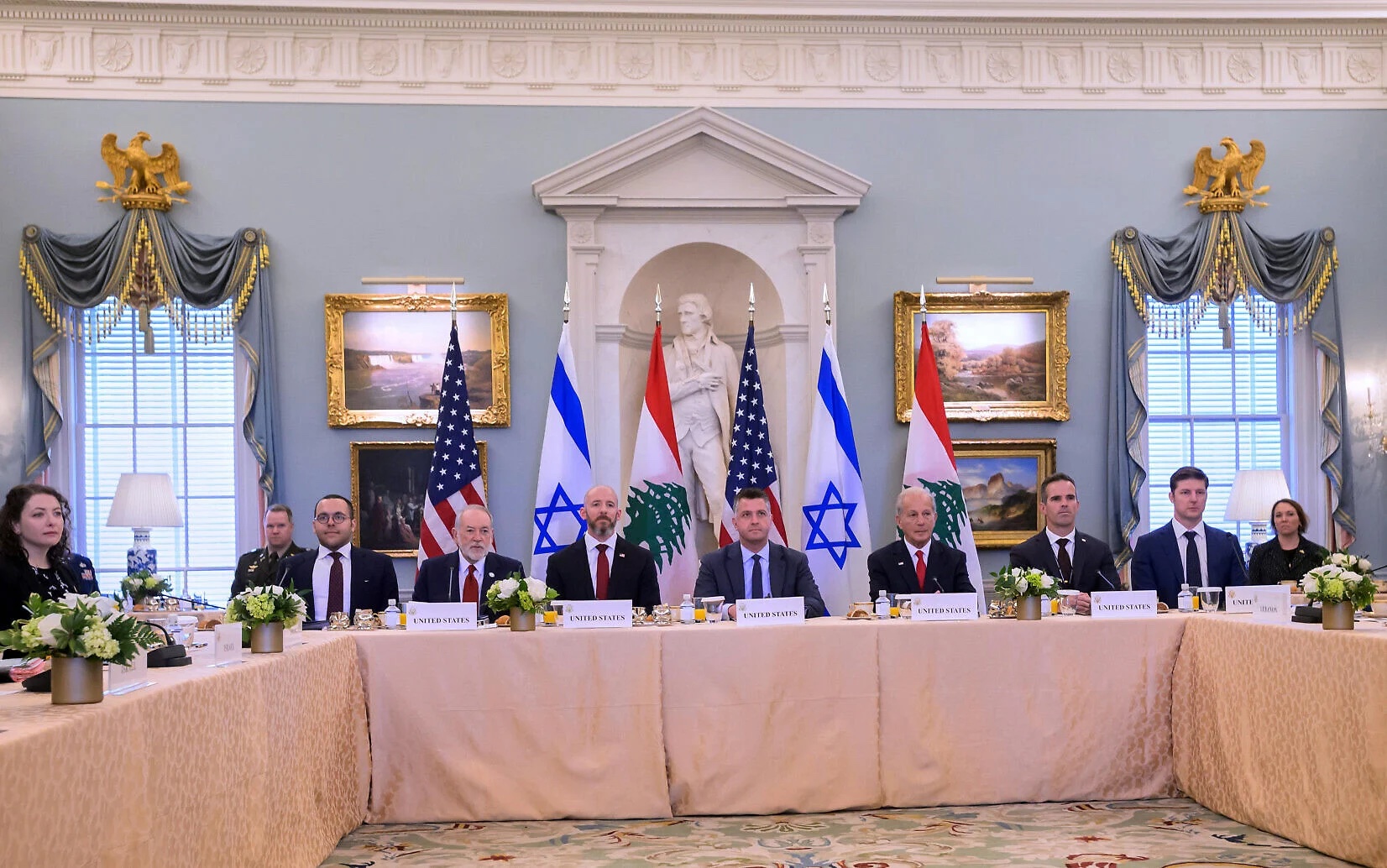
Meanwhile, the US State Department announced that direct talks between Israel and the Lebanese government are set to resume in Washington next week, aiming to secure a “lasting peace.”
Lebanese President Joseph Aoun informed US Secretary of State Marco Rubio that a “comprehensive ceasefire,” which would halt “Israeli attacks on Lebanese territory,” is crucial for advancing the discussions in Washington, as stated by the Lebanese presidency.
Not long after the main war between Israel, the US, and Iran started, Lebanon got directly involved. After a strike that killed Iran’s top leader, Hezbollah fired rockets into Israel.
Because of this, Israel launched a large-scale bombing operation across Lebanon and took over about 5% of Lebanese land in the south, trying to push Hezbollah fighters away from its northern border.
Since the fighting began, the Health Ministry of Lebanon reports that more than 3,900 people have died and over 11,600 have sustained injuries. About a million people have been forced to leave their homes, and the fighting has destroyed whole villages in southern Lebanon.