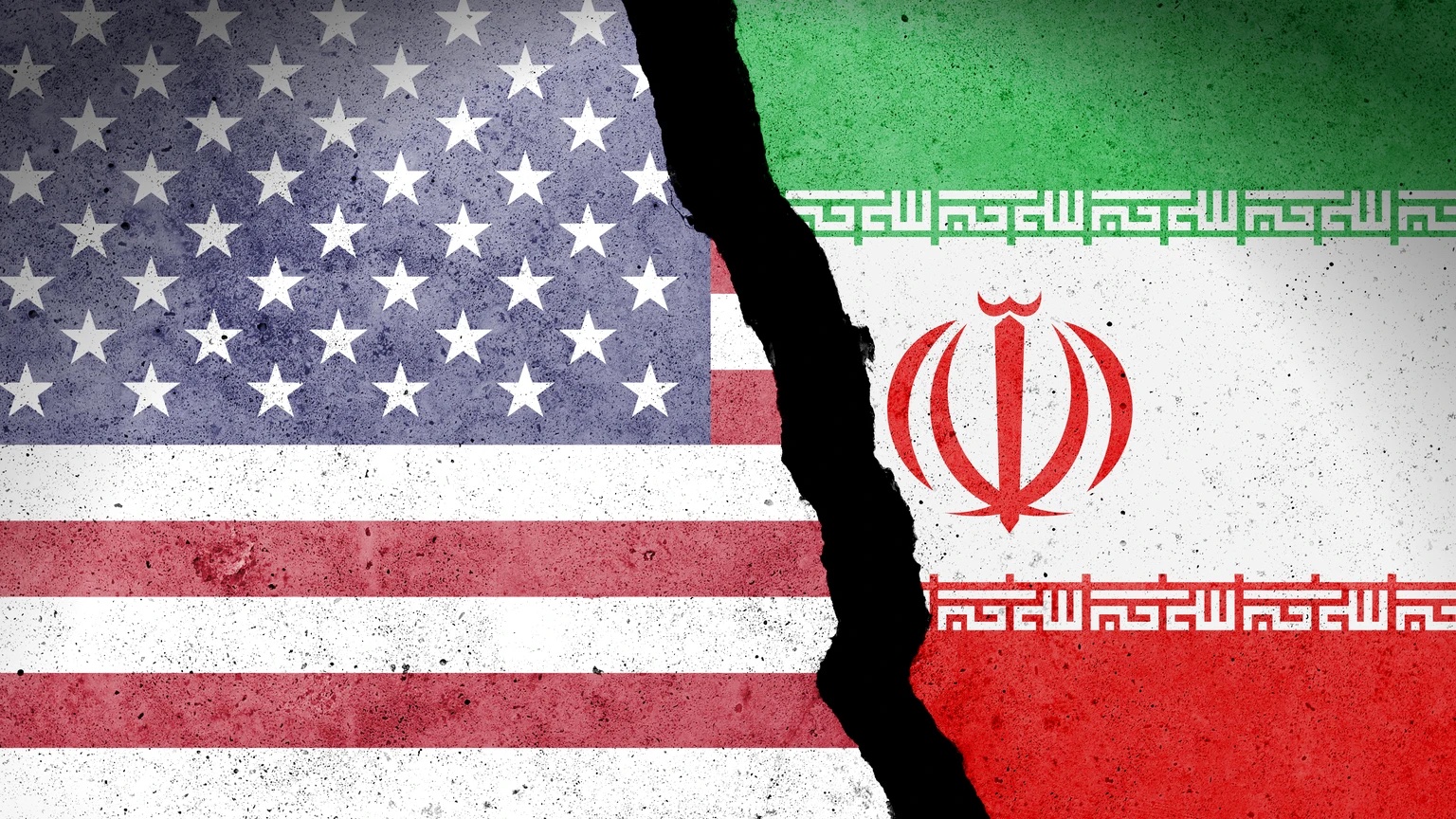
US-Iran talks in Switzerland were called off, which makes it less likely that there will be a lasting peace deal
Negotiations between the US and Iran in Switzerland have been called off, leading to uncertainty regarding a potential peace agreement and complicating efforts to achieve stability.
Efforts to promote a diplomatic resolution between the United States and Iran faced a setback when scheduled negotiations in Switzerland were called off, heightening worries about the stability of the recently established ceasefire.
Swiss authorities confirmed that discussions anticipated to occur at the Alpine resort of Burgenstock would no longer take place, while Vice President JD Vance canceled plans to attend the meeting with other American officials.
A spokesperson for the White House confirmed the cancellation, noting that the arrangements related to the negotiations were still fluid and challenging to finalize. The US delegation was reportedly ready to travel once the details were confirmed.
Iranian officials have yet to provide a response regarding the development. Tehran had earlier expressed a readiness to initiate technical discussions after last week’s 14-point agreement, which prolonged a delicate ceasefire for another 60 days.
However, Iranian negotiators were reported to be looking for proof that Washington was enacting essential elements of the interim agreement before agreeing to continue discussions. Reports from Iranian media indicated that there was no confirmation regarding Tehran’s delegation traveling to Switzerland.
Plans for a formal signing ceremony of the US-Iran agreement seemed to lack clarity. Although American officials advocated for an official event in Switzerland, Iranian authorities raised doubts about the necessity of such a ceremony since both countries’ leaders had already endorsed the deal.
The conflict, which began in late February after US and Israeli military strikes on Iran, has resulted in over 7,000 fatalities, disrupted energy markets, and heightened economic uncertainty worldwide.
Concerns regarding the future of the agreement have been heightened by Israel’s stance. Israeli leaders, not part of the negotiations, have persisted with military operations against Hezbollah in Lebanon, even in the context of the wider ceasefire framework.
The agreement has sparked discussion in Washington, with several Republican lawmakers expressing criticism towards President Donald Trump’s administration for providing substantial concessions to bring the conflict to a close.
While Trump initially maintained that the war would end solely with Iran’s “unconditional surrender,” the final agreement encompasses sanctions relief, the release of billions of dollars in frozen Iranian assets, and waivers permitting the resumption of Iranian oil exports.
Iran’s Supreme Leader, Ayatollah Mojtaba Khamenei, characterized the agreement as a result of American pressure to resolve the conflict and cautioned that upcoming negotiations concerning Tehran’s nuclear program would continue to be challenging.
Under the agreement, negotiators have a period of 60 days to achieve a more comprehensive understanding of Iran’s nuclear activities, with options for an extension if needed. The framework establishes a $300 billion reconstruction initiative designed to support recovery efforts in Iran and the affected regions.
At the same time, the financial implications of the conflict remain a focal point of concern. Reports indicate that the US Department of Defense has requested approximately $80 billion to address war-related expenses and other budgetary commitments.
Despite the agreement, several objectives initially outlined by Washington remain unaddressed. Iran has consistently asserted that it does not pursue nuclear weapons, while also consenting to international inspections and the reduction of highly enriched uranium stockpiles under monitored agreements.
US officials remain optimistic that upcoming negotiations may lead to a more extensive nuclear agreement. Critics contend that Iran came out of the conflict in a more advantageous strategic position, having maintained its influence over the Strait of Hormuz and obtained economic concessions.
Iran has announced its intention to maintain oversight of maritime activities in the Strait of Hormuz in collaboration with Oman and intends to implement new service charges for vessels using this vital shipping route after the negotiation period ends.
Oil prices decreased on Friday as shipping traffic slowly returned through the Strait of Hormuz, an essential route for global crude oil and liquefied natural gas exports.
On Friday, renewed Israeli airstrikes in Lebanon reportedly resulted in the deaths of at least 15 individuals. Israeli authorities stated that the operations aimed at Hezbollah positions, while the attacks heightened concerns regarding the enforcement of measures intended to establish a lasting cessation of hostilities in the region.
The ongoing conflict has underscored the strains in the relationship between Washington and Israel, as President Trump has grown more critical of Israeli military operations, despite the historical alliance between the two nations.