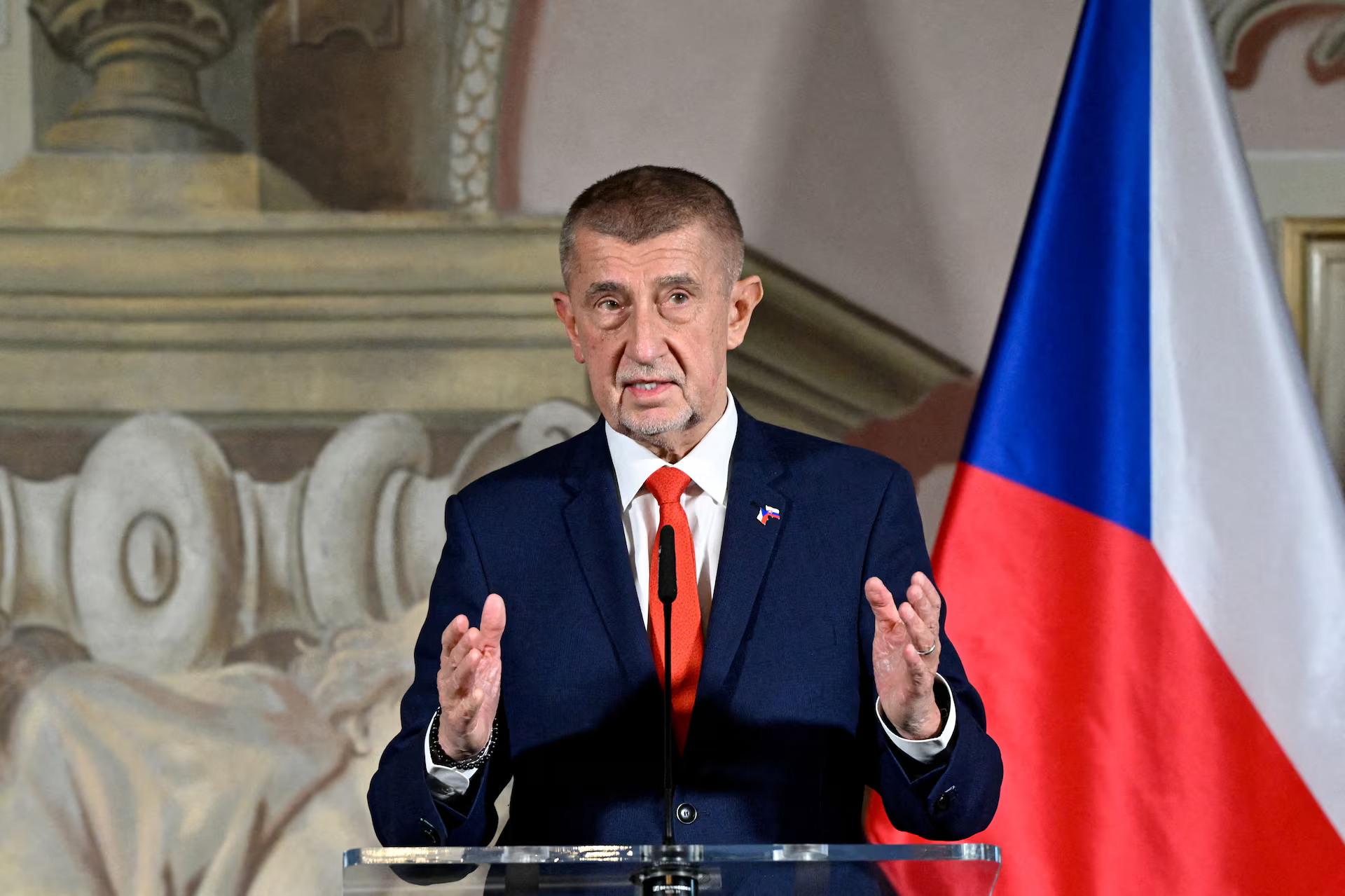
Czech Prime Minister Andrej Babis says that the country will miss NATO’s spending goal on defense again because it wants to keep its finances stable.
This year, the Czech Republic will again not meet NATO’s basic goal for defense spending. Prime Minister Andrej Babis confirmed that the government has given up on meeting the alliance’s 2% of GDP goal in 2026.
Babis said on Friday that his government had chosen to fix the country’s finances before spending more on the military. This means that plans to meet NATO requirements will have to wait until at least next year.
At first, the Czech government planned a defense budget that would help them get closer to the alliance goal. Later, though, plans to spend less were changed, and now military spending is expected to be between 1.7% and 1.8% of gross domestic product.
In a social media post, Babis admitted that the country would still be below the agreed-upon level this year. He stressed that his government’s main goal is still to keep the budget stable.
The government has moved money from foreign issues to domestic ones. For example, they have taken steps to lower energy costs and put more money into building up transportation systems. The budget deficit is bigger than was planned because of these choices.
According to the news, NATO members are under more and more pressure to improve their defenses after Russia invaded Ukraine. This is because the US has been asking its European allies to take on more security duties.
Leaders of the Alliance recently agreed to greatly raise long-term spending goals. By 2035, member states should aim to allocate 5% of their GDP to defense-related needs, with 3.5% set aside for core military activities.
Even though there was a gap this year, Babis was sure that the Czech Republic would reach its 2% goal by 2027 and be able to keep it up.
He said that future increases in defense spending would happen slowly and would be in line with both the country’s security needs and its duties to NATO partners.