African lawmakers have approved more stringent anti-LGBT legislation following a conference held in Ghana
African lawmakers have approved more stringent anti-LGBT legislation after a conference in Ghana, indicating a regional trend towards harsher legal limitations in the countries involved.
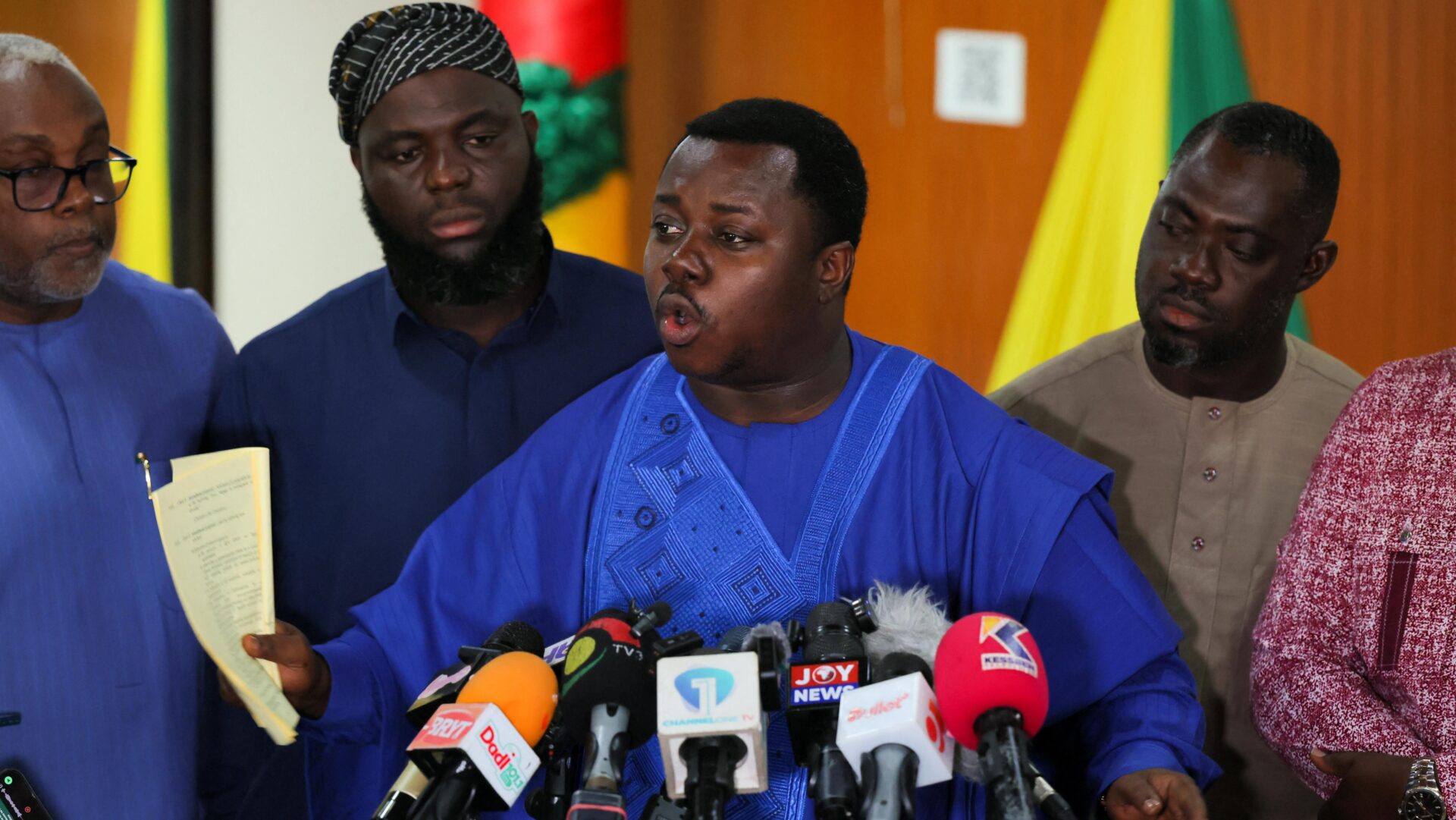
Lawmakers from over a dozen African nations have expressed their backing for more stringent measures concerning LGBT rights following a conference in Ghana that united “pro-family” advocates from both Africa and Europe.
The African Inter-Parliamentary Conference on Family Values and Sovereignty took place in Accra from June 3 to 6, shortly following the passage of one of the continent’s strictest anti-LGBT bills by Ghana’s parliament, which criminalizes the promotion of LGBT identities.
Participants noted that the meeting indicates an increasing regional momentum towards more restrictive legal frameworks impacting LGBT communities, a change they partially attributed to the influence of conservative political and advocacy groups from the United States and Europe. Some attendees also indicated that the political climate surrounding Donald Trump’s potential return to the White House has spurred increased activity in this area.
Several delegates have noted that the current US administration’s position markedly contrasts with that of previous governments, showing a reduced emphasis on foreign policy initiatives aimed at promoting LGBT rights internationally.
In his opening address, Ghana’s Speaker of Parliament Alban Bagbin called on lawmakers to guarantee that the outcomes of the conference are put into action in their respective regions. “When you return to your respective capitals, let the resolutions we adopt here not be forgotten in the archives of our secretariats. “Let them be transformed into active bills, strong budgetary allocations, and thorough oversight,” he stated.
He stated: “Return home and inform your community that their representatives have committed to safeguarding the sanctuaries of their residences, the legacy of their forebears, and the independence of their nations.”
Over half of Africa’s 54 nations currently have laws that criminalize same-sex relationships. Recently, countries like Uganda and Senegal have enacted further legislation aimed at what they refer to as the “promotion” of LGBT identities. Ghana’s parliament passed similar legislation in late May; however, it is still pending presidential approval.
Organizers indicated that representatives from approximately 20 countries participated in the Accra meeting, although it is still uncertain how many plan to officially propose new legislation stemming from the discussions.
Reports from participant accounts and conference documents indicate that the event included over 100 pages of presentations. However, the degree of foreign involvement or funding could not be independently confirmed.
Among those mentioned was Sharon Slater of the US-based group Family Watch International, who has attended similar gatherings in Africa in the past but did not participate this year despite receiving an invitation.
Speakers also featured Dutch activist Henk Jan van Schothorst, who criticized Western attempts to limit conversion therapy practices in Africa, labeling such actions as “ideological colonization” by Western powers.
During a presentation, Kenyan doctor Wahome Ngare provided definitions of homosexuality and transgender identity that associated them with abuse, assertions that represent contested and widely debated perspectives.
The conference wrapped up with the adoption of an “African Charter on Family, Sovereignty and Values,” a document that was previously crafted in Uganda. The charter prompts governments to reevaluate international agreements that are considered endorsing LGBT rights, access to abortion, or comprehensive sex education.
It also urges signatories to implement domestic laws intended to safeguard what it refers to as African cultural and moral values. Lawmakers from 18 of the 20 participating countries have reportedly expressed their support for the charter.
Public health experts have cautioned that more stringent laws may deter LGBT individuals from pursuing healthcare services. In various nations, such as Senegal, there have been reports of a decrease in the uptake of HIV treatment, coinciding with increased legal and social pressures.
For numerous LGBT individuals in Ghana, the ongoing policy debate has heightened anxieties.
“I am always self-censoring, concealing myself, and remaining vigilant.” “That’s not safety, that’s survival,” remarked a photographer residing in Accra. “So indeed, the thought of leaving has crossed my mind. That truly saddens me because Ghana is where I belong.
Previous reports suggested that certain conservative advocacy groups in the US have collaborated with activists backing similar legislation in various regions of West Africa.
Ghana’s bill is pending a decision from President John Dramani Mahama, who has shown support for similar measures in the past but has recently raised procedural concerns.
Meanwhile, a coalition of over 100 African civil society organizations has called on the president to reject the legislation, cautioning against the impact of external actors on domestic policymaking.
The US State Department has stated that its current approach to foreign assistance guarantees that taxpayer funds are not allocated to what it characterizes as divisive social issues.
At the Accra conference, former Ugandan lawmaker Sarah Opendi expressed her appreciation for the changing global political climate, stating: “Let us first thank the American people for voting for President Trump.” The dialogue in America today has evolved.