G7 supports Ukraine and has agreed on new sanctions against Russia while leaders advocate for peace initiatives
G7 leaders have reiterated their commitment to supporting Ukraine, endorsed stricter sanctions against Russia, and expressed their backing for renewed peace negotiations.
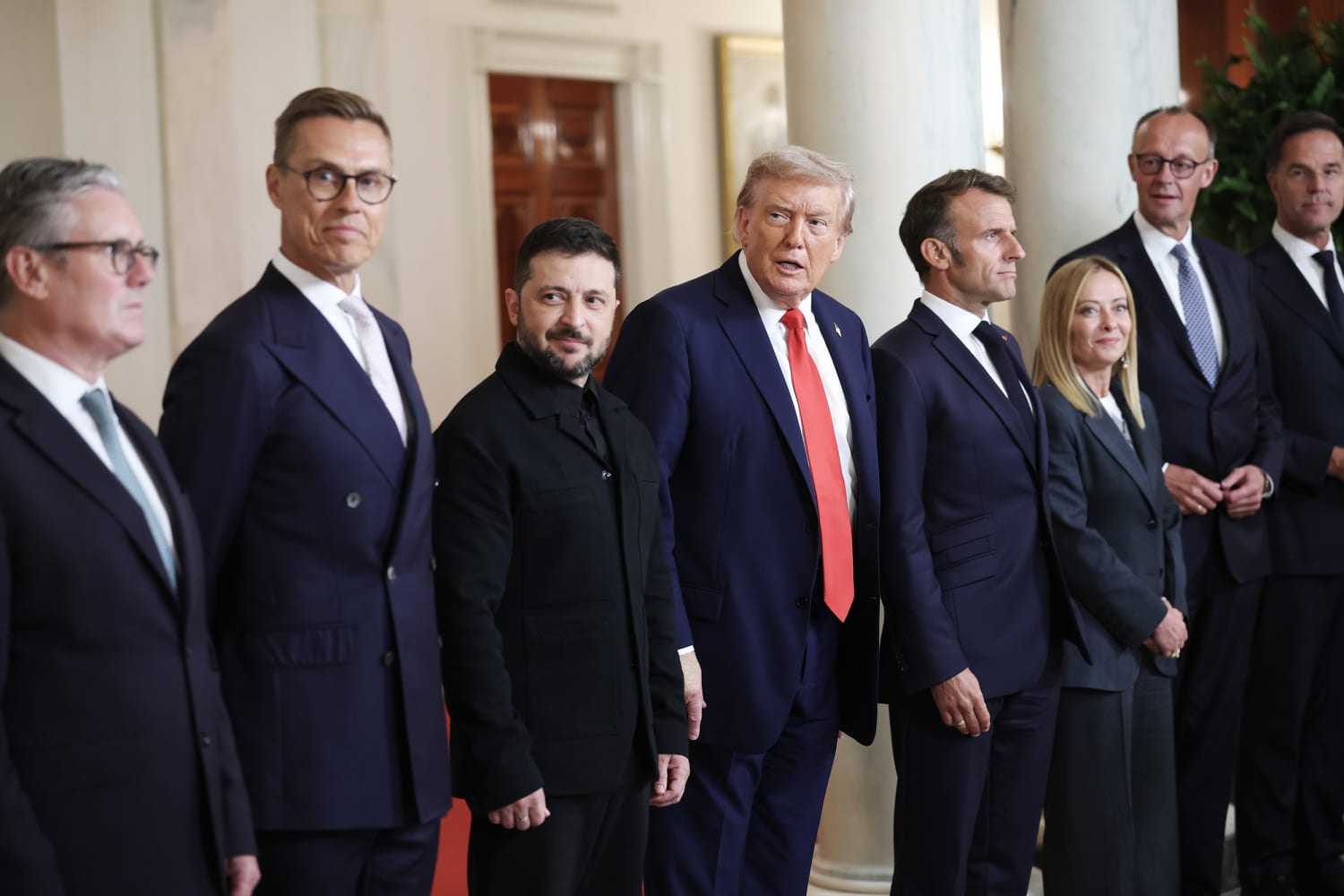
Leaders of the Group of Seven (G7) nations have reiterated their backing for Ukraine, emphasizing its territorial integrity, and have reached a consensus to enhance sanctions on Russia as Kyiv aims to bolster its stance in negotiations for a peace agreement with Moscow.
The commitment was detailed in a joint statement released at the end of the G7 summit held from June 15-17 in Evian-les-Bains, France, showcasing a notable display of solidarity among member states regarding the war in Ukraine.
The agreement was especially significant considering the past challenges in coordinating the administration of US President Donald Trump with other G7 nations on strategies to resolve the conflict.
The statement came after what Trump referred to as a “excellent” meeting with Ukrainian President Volodymyr Zelenskiy and other G7 leaders on Tuesday. The discussions sparked a sense of hope that advancements towards a peace agreement might be realized, with Zelenskiy suggesting he could meet Trump once more on Wednesday.
The declaration reflects Ukraine’s enhanced negotiating position after successful drone operations that have reportedly diminished Russia’s military leverage.
In addition to discussions on Ukraine, G7 leaders acknowledged the preliminary peace agreement between the United States and Iran, which was signed by Trump just before the summit, and expressed their willingness to support its implementation.
The leaders pledged to diversify global energy supply routes, reduce reliance on the Strait of Hormuz, and expand strategic energy reserves to enhance energy security.
On Wednesday, focus turned to essential minerals and global economic disparities, which are significant priorities for France’s G7 presidency.
French officials are advocating for a pact designed to lessen Western reliance on China for essential minerals while also safeguarding investors from market distortions, countermeasures, and dumping practices.
The issue became more pressing after China disrupted global supply chains last year by imposing export restrictions on rare earth permanent magnets, highlighting the vulnerability of Western industries that depend on Chinese supplies for energy, defense, and advanced technology manufacturing.
“We are in discussions regarding important texts related to critical minerals and, as a result, economic sovereignty,” a French presidency official stated prior to the summit.
G7 members talked about ideas like helping with prices, giving financial support, setting market rules, making sure purchases are guaranteed, and encouraging more private investment in mineral supply chains outside of China. However, diplomats cautioned that the summit’s agreements are likely to represent only initial measures.
China’s limitations on rare earth exports were a component of a wider effort to strengthen regulations on strategic materials. Beijing has restricted American companies’ access to exports of tungsten, antimony, and other essential resources.
Western governments have intensified their initiatives to secure resources from emerging mining projects and enhance processing and recycling capabilities. Analysts observe that diminishing China’s dominance will necessitate years of consistent investment.
The United States put forth the idea of establishing a critical minerals trading bloc earlier this year; however, the nations involved are still at odds regarding the operational framework, especially given apprehensions about Washington’s “America First” trade policies.
G7 leaders are engaging in discussions about wider trade issues, focusing on what they refer to as global economic imbalances and “predatory competition,” largely associated with China’s expanding industrial capacity and export prowess.
French officials have described the imbalance as a global system where China produces in excess, the United States consumes in excess, and Europe invests insufficiently.
Concerns have grown throughout Europe regarding China’s unprecedented trade surplus and its move into higher-value manufacturing sectors, a trend that some analysts have referred to as a “second China shock.”
Ahead of the summit, French President Emmanuel Macron aimed to connect with Chinese officials to alleviate tensions. Beijing has consistently dismissed European claims of unfair state subsidies and has warned of “strong” counteractions against suggested EU initiatives intended to bolster domestic industries and technological independence.
On Thursday, European Union leaders plan to intensify their discussions on stricter trade defense measures regarding Chinese imports at a summit in Brussels.
Last year, the EU recorded a trade deficit with China exceeding €360 billion, the largest in its history.
Artificial intelligence is prominently featured on the summit agenda, with leaders anticipated to address topics such as accountability for AI systems, the function of automated agents, and the challenges related to misinformation and truth verification.
Expected participants in the discussions include Sam Altman and Dario Amodei.