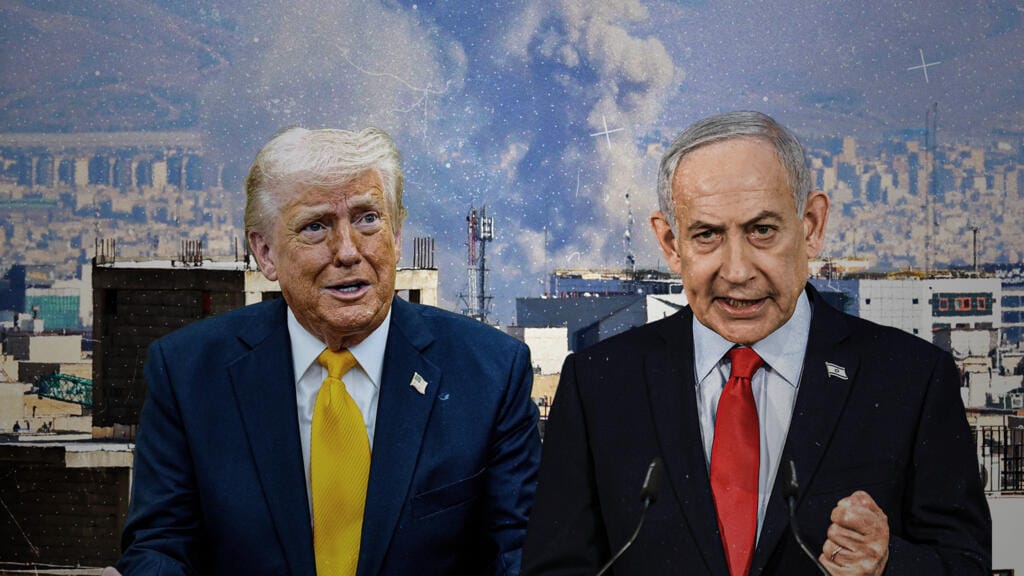
The peace deal between the US and Iran shows that Donald Trump and Benjamin Netanyahu are becoming more frustrated with each other over regional security goals.
It looks like Israeli Prime Minister Benjamin Netanyahu and US President Donald Trump have different ideas about how to end the conflict with Iran. The announcement comes after Washington and Tehran came to an agreement to stop military actions and start more talks.
The proposed deal would set up a 60-day ceasefire during which the US and Iran are supposed to discuss a longer-term deal that would address concerns about Tehran’s nuclear activities and security problems in the region.
The White House has promoted the deal as a way to bring about peace, but Israeli officials are said to be distressed about it because it doesn’t answer important security questions and could make it harder for Israel to use force if threats arise.
Several Israeli officials, who did not want to be named, said they were unhappy with the plan and thought it was bad for Israel’s strategic interests. They are worried that the negotiations could go on longer than planned, which would limit Israel’s options while the talks are going on.
Netanyahu and Trump are said to have had a rough few weeks together because of Israel’s military actions in Lebanon and its war against Hezbollah forces backed by Iran. As it tries to reach a diplomatic agreement with Tehran, Washington has constantly called for calm.
Even though they disagree on some issues, Netanyahu has tried to avoid a public fight with Trump, knowing that even though they often agree, there are times when they disagree.
In a speech in Jerusalem, the Israeli leader said that protecting Israel’s security was still his most important job and that his government would keep doing what it needs to do to keep its people safe.
The new deal should be signed officially in Switzerland by the end of this week. As part of the process, mediators have said that the agreement calls for an end to all military operations, including those in Lebanon.
On the other hand, Netanyahu has said that Israeli troops will stay in southern Lebanon and be ready to fight Hezbollah strikes if they happen.
The deal would also reopen important shipping lines in the Gulf, but it would not answer larger questions about Iran’s nuclear program. Those will have to be dealt with in later talks.
Israeli officials are worried that problems like Iran’s missile program and support for armed groups across the Middle East might not be fully addressed in the upcoming talks, even though these were major reasons for military action in the past.
The news comes at a touchy time for Netanyahu politically, as he has to run for office later this year and has long used his close friendship with Trump as proof of his ability to lead.
Political experts say that the deal could make that story more complicated, especially if Israeli voters think that Washington’s diplomatic approach goes against Jerusalem’s security priorities.
Recent polls show that Israelis are losing faith in Trump’s commitment to their country’s security. This adds to the uncertainty as talks continue and leaders in the region think about what a possible long-term settlement could mean.