Trump states that a peace deal with Iran might be finalized this weekend
Trump states that a peace deal with Iran may be finalized this weekend as negotiations progress, even though Tehran’s concerns remain unresolved.
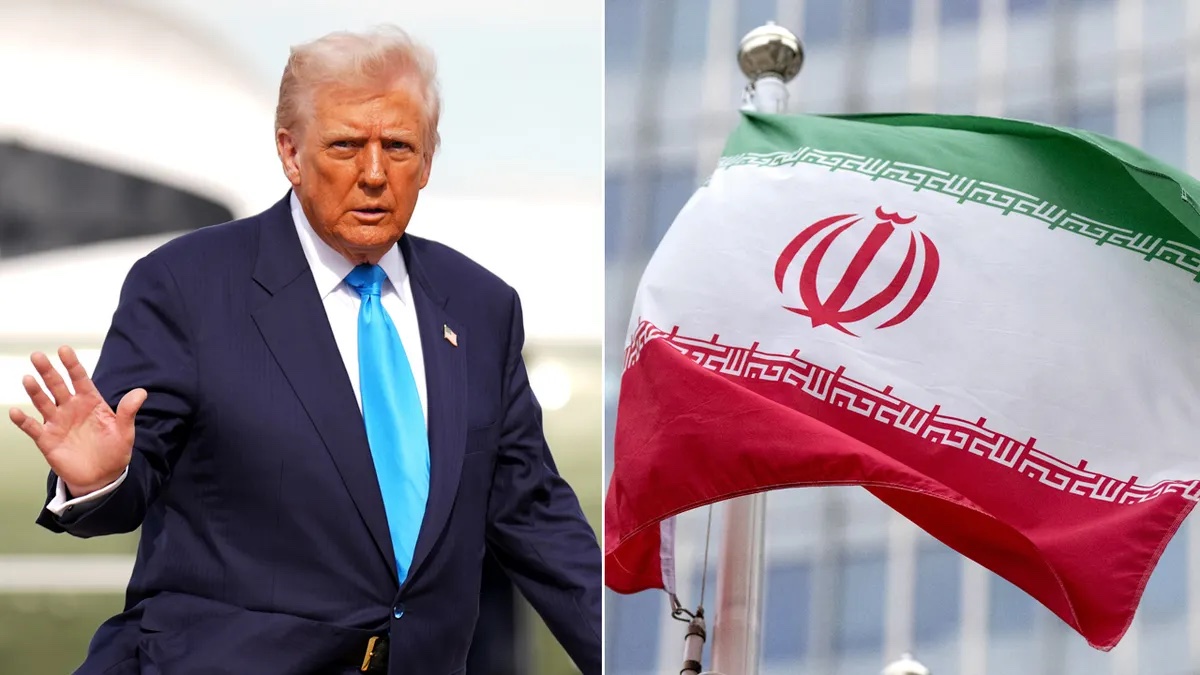
On Friday, optimism for a peace agreement between the United States and Iran increased after US President Donald Trump indicated that a deal to resolve the three-month conflict might be signed as early as this weekend, though Tehran stated it had not yet reached a final decision.
If confirmed, the agreement would represent a major diplomatic achievement since the onset of the conflict, which has resulted in thousands of deaths and increased global energy prices following Iran’s effective restriction of shipping through the Strait of Hormuz.
“We just reached an excellent agreement regarding the conflict with Iran,” Trump informed reporters at the White House on Thursday.
“The strait will officially open as soon as we sign, which could be soon, very soon, perhaps over the weekend in Europe,” he stated, noting that Vice President JD Vance would be present at the signing ceremony.
When questioned about whether Iran’s Supreme Leader Ayatollah Mojtaba Khamenei had given his approval for the deal, Trump responded, “I understand the answer is yes.”
Trump has consistently stated since March that a resolution to end the conflict was imminent. Despite these assurances, both sides have engaged in strikes this week, testing the ceasefire that was announced in April.
Iranian media reported that Foreign Ministry spokesperson Esmaeil Baghaei stated that significant portions of the agreement had been finalized; however, Iran would not yield on essential positions.
“We have not arrived at a definitive conclusion regarding this issue,” he stated. The appropriate decision-making authorities are currently reviewing this issue, which holds significant importance.
Financial markets responded favorably to the recent developments. Asian stocks experienced an uptick in conjunction with a wider global rally, while oil prices declined to their lowest points in two months amid expectations of a potential deal being reached soon.
Nevertheless, uncertainty regarding the Strait of Hormuz continued. A US official reported that American forces intercepted and shot down two Iranian one-way attack drones following Tehran’s attempt to target commercial vessels navigating through the strategic waterway. Iranian state media reported that the country’s military intercepted a tanker attempting to transit the strait, with explosions heard in the vicinity early on Friday.
Trump recently made remarks following his decision to cancel intended military strikes against Iran, referencing advancements in negotiations.
“It’s a robust memorandum of understanding that is somewhat conceptual,” Trump told reporters.
Trump has consistently asserted that any deal must ensure Iran does not acquire a nuclear weapon, while Tehran continues to deny this.
Iran’s demands reportedly encompass the lifting of international sanctions, access to billions of dollars in frozen assets, and acknowledgment of its authority over the Strait of Hormuz.
The primary focus is that Iran will not possess nuclear weapons. Trump later stated during a campaign event conducted by telephone that the agreement indicates it has neither been developed nor purchased.
Earlier on Thursday, Trump cautioned that the United States would launch a significant strike on Iran “very hard tonight” and expressed his ultimate desire for control over Iran’s oil infrastructure hub at Kharg Island.
The conflict has posed political challenges for the White House, as increasing fuel prices impact public sentiment. Recent polls indicate a decline in approval ratings for Trump, and some Republicans are concerned that voter discontent regarding the war may impact their party’s prospects in the upcoming midterm elections in November.
Simultaneously, Trump is under pressure from Iran hawks within the Republican Party, who assert that any agreement must definitively prevent Tehran from advancing toward the development of a nuclear weapon.
Regional reaction is anticipated to be a significant factor. Trump stated on social media that nations such as Israel, Saudi Arabia, Qatar, and the United Arab Emirates had given their approval for the agreement.
However, the office of Israeli Prime Minister Benjamin Netanyahu stated that Israel was not a party to the memorandum of understanding with Iran.
After talking with Trump, Netanyahu shared a statement where he showed support for efforts to reach an agreement that includes removing enriched nuclear material, breaking down enrichment facilities, limiting missile production, and stopping support for regional proxy groups.
Meanwhile, Tehran persists in calling for a cessation of Israeli military operations in Lebanon, where hostilities have continued alongside the wider conflict involving Iran-backed Hezbollah militants.