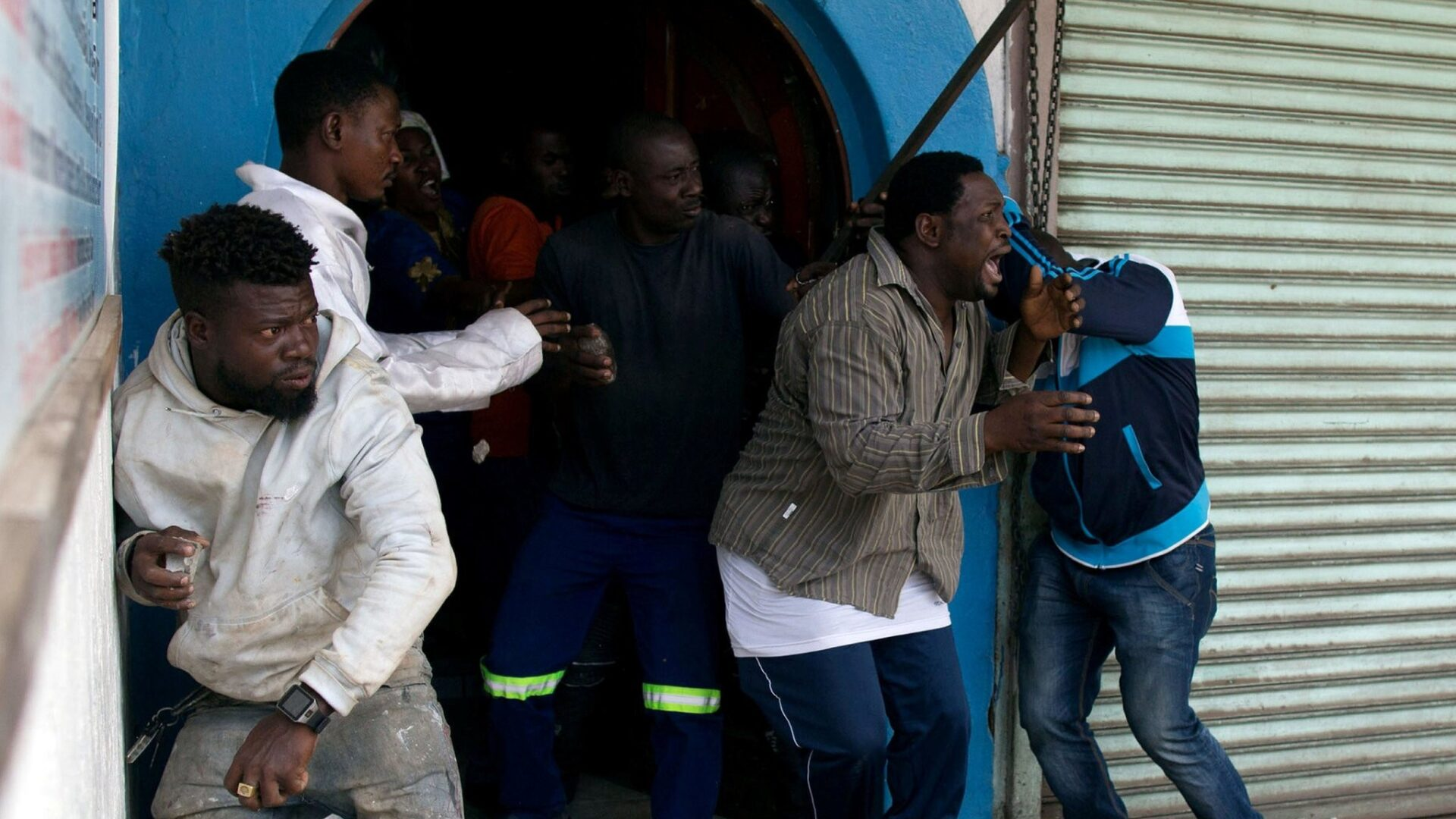
Ramaphosa has declared a firm approach to illegal migration, emphasizing the importance of combating xenophobia while enhancing border security and deportation processes.
South African President Cyril Ramaphosa has declared a comprehensive initiative to address illegal migration, implementing new enforcement strategies in response to increasing anti-foreigner sentiment and escalating social tensions.
In a national address, Ramaphosa detailed plans that encompass jail sentences for employers who employ undocumented workers, the establishment of special courts to expedite deportations, and the implementation of a nationwide biometric register for all residents to combat identity fraud.
He cautioned citizens not to take the law into their hands, as there has been a rise in reports of intimidation and violence against foreign nationals in certain areas of the country.
Recently, several African countries have initiated the evacuation of their citizens from South Africa, as hundreds of migrants have sought refuge after reports of threats and killings in certain areas of the Western Cape.
Anti-migrant groups have called for undocumented foreigners to exit the country, imposing a deadline of 30 June for adherence.
Ramaphosa stated that illegal migration was putting a strain on public services while emphasizing that it is the government’s sole responsibility to enforce immigration laws.
“No one else is permitted, for instance, to approach someone in the street to request proof of nationality,” he stated.
He outlined a five-point plan to tackle the issue, which includes enhanced border controls, increased law enforcement, anti-corruption initiatives within immigration services, legal reforms, and collaboration with other African nations.
The president stated that authorities would not accept vigilante actions or any attempts to manipulate immigration issues for political or criminal gain.
He cautioned about the dangers of misinformation campaigns on social media, emphasizing that South Africa would not permit the rise of xenophobia or racism.
He stated, “Migration shapes our country,” emphasizing that diversity is fundamental to South Africa’s national identity.
Authorities estimate that over three million foreigners reside in South Africa, though the actual figure of undocumented migrants is thought to be even greater.
Ramaphosa stated that more than 450,000 attempts at illegal entry had been thwarted in the previous year and criticized certain employers for taking advantage of undocumented workers by offering low wages and facing minimal penalties.
He revealed intentions to deploy 10,000 labor inspectors and implement stricter penalties, including imprisonment for offenders.
The government plans to phase out green ID books due to their susceptibility to identity theft and transition to a digital identification system.
Additional reforms involve moving refugee reception centers to border posts, regulating informal businesses like township spaza shops, and implementing sector-based quotas for foreign employment.
Ramaphosa announced the dispatch of envoys throughout Africa to convey the new policies and encourage regional collaboration.
He concluded by urging for unity, expressing confidence that South Africa would surmount its current challenges and create a “secure, lawful, compassionate, and prosperous” nation.