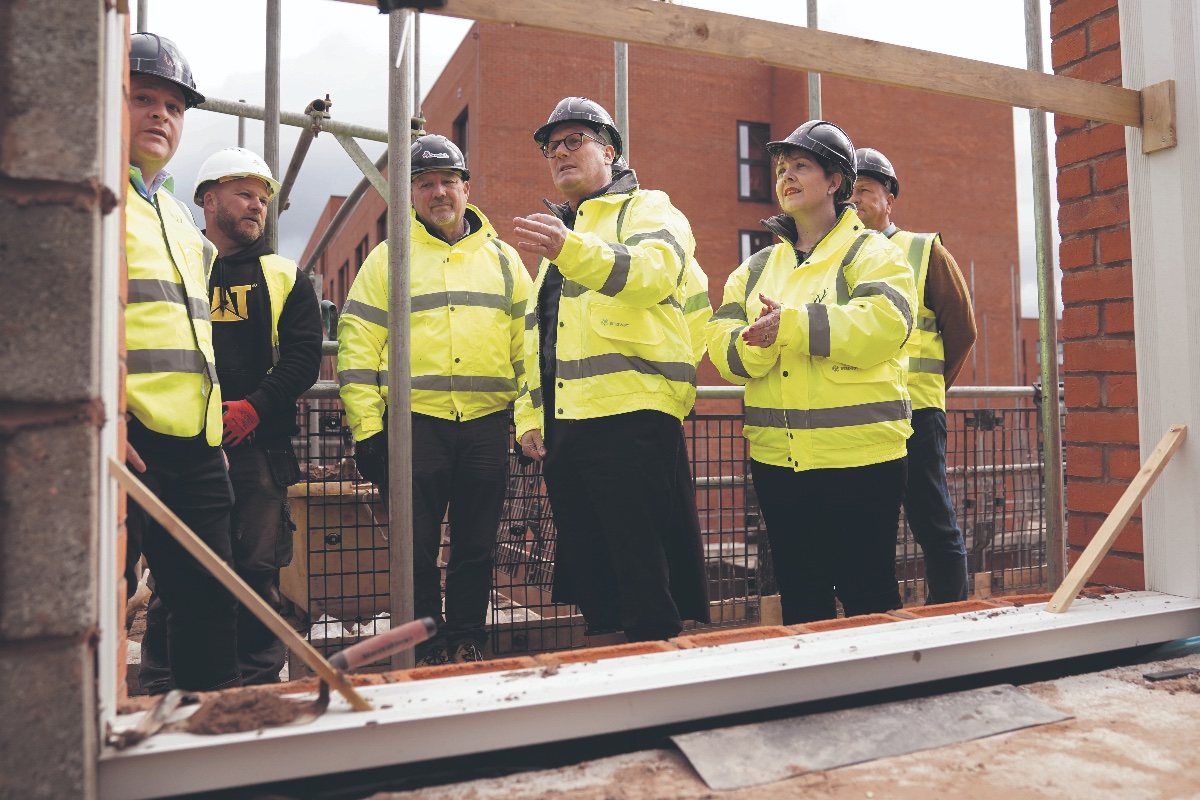
UK construction activity has declined at the quickest rate since 2020, as the PMI indicates a worsening slowdown in the sector and a lack of demand.
Britain’s construction industry experienced its most significant contraction in six years last month, driven by economic uncertainty and inflationary pressures associated with global tensions, resulting in a notable decline in new projects, as indicated by a recent survey.
The S&P Global Purchasing Managers’ Index (PMI) for construction decreased to 38.2 in May, a decline from 39.7 in April. This represents its lowest level since May 2020, when the COVID-19 pandemic caused significant disruptions in the sector.
The latest figure remains significantly below the 50-point threshold that distinguishes growth from contraction, a level the sector has remained under since the beginning of 2025. It also fell notably short of economists’ expectations of 40.2 in a Reuters poll.
Firms surveyed indicated a decline in demand conditions, a reduction in tender opportunities, and persistent delays in projects. Many attributed the slowdown to wider economic uncertainty, encompassing geopolitical tensions in the Middle East and ongoing domestic political issues.
Residential construction experienced the most significant drop, whereas commercial projects like offices and retail spaces faced a comparatively softer decline.
Simultaneously, cost pressures escalated. Input prices increased at the quickest pace since June 2022, primarily due to rising costs in fuel, energy, and transportation. Companies reported significant supply chain delays, with shipping disruptions reaching their peak since late 2022, partly due to instability impacting key trade routes.
Tim Moore, the Economics Director at S&P Global Market Intelligence, observed that the rise in fuel surcharges and escalating costs for energy-intensive materials persistently burden construction firms throughout the supply chain.
Business sentiment has further deteriorated, with optimism for the upcoming 12 months dropping to its second-lowest point since late 2022. Companies are becoming increasingly worried about the stability of their order books and the short-term economic outlook.
Employment in the sector experienced a continued decline for the 17th consecutive month, though the pace of job losses showed a slight reduction compared to April.
At the same time, the wider UK economy exhibited indications of pressure. The all-sector PMI, encompassing both services and manufacturing, fell to 48.7 in May from 51.5 in April, indicating its lowest point since significant tariff announcements in 2025 disrupted global markets.