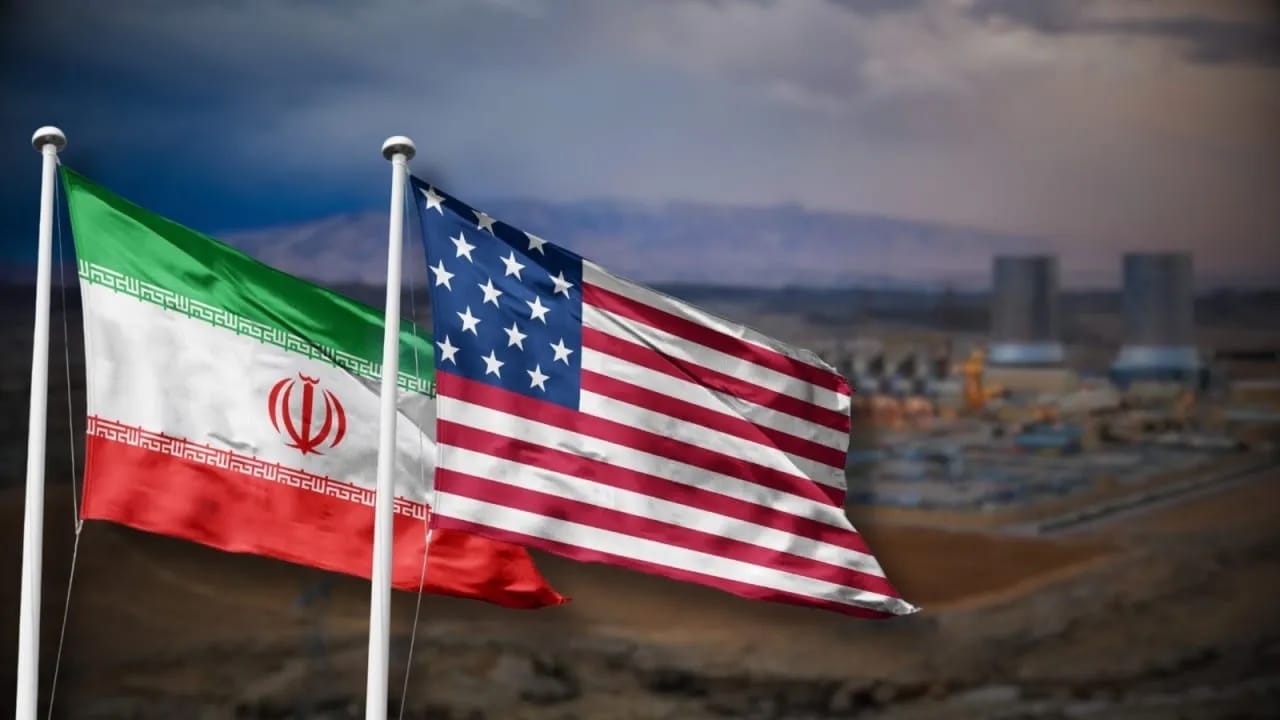
Global institutions indicate that the US-Iran conflict is interrupting energy supplies, increasing costs, and jeopardizing the livelihoods of those in poorer nations.
Leaders from the World Bank, International Monetary Fund (IMF), World Trade Organization (WTO), and the International Energy Agency (IEA) convened over the weekend in Washington D.C., United States, to evaluate the ongoing conflict in the Middle East. They issued a caution regarding the significant and uneven effects the war is having on energy supplies, food security, and economic activity across various countries and regions.
They observed that although the global economy remained resilient, the impact of the conflict was disproportionately affecting the most vulnerable countries through elevated fuel and fertilizer prices, heightened uncertainty, and threats to jobs and livelihoods.
In a joint statement signed by World Bank President Ajay Banga, IMF Managing Director Kristalina Georgieva, WTO Director General Dr. Ngozi Okonjo-Iweala, and IEA Executive Director Dr. Fatih Birol, the multilateral agencies expressed their commitment to tracking and analyzing measures implemented by governments to mitigate the economic impact of the conflict. They aim to promote transparency, share lessons learned, and identify emerging risks.
The statement indicated that the conflict in the Middle East is producing significant and uneven effects on energy supplies, food security, and economic activity across various countries and regions.
“Although the global economy remains resilient, the impact of the conflict is disproportionately hitting the most vulnerable countries, leading to higher fuel and fertilizer prices, increased uncertainty, and threats to jobs and livelihoods.” Higher fertilizer prices are a significant concern as numerous countries approach the planting season.
Global oil inventories are currently being depleted at an unprecedented rate due to the significant supply disruption occurring through the Strait of Hormuz.
Should shipping flows fail to normalize, the ongoing swift depletion of global oil inventories prior to peak summer oil demand in the Northern Hemisphere could pose escalating risks to fuel security, market conditions, and overall economic resilience.
“We convened to assess the impacts, review the circumstances in the most affected countries and regions, and align our support for those in need.” We further examined options to strengthen collective support through both multilateral and bilateral actions.
Leaders of multilateral agencies emphasized the necessity of vigilant oversight regarding fertilizer supply chains, energy and economic trends, as well as policy measures.