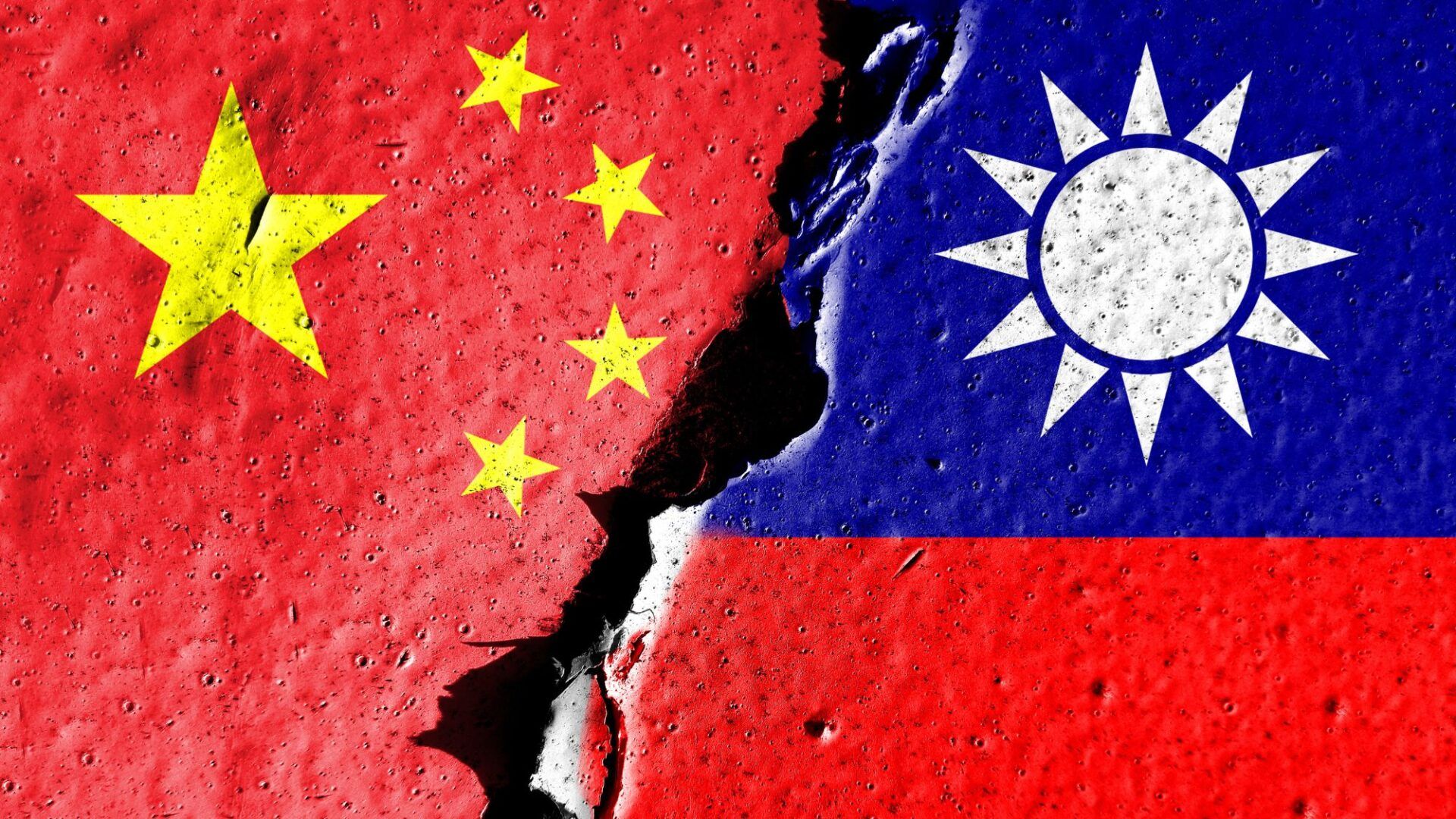
China Reaffirms Its One-China Policy, Issues Warning Regarding Taiwan Diplomatic Engagements
China has called on Nigeria and international media to respect the One-China principle, cautioning against any interactions that suggest Taiwan’s status as a sovereign state.
China has firmly reaffirmed its One China principle, asserting that Taiwan is an integral part of its territory. The country has also criticized recent international interactions involving Taiwan’s leadership and foreign media, including visits by Nigerian journalists to institutions connected to Taipei.
The comments were delivered during a policy briefing that integrated historical arguments, diplomatic claims, and cautions aimed at international media regarding Taiwan-related coverage.
The statement highlighted the recent diplomatic efforts of Taiwan’s President Lai Ching-te abroad, particularly his visit to Eswatini, where he engaged with members of the royal household. Beijing characterized the visit as an initiative aimed at enhancing Taiwan’s international standing and promoting separatist goals. Taiwan, nonetheless, persists in conducting its foreign engagements as an integral aspect of its self-governing framework, upholding unofficial relations with a select number of countries.
Chinese officials expressed concerns regarding recent engagements between a select group of Nigerian journalists and representatives from Taiwan’s external affairs, along with conversations about enhancing Taiwan’s trade presence in Nigeria. Beijing contended that these interactions undermine the established diplomatic agreements between China and nations that acknowledge the One China principle.
China’s stance is based on what it characterizes as centuries of historical rule over Taiwan. Officials referenced early administrative connections tracing back to imperial China, contending that historical records indicate the island has long been under Chinese jurisdiction.
During an event in Abuja, Ms. Dong Hairong, Counselor at the Embassy of the People’s Republic of China in Nigeria, delivered a speech that referenced significant agreements from the Second World War era, such as the Cairo Declaration (1943) and the Potsdam Proclamation (1945). These agreements asserted that Japan was to return territories seized, including Taiwan, after its defeat. Beijing asserts that Japan’s surrender and the subsequent acceptance of these terms legally affirmed Taiwan’s return to Chinese sovereignty.
She stated that after the Chinese civil war and the formation of two competing administrations in 1949, the government of the People’s Republic of China (PRC) claimed itself as the only legitimate authority representing China. The opposing government withdrew to Taiwan, resulting in the enduring political divide across the Taiwan Strait.
She referenced United Nations General Assembly Resolution 2758 (1971) as a crucial legal basis for its stance. The resolution acknowledged the People’s Republic of China as “the sole legitimate representative of China to the United Nations” and removed representatives of Chiang Kai-shek’s administration.
She contended that this resolution solidifies the One China principle within international law and eliminates any possibility for “two Chinas” or “one China, one Taiwan.” Beijing reports that over 180 countries, including Nigeria, uphold diplomatic relations with China under this framework.
She charged Taiwan’s ruling Democratic Progressive Party (DPP) with fostering “de-Sinicization” and separatist policies, as Taiwan maintains its commitment to democratic governance and a distinct political system.
The briefing highlighted Nigeria’s relationship with China, pointing out that the diplomatic ties formed in 1971 were founded on Nigeria’s acknowledgment of the One China principle.
She expressed that Nigeria has consistently acknowledged the People’s Republic of China as the only legitimate government of China and views Taiwan as part of Chinese territory. This role, it stated, establishes the basis for bilateral relations.
She warned against characterizing Taiwan in ways that suggest statehood or acknowledging official diplomatic titles that conflict with Beijing’s stance, indicating that such representations could jeopardize diplomatic relations.
She stated that Beijing’s position is grounded in historical records, international agreements, and United Nations resolutions, whereas Taiwan persists in functioning as a self-governing entity with its own political system and network of foreign relations.