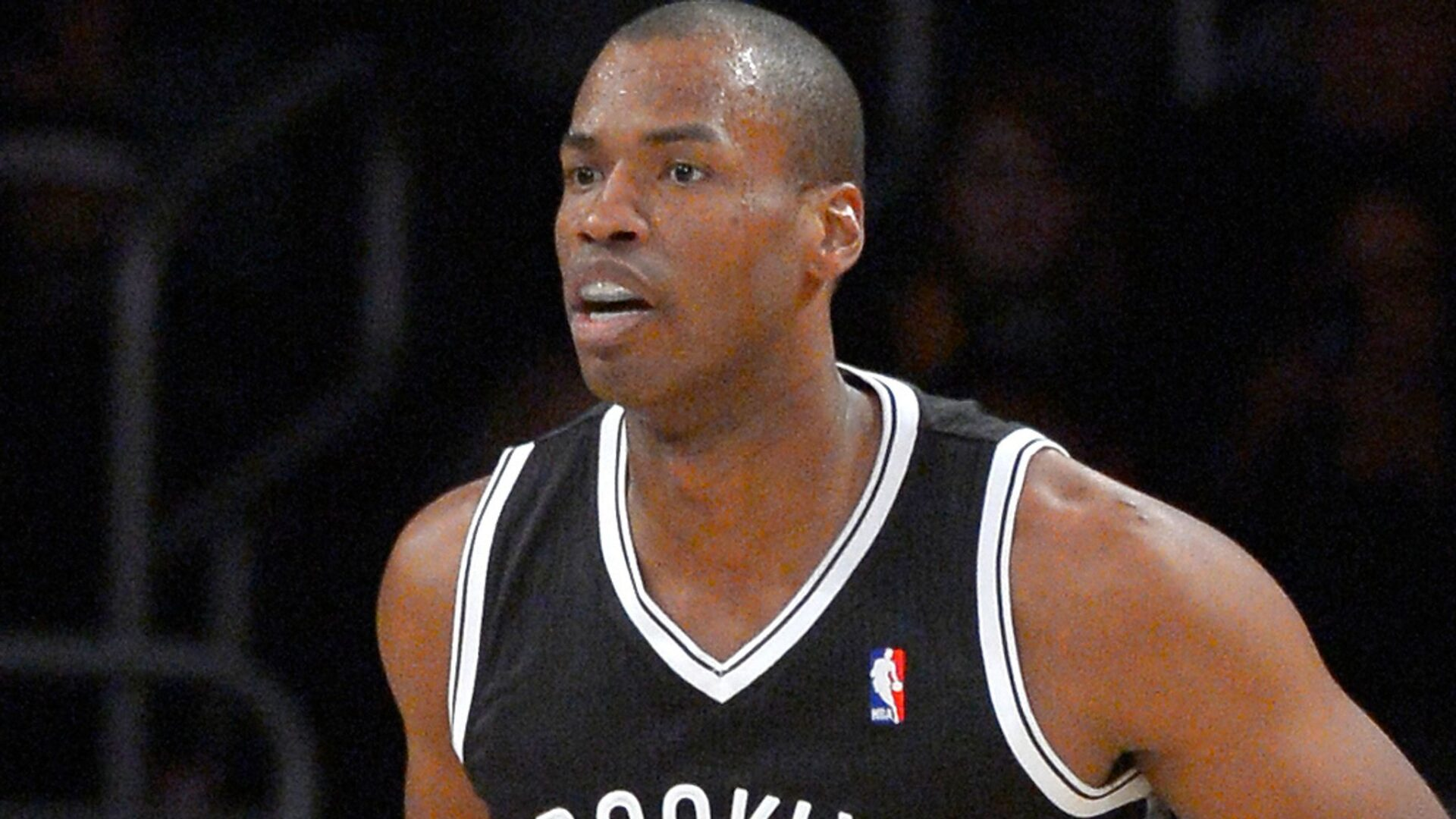
The pioneering former NBA center faced his last months in a courageous fight against glioblastoma, one of the most lethal types of brain cancer.
Jason Collins dedicated years to making sports history, yet his ultimate public struggle turned into a poignant battle against one of the most relentless cancers recognized in medicine.
The ex-NBA player passed away on Tuesday at the age of 47 after being diagnosed with glioblastoma, a rapidly progressing and frequently inoperable brain tumor known for its low survival rates among significant cancers. In late 2025, Collins disclosed his condition, explaining that he had been receiving surgeries and intensive treatment while persistently championing authenticity and visibility.
Medical experts indicate that glioblastoma arises from astrocytes, which are cells in the brain, and it is recognized as the most prevalent malignant brain tumor among adults. The cancer rapidly infiltrates adjacent brain tissue, frequently rendering complete removal unattainable even post-surgery. According to doctors, the disease can affect speech, memory, vision, mobility, and personality based on the location of the tumor.
Common symptoms often consist of intense headaches, nausea, seizures, confusion, issues with balance, and abrupt changes in cognitive function. Treatment typically includes surgery, radiation, and chemotherapy; however, glioblastoma nearly always recurs due to the presence of microscopic cancer cells that remain embedded in the brain.
After diagnosis, the average survival time generally ranges from 12 to 18 months, although outcomes can differ depending on factors such as age, tumor location, and response to treatment.
In 2013, Collins emerged as a significant cultural figure when he openly came out as gay in a pioneering essay for Sports Illustrated.
“I am a 34-year-old center in the NBA.” “I’m Black, and I’m gay,” Collins expressed at that moment.
This moment marked him as the first openly gay active player in the four major American men’s professional sports leagues, igniting a national discussion about sexuality in sports.
On Tuesday, tributes flowed in from athletes, politicians, and entertainment figures, celebrating Collins not just for his NBA career but for transforming the culture of professional athletics.
Collins retired from basketball in 2014 and subsequently became a speaker, activist, and advocate for LGBTQ visibility. In 2025, he entered into marriage with film producer Brunson Green.
His influence extended well beyond the confines of basketball courts. Jason Collins demonstrated that honesty has the power to transform an entire sports culture, even as he confronted unimaginable personal struggles behind the scenes.