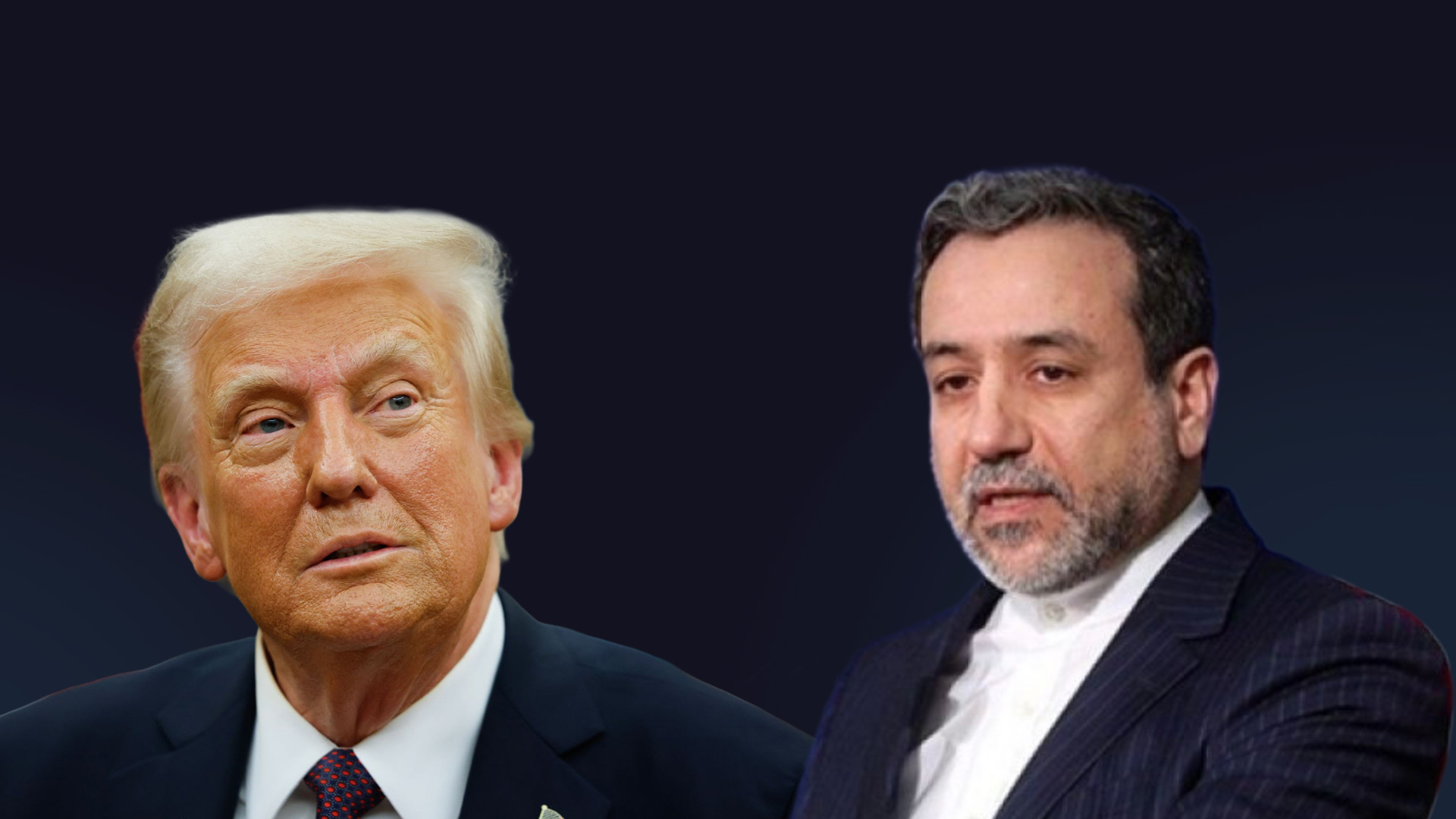
Iran advocates for a lasting conclusion to hostilities and the lifting of sanctions, while Trump dismisses Tehran’s recent proposal for a ceasefire response.
Iran has conveyed its response to the recent U.S. ceasefire proposal through Pakistani mediators, expressing a desire for negotiations aimed at a permanent end to the conflict. However, President Donald Trump swiftly dismissed it as “totally unacceptable!” without providing further details.
Iran aims to conclude the conflict on all fronts, including in Lebanon, where Israel is engaged with the Iranian-supported Hezbollah militant group, and to guarantee the safety of shipping, according to state TV. Washington’s recent proposal focused on a plan to conclude the war, reopen the Strait of Hormuz, and reverse Iran’s nuclear program.
Trump previously took to social media to accuse Tehran of “playing games” with the United States for nearly 50 years, stating: “They will be laughing no longer!”, according to AP.
The U.S. ambassador to the United Nations, Mike Waltz, stated earlier to ABC that Trump is allowing diplomacy “every chance we possibly can before returning to hostilities.”
Iran’s new supreme leader, Mojtaba Khamenei, has remained out of the public eye since the onset of the war. During a meeting with the head of the joint military command, he reportedly “issued new and decisive directives for the continuation of operations and the powerful confrontation with the enemies,” according to the state broadcaster, though no further details were provided.
The proposal from the U.S. aimed to halt hostilities prior to initiating discussions on more contentious matters, such as Iran’s nuclear program.
The semi-official Tasnim news agency in Iran reported that Tehran’s proposal encompasses an immediate cessation of hostilities on all fronts, a stop to the U.S. naval blockade, assurances against further attacks on Iran, and the removal of sanctions on Iran, which includes the U.S. ban on Iranian oil sales.
The Wall Street Journal reported, citing unnamed sources, that Iran has suggested diluting a portion of its highly enriched uranium and sending the rest to a third country.
A Pakistani official stated that Pakistan, which has been facilitating discussions regarding the war, conveyed the Iranian response to the U.S.
Even with a month-old ceasefire in place and approximately 48 hours of relative tranquility, hostile drones were spotted over multiple Gulf nations on Sunday, highlighting the ongoing threat to the region.
As Trump prepares for his visit to China this week, there is increasing pressure to bring an end to the war, which has sparked a global energy crisis and presents a rising threat to the world economy.
Tehran has significantly obstructed non-Iranian shipping in the narrow Strait of Hormuz, a vital route that previously transported one-fifth of the world’s oil supply and has become a key focal point in the conflict.
In response to the question of whether combat operations against Iran had concluded, Trump stated in remarks broadcast on Sunday: “They are defeated, but that doesn’t mean they’re done.”
Israeli Prime Minister Benjamin Netanyahu stated that the conflict is not concluded, as there remains “more work to be done” in order to eliminate enriched uranium from Iran, dismantle enrichment facilities, and tackle Iran’s proxies and ballistic missile capabilities.
Netanyahu stated in an interview with CBS News’ “60 Minutes” that the most effective method for removing the enriched uranium would be through diplomacy, while not dismissing the possibility of using force.