The US and Iran are engaged in clashes in the Gulf as the ceasefire shows signs of strain, marked by renewed exchanges of fire and escalating tensions in crucial waterways.
On Saturday, clashes escalated as both sides engaged in gunfire near the Strait of Hormuz, a vital global shipping lane. Intelligence reports indicated that Iran might endure prolonged economic strain, even in the event of a naval blockade.
In recent days, the most significant flare-ups have occurred since the ceasefire commenced a month ago, with renewed attacks reported in the Gulf and the United Arab Emirates also facing assaults.
Regional reports indicate that sporadic exchanges persisted between Iranian forces and US naval assets operating near the Strait of Hormuz. Outlets associated with the Iranian state, such as Fars News Agency, reported that the situation escalated momentarily before settling down, although officials cautioned that additional confrontations could still occur.
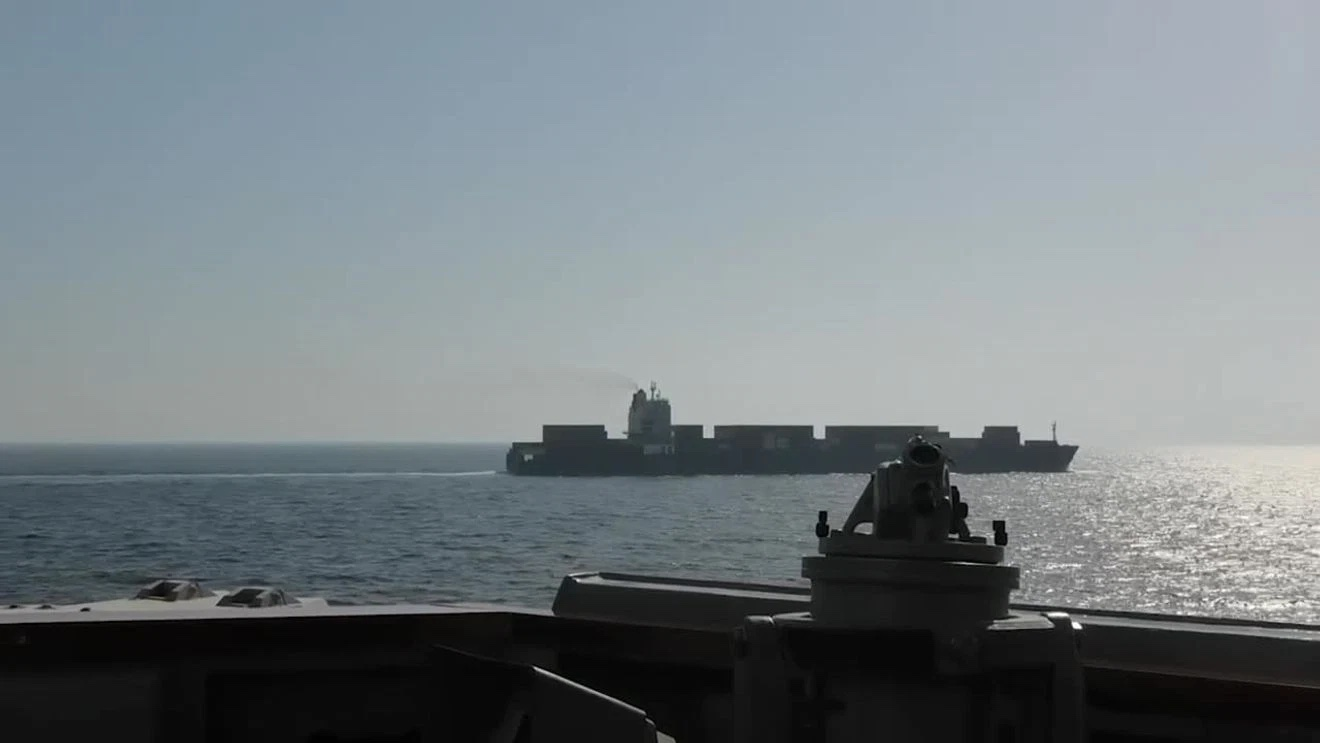
The US military has confirmed that it targeted two vessels linked to Iran as they attempted to approach an Iranian port, stating that a fighter jet struck their smokestacks, compelling them to retreat.
Since the conflict commenced with US-Israeli airstrikes on Iran on February 28, Iran has notably disrupted non-Iranian commercial shipping in the Strait of Hormuz. The waterway, typically responsible for transporting approximately one-fifth of the world’s oil supplies, continues to be a significant point of contention.
A US intelligence assessment, as reported by officials, indicated that Iran might be able to maintain resistance to a naval blockade for several months, which could potentially restrict Washington’s leverage. An official from the intelligence community rejected certain elements of the report as incorrect.
The conflict extended to the Gulf states as well. The United Arab Emirates reported that its air defense systems successfully intercepted two ballistic missiles and three drones that were launched from Iran, resulting in injuries to at least three individuals during the incident.
Iran has consistently aimed its efforts at Gulf states that host US military installations, and tensions have escalated further after Washington unveiled “Project Freedom,” which is designed to escort commercial shipping through the Strait of Hormuz.
Iranian Foreign Minister Abbas Araqchi criticized the United States for sabotaging diplomatic efforts, asserting that military action was consistently preferred over dialogue. According to Iran’s Mehr News Agency, there were reported casualties after a US strike on an Iranian commercial vessel; however, these claims have not been independently verified.
The United States has faced challenges in garnering widespread international support for its strategy. Washington has called on allies, including Italy, to back initiatives aimed at securing maritime routes, cautioning that there could be global repercussions if Iran continues to exert influence over the strategic waterway.
In addition to military pressure, the US has escalated economic sanctions. The Treasury Department has unveiled new measures aimed at individuals and firms in China and Hong Kong that are alleged to be supporting Iran’s weapons procurement network, especially in connection with drone production.
As both parties continue to exchange accusations and hostilities persist, diplomatic initiatives remain stagnant, the ceasefire becomes increasingly precarious, and the threat of a broader conflict in the Gulf remains.