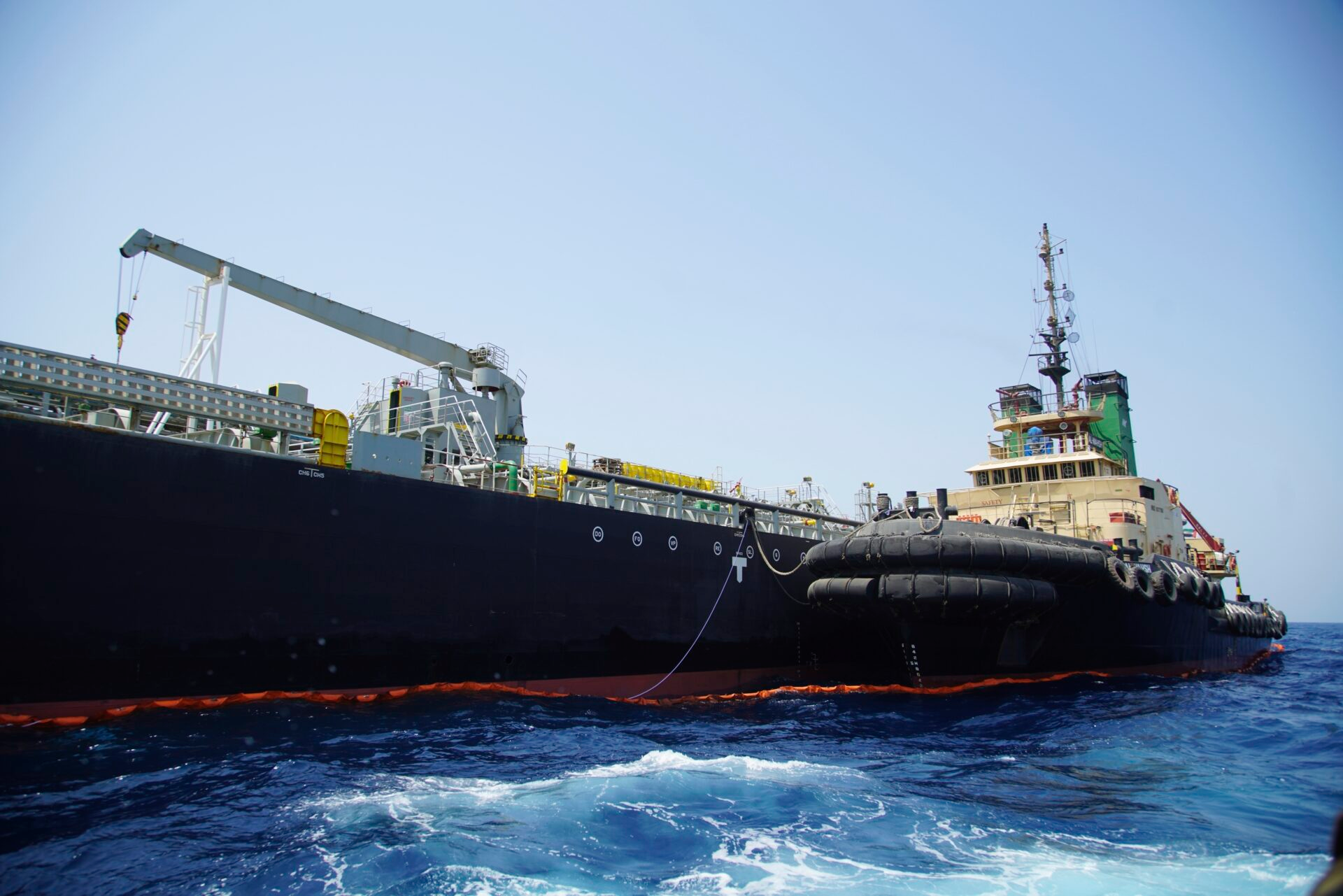
UAE discreetly transports crude oil via Hormuz with tracking devices turned off, as regional conflicts interrupt global oil supplies.
Despite threats of Iranian attacks, the United Arab Emirates has been discreetly transporting oil tankers through the Strait of Hormuz, as indicated by shipping data and industry sources.
Numerous tankers transporting crude oil from the UAE navigated the crucial waterway with their tracking systems disabled, seemingly to evade detection by Iranian forces amid the ongoing conflict in the Middle East.
The secretive shipments underscore the increasing pressure on Gulf producers to maintain oil production as regional tensions impact global energy markets.
According to sources familiar with the operations, at least four tankers carrying millions of barrels of crude departed from terminals within the Gulf in April.
The shipments comprised Upper Zakum and Das crude oil exported by the Abu Dhabi National Oil Company, commonly referred to as ADNOC.
Oil was transferred between ships outside the strait before proceeding to refineries in Southeast Asia and South Korea, while other cargoes were directed into storage facilities in Oman.
According to industry analysts, ship-to-ship transfers enable exporters to divide cargoes into smaller volumes, facilitating the swift return of large vessels to the Gulf for further loading.
The shipments arrive after Tehran has effectively limited access through the Strait of Hormuz in response to the escalation of the US-Israeli conflict with Iran earlier this year.
The disruption has confined substantial amounts of Gulf oil and driven global crude prices over $100 per barrel.
The Strait of Hormuz continues to be a crucial oil chokepoint globally, transporting approximately one-fifth of the world’s oil and gas supplies.
According to data from shipping intelligence firm Kpler, there has been a significant decline in the UAE’s oil exports since the onset of the conflict.
ADNOC is believed to have cut exports by over one million barrels per day in comparison to earlier levels.
A tanker named the Hafeet is said to have loaded two million barrels of Upper Zakum crude before navigating the strait with its tracking systems turned off.
The cargo was subsequently transferred to another vessel, the Olympic Luck, which successfully delivered the oil to a refinery in Malaysia that is jointly operated by Petronas and Saudi Aramco.
Additional tankers transporting UAE crude were monitored making their way to South Korea.
The employment of disabled transponders reflects strategies frequently utilized by Iran to circumvent sanctions on its oil exports.
This method complicates the ability of commercial tracking systems to accurately assess the actual volume of oil movements in the Gulf.
This week, the risks involved were highlighted as the UAE accused Iran of carrying out a drone attack on an empty ADNOC tanker navigating through the Strait of Hormuz.
Sources indicate that ADNOC intends to persist in selling oil from terminals within the Gulf, despite the associated risks, and it is currently engaged in discussions with Asian buyers regarding future cargoes.