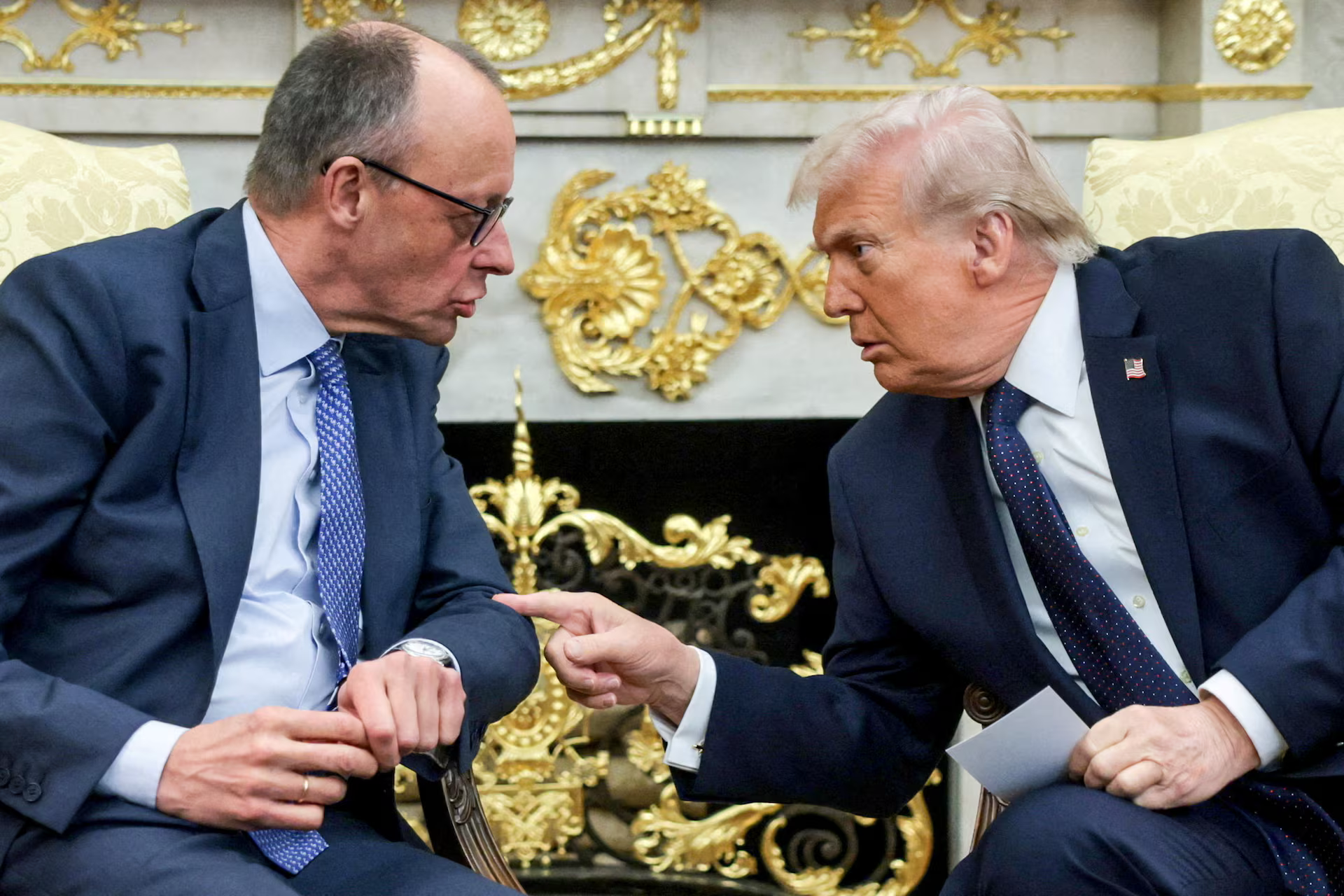
German Chancellor Friedrich Merz stated on Saturday that Europe aims to ensure the continued functionality of the NATO alliance, even in light of the differences with the United States highlighted by the Iran war.
The relationship between U.S. President Donald Trump’s administration and European NATO partners has sparked concerns regarding the future of NATO.
The tensions have escalated following U.S. criticism of Europe regarding defense spending and immigration policy. This strain has intensified after Germany and other European nations declined to back the U.S. and Israeli military actions against Iran that commenced at the end of February. “We are truly committed to sustaining this alliance for the future,” Merz stated during a press conference alongside Swedish Prime Minister Ulf Kristersson. He also mentioned that Sweden and Finland had bolstered the European pillar of the alliance. “We recognize that there are some differences.” “We recognize the challenges we all face, but our ultimate objective is to resolve this conflict and ensure that Iran cannot develop nuclear weapons,” Merz stated. Both America and Europe share this objective.
Trump has specifically identified Germany.
Following Merz’s statement last month that Iran was “humiliating” the U.S., Trump responded by ordering the withdrawal of 5,000 U.S. troops and canceling the planned deployment of long-range Tomahawk missiles.
Merz emphasized that the primary concern was not the number of troops, but rather “unity of purpose,” asserting that it is in the U.S. interest to maintain a robust European component within NATO.
“We continue to be genuinely interested in having the support of the American army and the American military on our side,” he stated. “Such unity is something we have in common, and we are currently working to achieve it.”
Following years of disregard, European nations, notably Germany, are investing billions to restore their military capabilities due to a perceived threat from Russia, which Merz indicated in a speech earlier on Saturday poses an immediate risk to Europe.
While Russian President Vladimir Putin participated in a parade in Moscow commemorating the Soviet Union’s victory over Nazi Germany in World War Two, Merz expressed his disappointment regarding Slovakian Prime Minister Robert Fico’s reported decision to attend the parade, stating that he would discuss “this day in Moscow” with Fico.
Despite arriving in Moscow, Fico stated that he kept his distance from the parade itself.