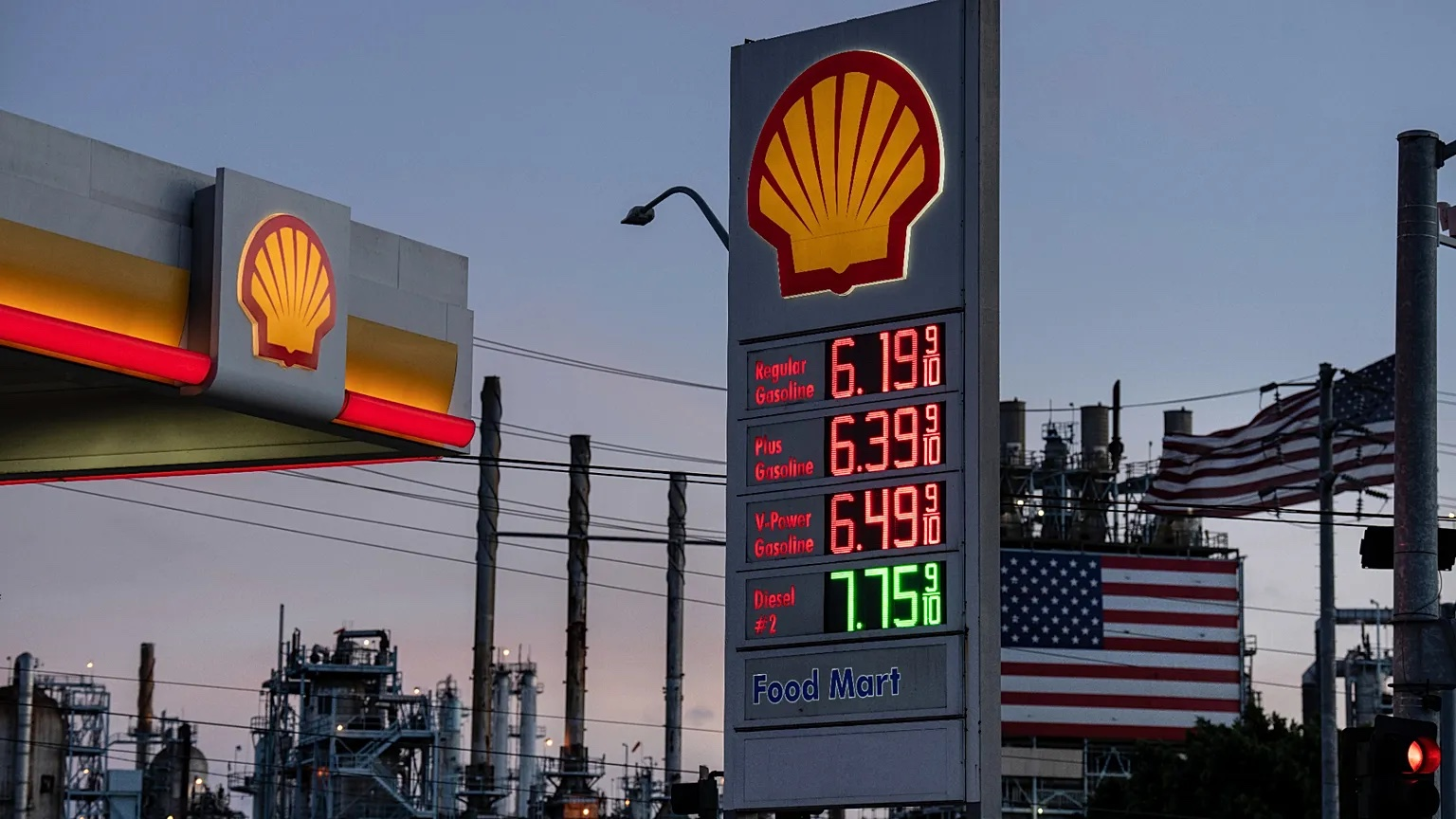
Shell has reported first-quarter profits that exceeded expectations, driven by rising energy prices due to the Iran war, which enhanced earnings in the global oil market.
On Thursday, Shell announced a first-quarter profit that exceeded expectations, driven by rising energy prices due to the ongoing conflict in Iran and significant disruptions in global energy markets.
The British energy giant reported adjusted earnings of $6.92 billion for the first quarter of the year, exceeding analyst expectations of $6.1 billion, as per a consensus compiled by LSEG. An independent analyst forecast from the company had estimated first-quarter profit to be $6.36 billion.
The most recent result showed a significant rise from the $5.58 billion noted during the corresponding period last year and more than doubled the $3.26 billion reported in the last quarter of 2025.
In discussing the performance, Shell Chief Executive Officer Wael Sawan noted that the company’s results demonstrated its operational resilience amid the turbulence in global energy markets.
“Shell achieved impressive results driven by our unwavering commitment to operational performance during a quarter characterized by extraordinary disruption in global energy markets,” Sawan stated.
Shell has opted to decrease the pace of its quarterly share buyback programme to $3 billion, down from the prior $3.5 billion, despite reporting stronger earnings.
The company announced a 5% increase in its dividend to $0.3906 per share, indicating confidence in its financial position despite ongoing geopolitical tensions that are unsettling markets.
Shell’s earnings arrive as significant energy companies keep profiting from increasing fossil fuel prices after the onset of the U.S.- and Israeli-led conflict with Iran on February 28.
The conflict has caused extended disruption in the strategically important Strait of Hormuz, a vital shipping route for global oil and gas supplies.
The International Energy Agency has characterized the current situation as “the biggest energy security threat in history,” cautioning that ongoing instability in the region may lead to significant repercussions for global energy supply and pricing.