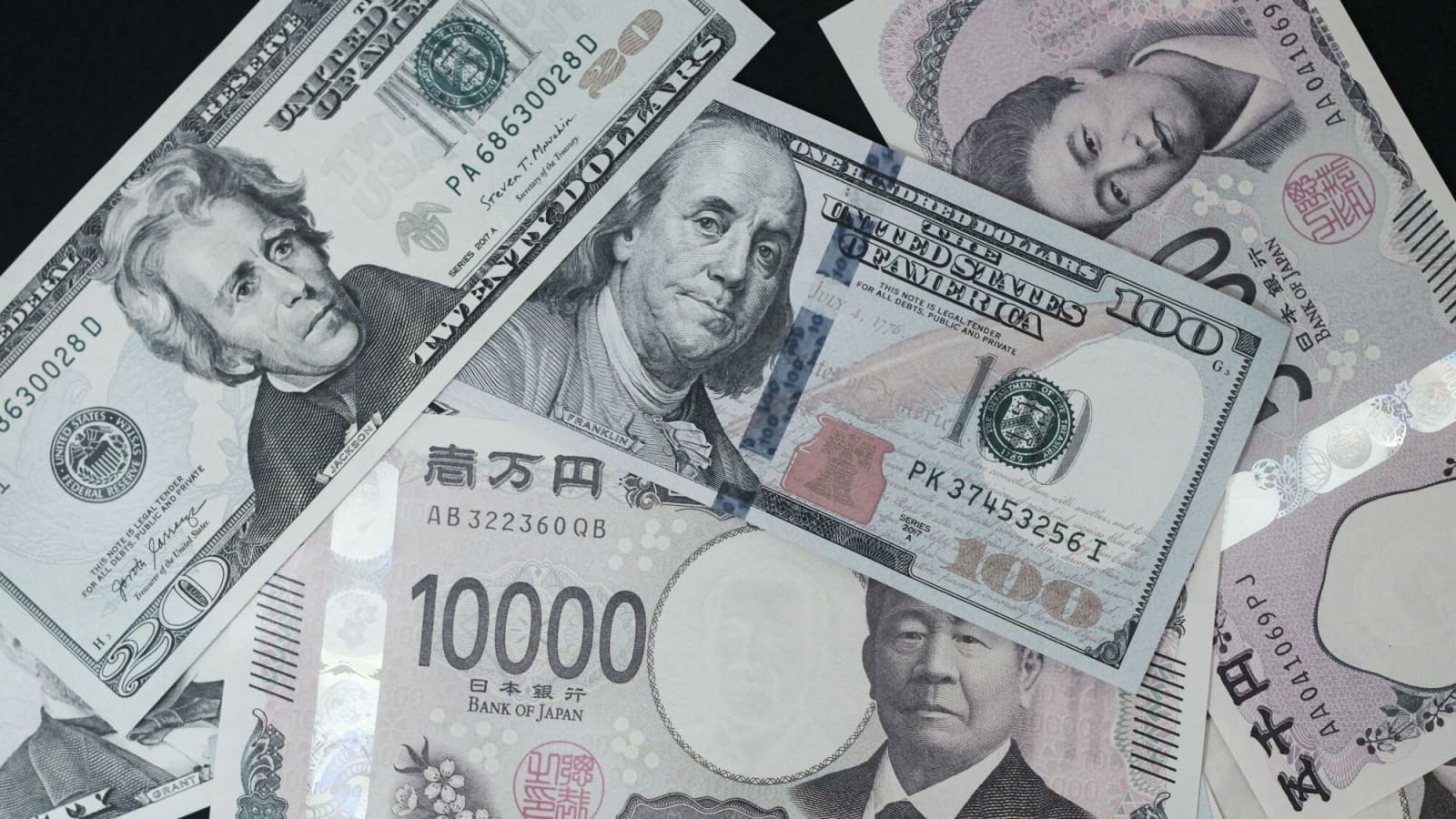
The dollar declines as optimism surrounding the Iran deal increases, while the yen surges amid suspected intervention, resulting in significant volatility in the forex market.
The dollar experienced a significant decline against the Japanese yen, which rose to its highest level in over two months, as traders prepared for potential measures from Tokyo aimed at controlling excessive currency fluctuations.
The decision was made amid a general weakening of the dollar, following indications from Washington that there may be advancements toward a diplomatic resolution with Iran.
The yen surged by as much as 1.8% during intraday trading, momentarily driving the dollar down to approximately 155 yen, marking its lowest point since late February. The abrupt change ignited market speculation that Japanese authorities might intervene once more to stabilize the currency after issuing repeated warnings against speculative trading.
Japanese Finance Minister Satsuki Katayama emphasized earlier this week that authorities are ready to implement “decisive measures” in response to disorderly movements in the foreign exchange market, highlighting Tokyo’s increasing worry about the weakness of the yen. The Ministry of Finance refrained from commenting on the sharp currency movement observed on Wednesday, as markets noted the absence of official confirmation attributed to a local holiday.
Analysts indicate that Japan’s attempts to bolster the yen are being hindered by external factors, such as high US Treasury yields and ongoing strength in oil prices, both of which typically enhance demand for the dollar. A strategist observed that, although intervention may provide immediate relief, the overarching macroeconomic conditions persist in hindering a lasting recovery of the yen.
In other currency markets, the majority of major counterparts appreciated against the dollar as geopolitical events contributed to a change in sentiment. US officials indicated a temporary halt in specific maritime security operations associated with tensions in the Strait of Hormuz, referencing advancements toward a wider agreement with Iran.
The announcement came after comments from the US Secretary of State, suggesting that Washington had successfully met important goals in its recent military operations, which may have contributed to the easing of tensions in the region and influenced the appreciation of other currencies against the dollar.
Oil prices reacted by declining, with Brent crude falling over 2.5% to approximately $106 a barrel, alleviating some concerns regarding inflationary pressures, though still high by historical measures.
The euro increased by 0.4% to $1.1735, and the British pound similarly rose by 0.4% to $1.3598. The Australian dollar excelled, reaching its peak in four years following the Reserve Bank of Australia’s third rate increase of the year, bringing it to approximately $0.724.
Focus is now directed towards the forthcoming US nonfarm payrolls data, which traders will examine closely for indications of labor market strength. A robust reading might bolster expectations that the Federal Reserve will maintain steady interest rates, whereas weaker data could reignite speculation regarding possible rate cuts later in the year.