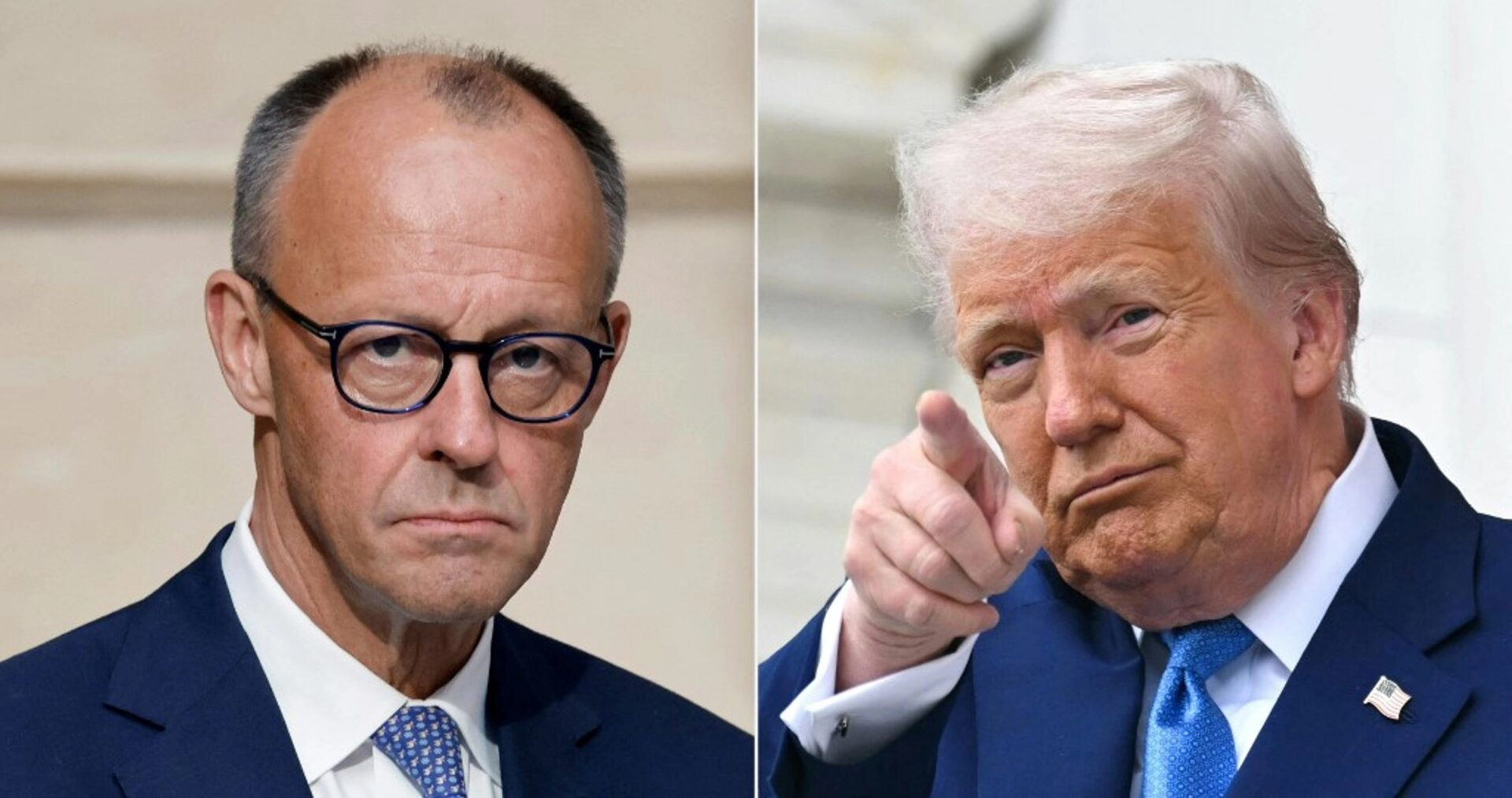
Trump’s decision to reduce troop levels in Germany casts uncertainty on the United States’ dedication to NATO and the collaborative security efforts in Europe.
European officials indicate that attempts to ensure the United States remains firmly committed to the North Atlantic Treaty Organization are encountering new challenges following Donald Trump’s directive to reduce American troop levels in Germany.
The announcement on Friday regarding the withdrawal of approximately 5,000 US troops has highlighted the increasing tensions between Washington and its European allies, especially concerning the ongoing conflict in Iran and the issue of burden-sharing within the alliance.
NATO officials were not taken aback by the essence of the move, considering the ongoing demands for Europe to assume greater responsibility for its defense; however, the way it was carried out has caused concern. European leaders have expressed that there was minimal prior consultation, while US officials have connected the decision to remarks made by German Chancellor Friedrich Merz regarding Washington’s management of the conflict, indicating a potential rift in transatlantic relations and raising questions about future cooperation on security matters.
German lawmaker Siemtje Moeller cautioned that the action conveys a concerning political message regarding the dependability of enduring alliances, implying that established partnerships could now face sudden changes in policy.
There is growing concern regarding the cancellation of plans to deploy long-range US Tomahawk missiles to Germany, an agreement that was established under former President Joe Biden. The reversal underscores changing US priorities as military resources are shifted toward the Iran conflict.
Strains have intensified due to Trump’s claims that European allies are insufficiently supporting the United States in the war, coupled with hints that Washington might reevaluate its commitment to NATO’s collective defense clause.
The alliance has encountered further tension after Trump’s contentious comments regarding the acquisition of Greenland from Denmark, a fellow NATO ally. While NATO Secretary General Mark Rutte played a role in alleviating immediate tensions, diplomats indicate that the fundamental disputes continue to be unresolved.
European officials are increasingly concerned about potential disruptions as they approach a summit of NATO’s 32 leaders set for July in Ankara, especially if the conflict in Iran persists.
Although there are frustrations, defense experts assert that Europe has limited options and must continue to foster strong connections with Washington, given its dependence on US military capabilities as a deterrent against Russia.
To reassure the United States, several European nations, including Britain, France, Germany, and Italy, have maintained their logistical and operational support during the Iran campaign, despite significant public opposition to the war throughout the continent.
Simultaneously, European leaders are articulating a wider argument regarding the strategic significance of NATO, highlighting their roles in potential post-war missions, such as securing the Strait of Hormuz.
Nonetheless, the divisions within Europe have become increasingly evident. Countries in Western Europe, including France, Germany, and Spain, have expressed their criticism of the war, whereas Eastern members, wary of Russia, have adopted a more reserved approach.
Rutte has warned against anti-war rhetoric, stating that it could jeopardize alliance unity during this crucial time.
As NATO faces one of its most challenging periods in recent years, diplomats emphasize that the immediate priority is to maintain cohesion ahead of the upcoming summit, despite the ongoing uncertainty regarding US commitment.