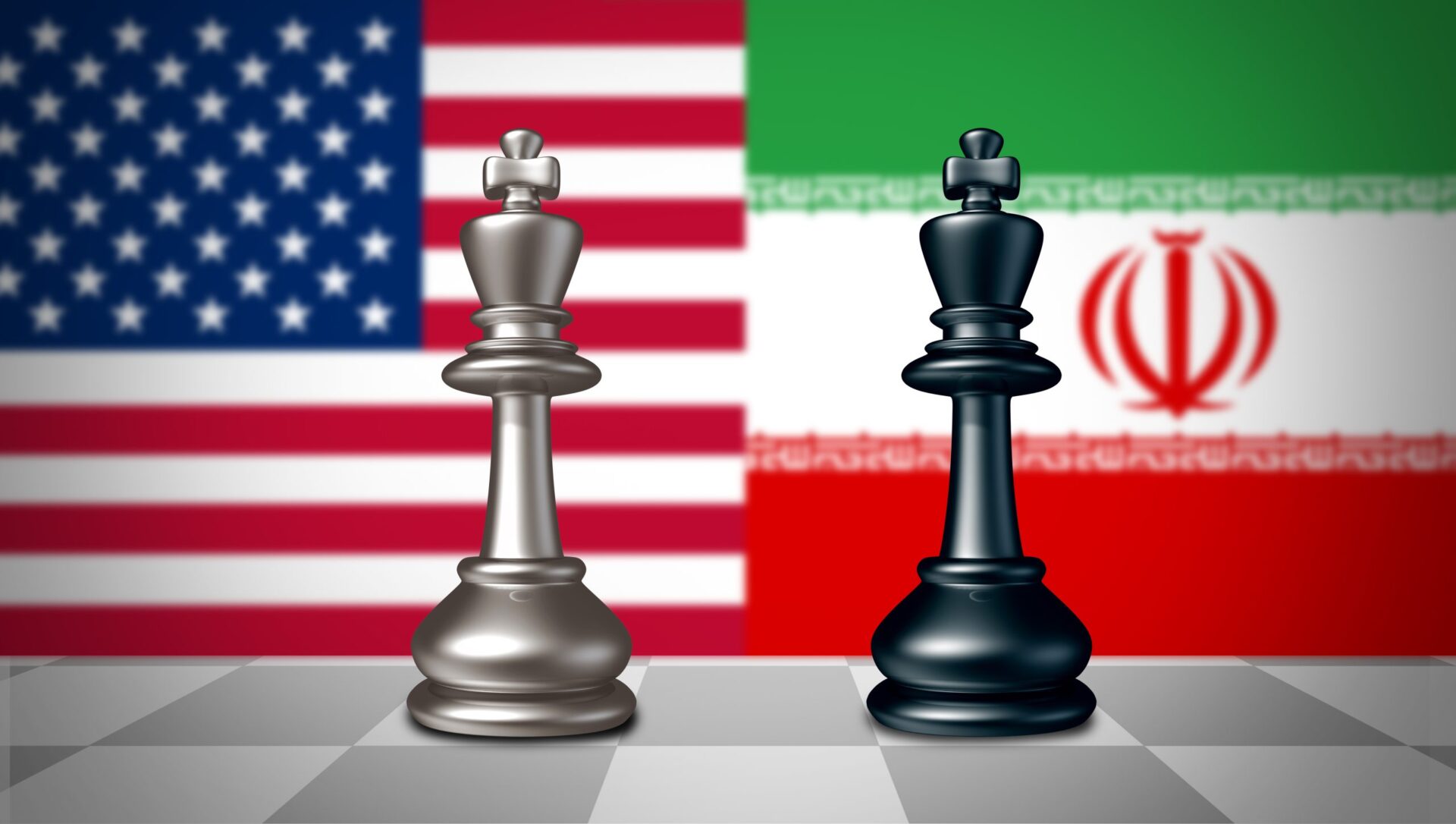
UAE has leveled accusations against Iran regarding missile and drone attacks, jeopardizing a fragile ceasefire with the United States.
Tensions in the Gulf escalated significantly on Monday when the United Arab Emirates accused Iran of conducting missile and drone attacks, heightening concerns that a fragile ceasefire with the United States might unravel.
The Defense Ministry of the UAE stated that “our air defenses are currently addressing missile attacks and incoming drones from Iran,” further noting that “the sounds heard in various parts of the country are due to the UAE air defense systems intercepting ballistic missiles, cruise missiles, and drones.”
It was further revealed that “our defense systems engaged 12 ballistic missiles, three cruise missiles, and four drones,” highlighting that the attacks led to “three moderate injuries.”
The UAE’s Foreign Affairs Ministry, in a separate statement, reported that the injured individuals were foreign nationals, specifically noting that “the three injured people are Indian nationals.” The ministry condemned “in the strongest terms the renewed terrorist, unprovoked Iranian attacks targeting civilian sites and facilities in the country using missiles and drones.”
The escalation has introduced additional pressure on an already delicate ceasefire between Washington and Tehran, which commenced on April 8. The situation escalated as U.S. forces encountered direct confrontations with Iranian assets in the strategically significant Strait of Hormuz.
U.S. Central Command reported that “American forces eliminated six small Iranian boats that were attempting to interfere with commercial shipping movements.” However, Iranian state media refuted this claim, asserting that no such vessels had been destroyed.
In an interview with Fox News, former U.S. President Donald Trump delivered a strong message to Tehran, stating that Iran would be “blown off the face of the earth” if it attacks U.S. ships safeguarding commercial vessels in the strait.
Trump claimed that “a South Korean cargo ship had come under fire from Iran in the waterway,” further stating in a Truth Social post, “perhaps it’s time for South Korea to come and join the mission!”
Amid escalating tensions, Trump refrained from officially declaring the ceasefire broken, with reports suggesting he sidestepped confirming any violations of the agreement.
The confrontation occurred within a day of Trump unveiling “Project Freedom,” which he characterized as an initiative aimed at liberating vessels that have been trapped due to Iran’s effective blockade of the Strait of Hormuz.
In the meantime, a social media account associated with Iran’s Islamic Revolutionary Guard Corps seemed to recognize the strikes, sharing footage it asserted depicted “drone and missile attacks executed by the IRGC Cyber Corps,” which included what it referred to as “the aftermath of a drone attack on the UAE’s Port of Fujairah” and “a ship ablaze following a missile strike.”
Officials in major UAE cities, such as Dubai and Abu Dhabi, have released emergency notifications advising residents that “in light of the current situation and potential missile threats, please seek refuge in the nearest secure building.”
The UAE subsequently declared a one-week restriction on its airspace, causing disruptions in commercial aviation as global markets responded with unease. Stock indices experienced a significant decline, while oil prices rose sharply due to concerns that the conflict might further destabilize the global economy.