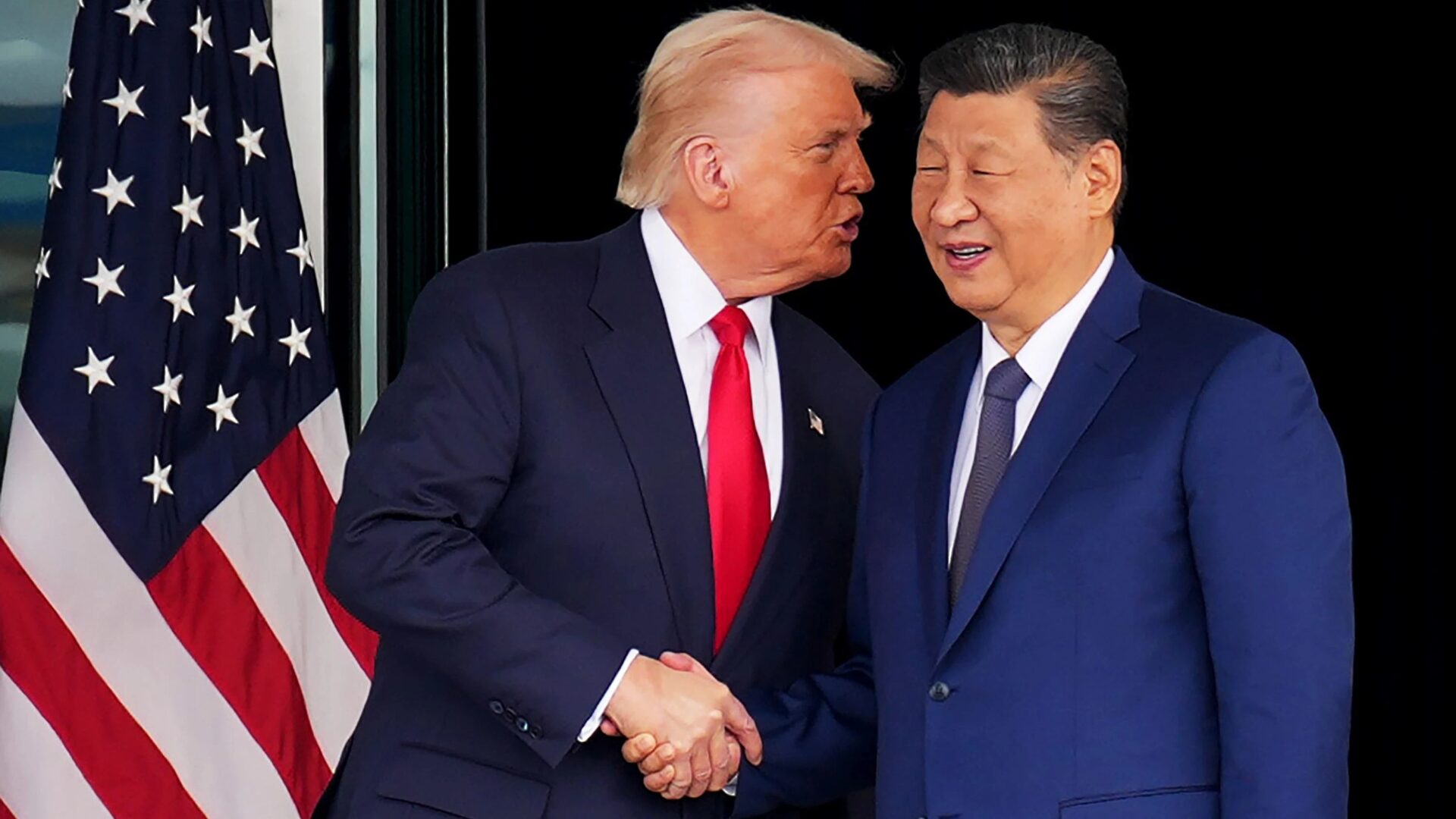
China intensifies its diplomatic efforts regarding the Iran conflict while preparing for a summit between Xi and Trump that will center on trade, Taiwan, and stability.
China is intensifying its initiatives to bring an end to the Iran war, carefully managing its diplomatic approach as it gears up for a summit with US President Donald Trump, all while striving to maintain a positive relationship with Iran.
President Xi Jinping’s mid-May meeting with Trump is influencing Beijing’s strategy regarding the Middle East conflict, as the world’s largest crude oil importer, dependent on the region for half of its fuel, aims to protect its energy supplies, analysts suggest.
China’s strategic response has preserved its covert influence, as evidenced by Trump’s recognition of Beijing’s role in facilitating Iran’s involvement in the recent peace talks in Pakistan.
“President Trump has often remarked on the discussions between the Chinese and the Iranians,” stated Eric Olander. “That places them alongside negotiators, even if they don’t have a seat at the table.”
China aims to promote its trade interests and assert its claims on Taiwan during the summit, with sources characterizing Trump as someone who is transactional and receptive to flattery.
One individual stated that the prevailing perspective in Beijing is to “flatter him, extend a red-carpet welcome, and maintain strategic stability.”
The Foreign Ministry of China did not provide answers to inquiries prior to the summit, marking the first visit by a US president in eight years, set for May 14 and 15.
In light of an escalating threat posed by a US naval blockade of Iranian ports, China has ramped up its diplomatic efforts while steering clear of harsh critiques regarding Trump’s management of the conflict, all to facilitate a seamless summit, analysts suggest.
Xi addressed the crisis with a four-point peace plan emphasizing peaceful coexistence, national sovereignty, adherence to international law, and the need to balance development with security.
Following Trump’s warning to Iran that “the entire country can be taken out in one night,” Chinese Foreign Ministry spokesperson Mao Ning expressed a measured response, stating that China was “deeply concerned” and calling on all parties to take a “constructive role in de-escalating the situation.”
Foreign Minister Wang Yi has engaged in nearly 30 calls and meetings to pursue a ceasefire, and special envoy Zhai Jun has traveled to five Gulf and Arab capitals.
While traveling by road to circumvent contested airspace, Zhai noted that he could hear air-raid sirens.
During a meeting with Khaled bin Mohamed bin Zayed Al Nahyan, Xi presented his peace plan, as China strengthened its relationship with a regional rival to Iran while promoting dialogue with Tehran.
Cui Shoujun stated that China’s approach is evolving, with a notable shift in both urgency and tactical intervention as the war continues, particularly in its efforts to mediate between Iran and other regional powers.
Some analysts suggest that Iran relies increasingly on China, enabling Beijing to advocate for a ceasefire while protecting its objectives at the summit.
Drew Thompson stated, “Beijing’s ideal outcome is to maintain relationships with anti-Western countries like Iran without any conditions, while also preserving its opportunity to establish some form of modus vivendi with the US.”
Although China played a role in facilitating talks with Iran, its influence is constrained by the absence of a military presence in the Middle East to support its diplomatic efforts.
Patricia Kim stated, “Although the Iranians are eager to emphasize their relationship with China and have requested Beijing to act as a guarantor of a ceasefire, Beijing has shown no interest in assuming such a role.” “Beijing seems satisfied to stay on the sidelines while the United States endures the majority of the pressure.”
During the summit, China is likely to agree to acquire aircraft from Boeing and increase agricultural imports, with discussions anticipated to concentrate specifically on trade and stability.
“There is no possibility that China will achieve any kind of significant agreement with the United States,” stated Scott Kennedy.