Japan pledges $10 billion to assist Asian countries in securing oil supplies amid regional energy concerns triggered by disruptions in Hormuz.
Japan has committed $10bn (£7.4bn) to assist Asian nations facing energy supply challenges due to the Iran crisis, particularly addressing the increasing vulnerability of Southeast Asia to oil shortages.
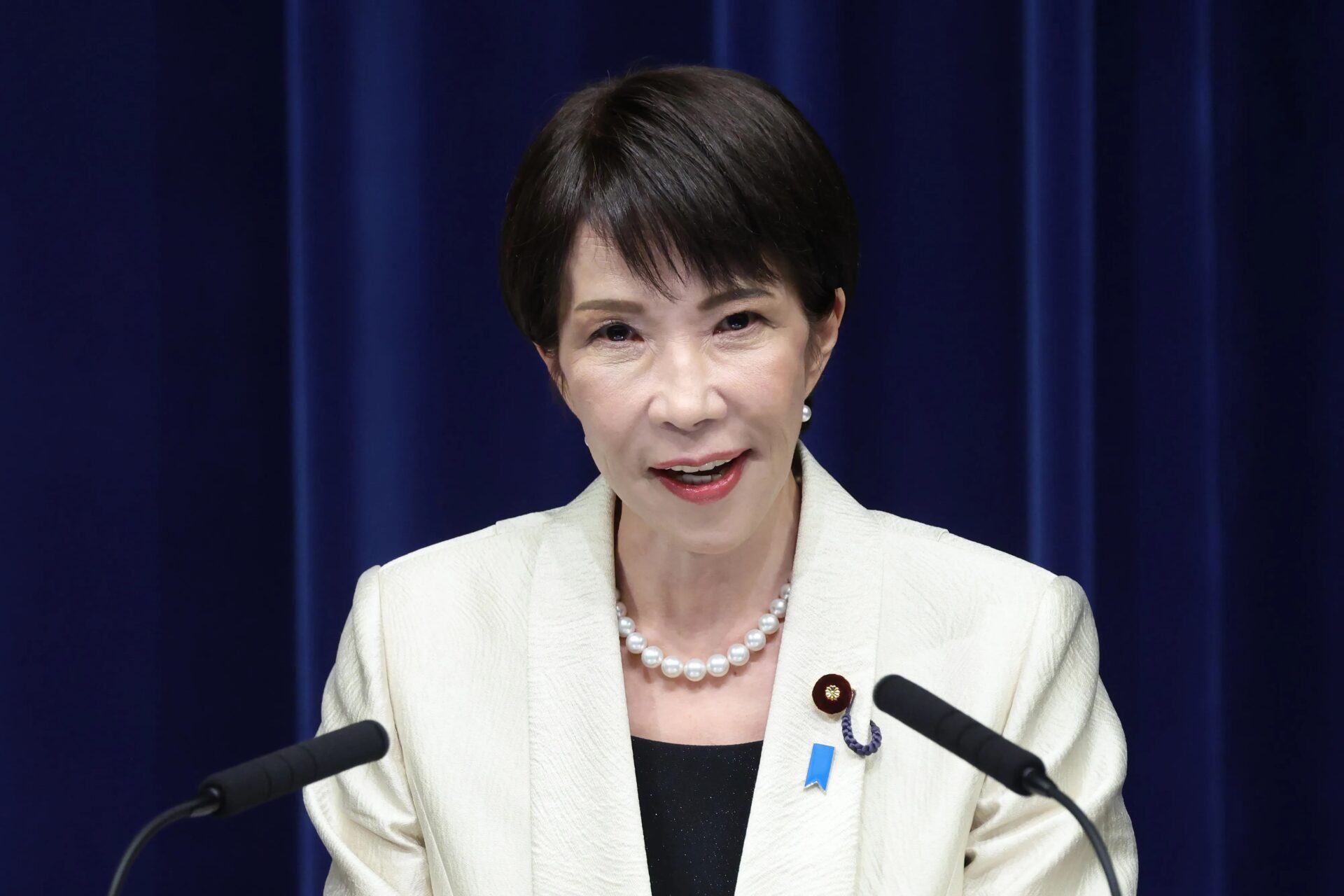
On Wednesday, Prime Minister Sanae Takaichi announced the funding after a virtual meeting with regional leaders, revealing a cooperation framework designed to enhance energy security throughout Asia.
The initiative aims to assist countries in acquiring crude oil and petroleum products, ensuring the stability of supply chains, and enhancing emergency stockpiles, particularly as the region confronts considerable threats from disruptions in the Strait of Hormuz.
“Japan maintains a strong interconnection with every Asian country via supply chains and shares mutual dependencies with them,” Takaichi stated during a press briefing.
Asia is significantly vulnerable to supply disruptions, as almost 90% of oil and gas passing through the Strait of Hormuz is intended for the region.
Japan’s foreign ministry states that the $10 billion package is approximately equal to a year’s supply of crude oil imports for the members of the Association of Southeast Asian Nations.
During the meeting, leaders from countries such as the Philippines, Malaysia, Singapore, Thailand, Vietnam, Bangladesh, and South Korea expressed their support for the initiative.
Funding will be obtained from various institutions, such as the Japan Bank for International Cooperation, Nippon Export and Investment Insurance, the Japan International Cooperation Agency, and the Asian Development Bank.
Takaichi stated that the program would not jeopardize Japan’s domestic energy requirements. By the close of 2025, the nation possessed oil reserves adequate for 254 days of consumption, though officials have started utilizing these reserves in light of the ongoing crisis.
Last month, Japan released a record supply of oil equivalent to 50 days and intends to release another 20 days’ worth in early May.
There are growing concerns regarding possible shortages of naphtha, a petrochemical sourced from crude oil that plays a vital role in the production of plastics utilized in medical supplies like syringes, gloves, and dialysis equipment.
Even with Takaichi’s assurances that there will be no immediate disruptions, concerns remain that shortages could exacerbate the strain on Japan’s healthcare system, which is already challenged by an aging population.
In Southeast Asia, governments are addressing increasing energy costs by promoting conservation efforts, such as minimizing air-conditioning usage and encouraging carpooling. The Philippines has announced a national energy emergency.
During the same summit, Philippine President Ferdinand Marcos Jr stressed the need for enhanced regional coordination.
“No individual nation in Asia can shield itself from supply chain disruptions of this magnitude by acting independently,” he stated.