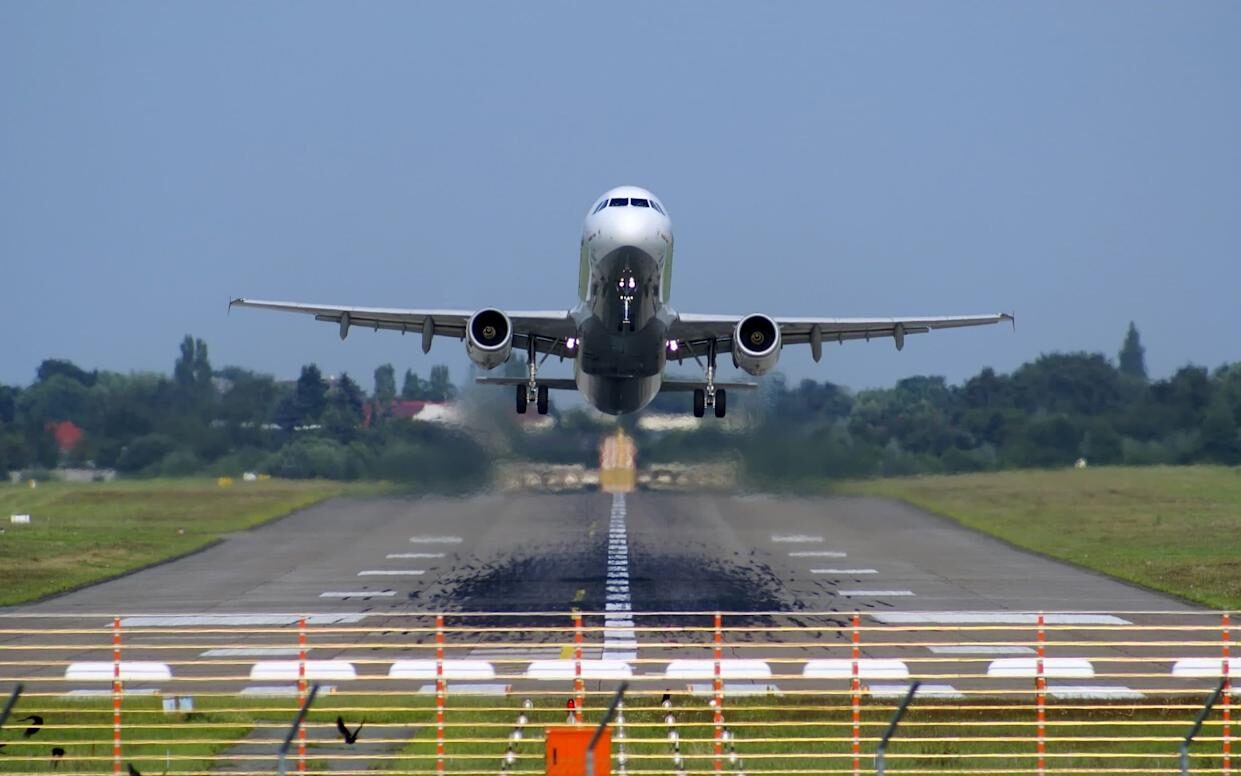
EU is taking steps to ensure a stable supply of jet fuel as the crisis in Iran affects imports, increasing the likelihood of flight cancellations throughout Europe.
The European Union is gearing up to implement emergency measures in response to an impending jet fuel shortage, as the crisis in Iran poses a risk to air travel throughout Europe just before the busy summer.
Officials announced that the European Commission is preparing plans to optimize refinery output and guarantee that current facilities function at their maximum capacity. A proposal reviewed by Reuters suggests that starting next month, the EU will initiate comprehensive monitoring of refining capacity across the bloc and implement measures “to ensure that existing refining capacity is fully utilized and maintained.”
European airlines have cautioned that jet fuel shortages may arise in the coming weeks as a result of the ongoing conflict involving Iran, which has affected supplies through the vital Strait of Hormuz. Europe depends on the Middle East for approximately 75% of its jet fuel imports, resulting in greater vulnerability compared to other transport fuels.
Jet fuel prices have risen sharply due to the blockage of the strait, leading airlines to caution about possible fare hikes, flight cancellations, and grounded aircraft if the situation continues.
On Wednesday, US President Donald Trump stated that the conflict might conclude shortly, encouraging observers to anticipate an “amazing two days,” while US forces maintained a blockade on vessels departing from Iranian ports.
The International Energy Agency has cautioned that jet fuel shortages may occur by June if only half of the typical Middle Eastern supply in the region is substituted. Experts indicate that the rise in imports from Africa and the US is improbable to completely compensate for the deficit.
Many European airports are experiencing strain in their fuel supply systems, facing challenges with limited storage capacity and short-term stock planning. If the Strait of Hormuz remains closed to fuel shipments, several airports have warned that shortages could begin within three weeks.
“Our suppliers of jet fuel are altering their forecasting windows, and they are no longer inclined to provide an outlook that extends beyond one month,” stated Lufthansa CTO, Grazia Vittadini, in an interview with Reuters in Frankfurt on Wednesday.
A representative for Heathrow Airport stated that the crisis has not yet impacted operations but assured that the situation is under careful observation. Group ADP, the operator of Paris Charles de Gaulle Airport, has not provided a response to requests for comment.
Recently, Europe’s refining capacity has diminished as a result of decreasing domestic oil production and a transition towards cleaner energy sources. The IEA observed that numerous refiners are currently functioning at their peak capacity for jet fuel production.
The supply of jet fuel continues to be inconsistent throughout the continent. Spain operates eight refineries and is a net exporter, whereas the UK relies on imports for over 60% of its demand.
Airlines have urged the EU to enhance supply monitoring and explore the possibility of joint kerosene purchasing. Although EU member states must keep 90 days of emergency oil reserves, there is no explicit requirement for jet fuel stockpiles.