The United States initiates a blockade at Iranian ports as oil prices stabilize, coinciding with renewed optimism for diplomatic discussions aimed at resolving the ongoing conflict.
The United States has initiated a military blockade on Iranian ports, heightening tensions in the Gulf, despite indications of renewed diplomatic efforts that have contributed to a decrease in global oil prices.
The action, directed by President Donald Trump, comes after the breakdown of discussions over the weekend between Washington and Tehran in Islamabad. Even with the breakdown, officials from both sides suggested that communication channels are still active, fostering a sense of cautious optimism for a potential agreement.
A US official confirmed that efforts to resolve the crisis are ongoing, while Pakistan’s Prime Minister Shehbaz Sharif stated that diplomatic initiatives are still in progress.
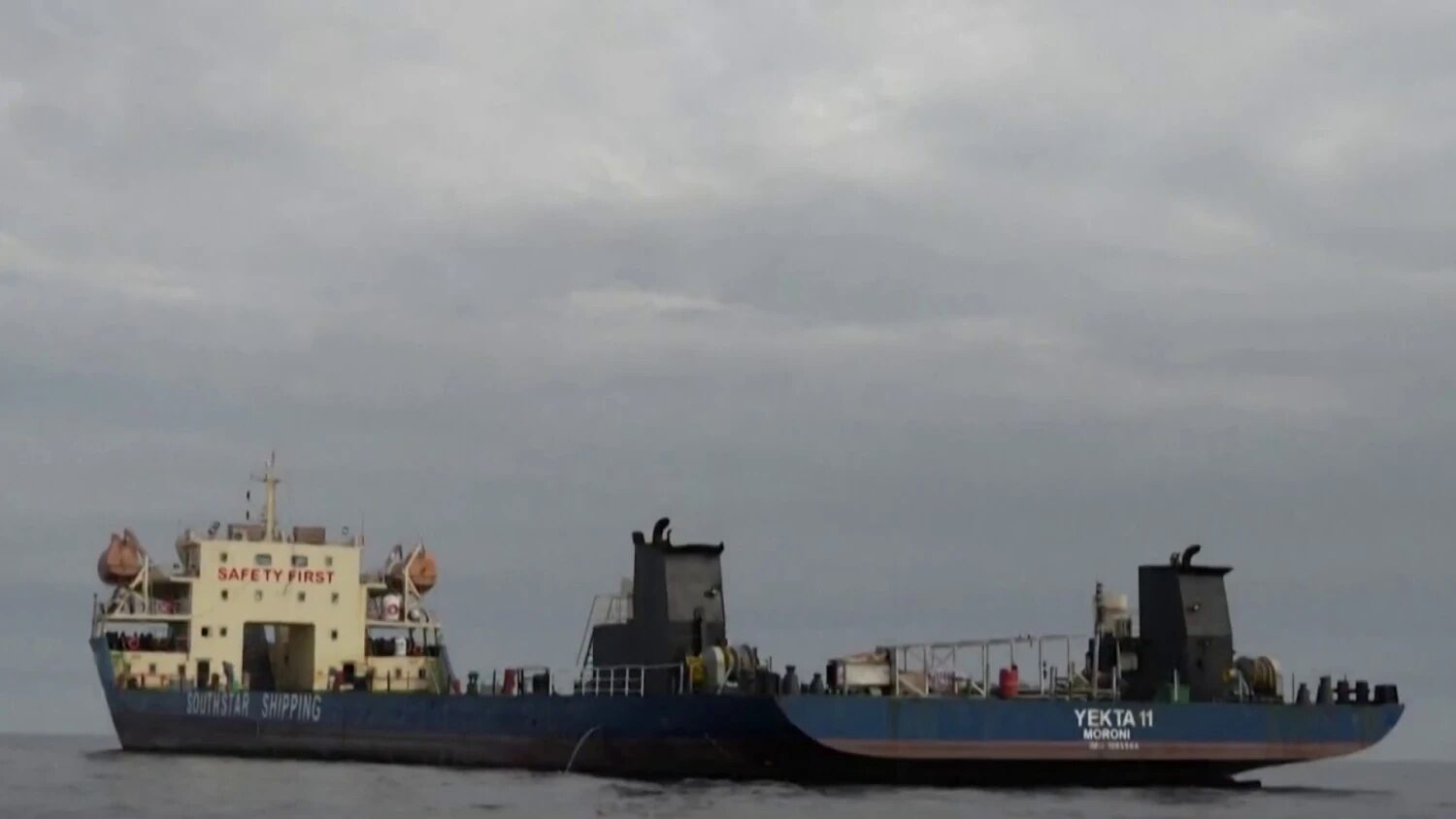
The blockade focuses on vessels associated with Iran, as US forces caution that any Iranian ships nearing the restricted area may face interception or destruction. Washington has also warned that vessels paying tolls to Iran for transit may encounter similar consequences.
Following the onset of hostilities between the United States and Israel against Iran on February 28, Tehran has successfully limited access to the Strait of Hormuz, a vital global shipping route that once facilitated the passage of nearly a fifth of the world’s oil and gas supplies.
Iran has maintained that vessels may only pass through under its authority and with the payment of fees, a decision that has interrupted global energy flows and increased concerns regarding supply security.
On Tuesday, oil markets showed signs of relief, with benchmark prices dropping below $100 per barrel amid hopes that diplomatic efforts might prevent a lengthy disruption.
Shipping activity displayed initial indications of adaptation to the new circumstances. Data revealed that a Chinese-owned tanker successfully navigated through the strait, marking the first transit of its kind since the blockade commenced, after initially retreating amid earlier uncertainty.
The US Central Command stated that the blockade would be applied “impartially” to vessels entering or leaving Iranian ports, while also clarifying that neutral ships heading to non-Iranian destinations would not face any obstruction.
The escalation has garnered minimal international backing. Key allies, including NATO members like the UK and France, have separated themselves from the operation, instead advocating for initiatives to reopen the waterway and reduce tensions.
US Vice President JD Vance stated that negotiations had produced “some positive signs,” highlighting that Iran had demonstrated limited progress regarding US demands, especially concerning nuclear restrictions. Washington maintains that any agreement must eradicate Iran’s ability to develop nuclear weapons.
Iran has denounced the blockade as “piracy,” cautioning that any effort to limit access to its ports would provoke retaliation throughout the Gulf. The military has also cautioned that foreign naval forces’ presence near the strait could jeopardize the fragile ceasefire currently in place.
The situation continues to be unstable, with military operations persisting beyond Iran. Israeli forces have persisted in their operations in Lebanon, focusing on positions associated with Hezbollah, which adds further complexity to the regional security situation, particularly as these actions may provoke retaliatory measures from Hezbollah and further escalate tensions in the region.
The intensification of the blockade has heightened geopolitical risks, yet the possibility of ongoing dialogue, such as negotiations between key regional players, has provided a brief respite for global markets.