United Airlines CEO Suggests Historic Merger With American Airlines During Meeting with Trump
The CEO of United Airlines suggested a merger with American Airlines during a meeting with Trump, which has raised concerns about competition, pricing authority, and potential regulatory oversight.
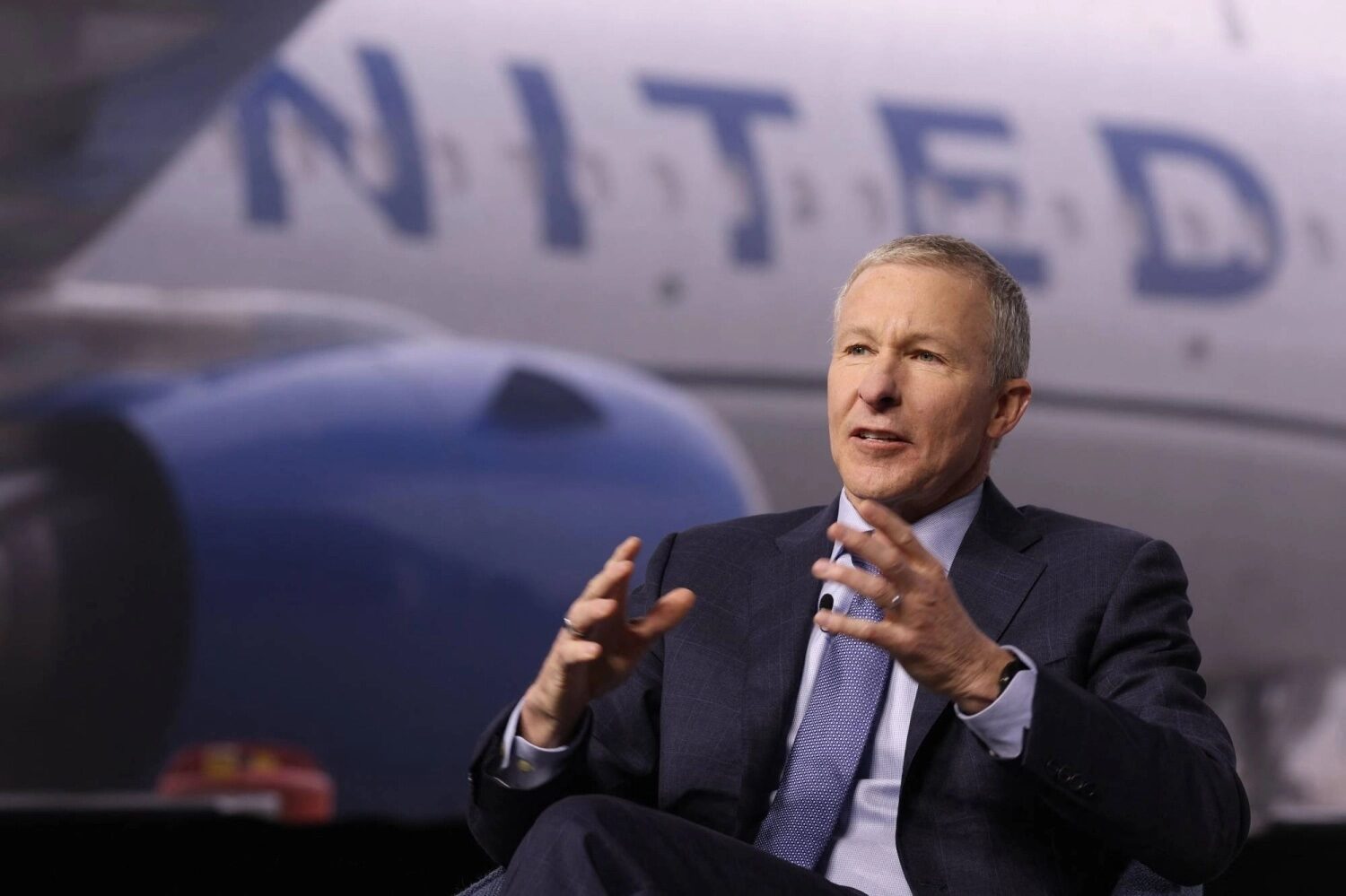
Scott Kirby, the chief executive officer of United Airlines, suggested the possibility of merging his airline with American Airlines during a meeting with US President Donald Trump at the White House in late February, as reported by sources familiar with the conversation.
The discussion occurred on February 25, near the conclusion of a planned meeting centered on the future of Dulles International Airport. The concept of the merger was presented in a casual manner, yet it held considerable significance due to the size of both carriers and their influence in the global aviation sector.
The merger of United and American would mark the most significant consolidation in the airline industry in over ten years, intensifying the dominance of a US market already overseen by four major carriers. Alongside Delta Air Lines and Southwest Airlines, the two companies collectively represent a significant portion of both domestic and international passenger traffic.
OAG’s aviation data indicates that in 2025, when considering international operations, United and American will be the two largest airlines in the world in terms of available seat capacity. Kirby leveraged this position to contend that a merger would result in a more robust and competitive US carrier, better equipped to take on foreign airlines in long-haul markets.
He observed that a considerable share of long-haul flights to and from the United States is conducted by non-US airlines, even though most of the passengers are American citizens. Kirby presented the proposed merger to enhance the competitive position of US airlines on a global scale and to align with wider economic objectives, such as tackling international trade imbalances.
The proposal was timed just days before the escalation of geopolitical tensions involving the United States, Israel, and Iran, leading to a significant increase in jet fuel prices. Airlines have been compelled to modify their pricing strategies due to the rise in operational expenses, which includes increasing fares and implementing extra fees.
In light of the strategic arguments presented, industry analysts and regulatory experts have voiced significant doubts regarding the practicality of this merger. Concerns focus on the possible decrease in competition, the overlap of route networks, and the wider implications for ticket prices and consumer options.
Resistance is anticipated from various sources, such as labor unions apprehensive about potential job losses, rival airlines worried about market control, legislators concentrating on antitrust issues, and airport authorities assessing route concentration.
Antitrust lawyer Seth Bloom observed that the merger is expected to encounter considerable regulatory challenges, even with an administration viewed as more permissive regarding corporate consolidation. He highlighted that the existing policy landscape prioritizes consumer protection against escalating costs, and a merger of this magnitude might enhance airlines’ pricing authority.
Insiders at the White House have suggested that there are doubts regarding the proposal, especially considering its possible effects on competition amid significant economic pressures on consumers as midterm elections approach.
Neither United Airlines nor American Airlines has confirmed any formal merger discussions, and it is still uncertain whether any official proposal has been submitted or if talks have advanced beyond initial exploration. Neither company provided a comment, and the White House did not reply to requests for clarification.
The market responded to the reports swiftly yet with restraint. American Airlines saw its shares increase by over five percent in after-hours trading, indicating investor optimism regarding a possible deal, whereas United Airlines shares remained relatively stable.
American Airlines is under ongoing pressure to enhance its financial performance, especially as it strives to narrow the gap with rivals such as United and Delta. The airline is currently overseeing around $25 billion in long-term debt, which constrains its financial flexibility amid rising fuel costs.
In contrast, United Airlines has expressed assurance in its capacity to manage the ongoing challenges within the industry. Kirby has indicated that ongoing cost pressures may present opportunities for more robust airlines to increase their market share while less resilient competitors face challenges, potentially leading to a shift in industry dynamics where stronger airlines could capitalize on the weaknesses of their rivals.
The US airline industry continues to be significantly concentrated, with the four largest carriers each holding approximately 17 percent of domestic traffic, based on data from the Department of Transportation. A merger between these two dominant players would fundamentally alter the competitive landscape.