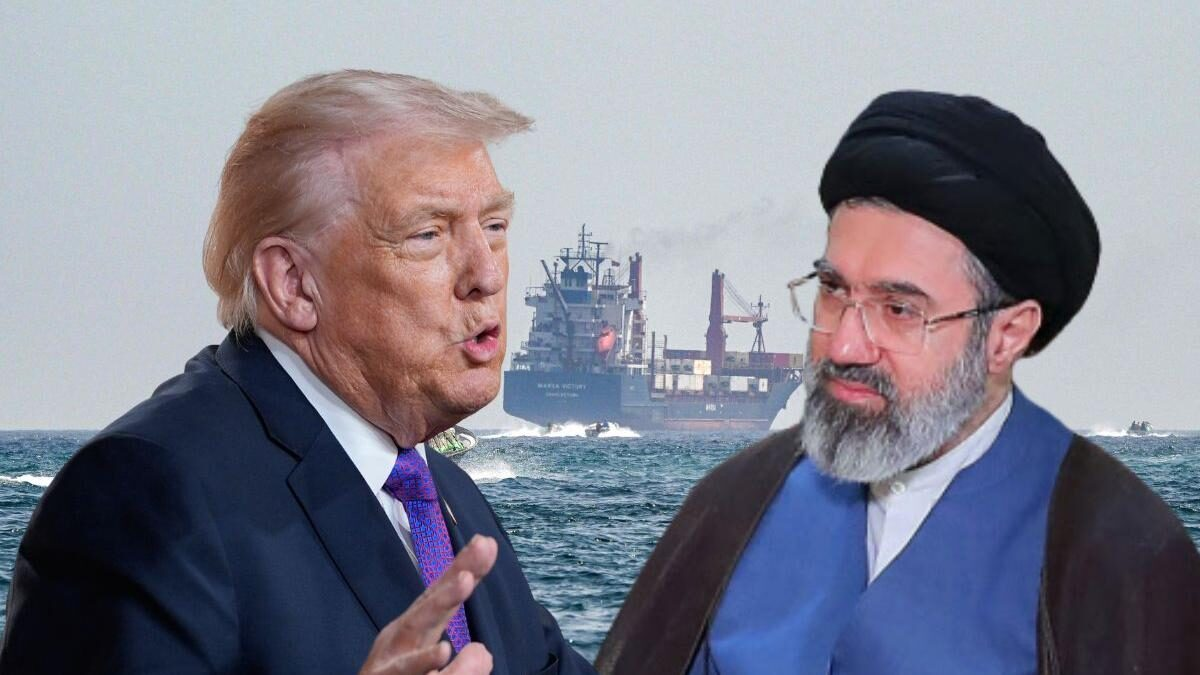
NATO allies have dismissed Trump’s Iran blockade and suggested a post-conflict mission aimed at reopening the Strait of Hormuz to safeguard global shipping.
Key members of NATO have declined to take part in a US-led blockade of Iranian ports, deepening divisions within the alliance and complicating efforts to address rising tensions in the Gulf.
The rejection comes after President Donald Trump announced that American forces would implement a blockade aimed at vessels associated with Iran, cautioning that any Iranian ships entering restricted areas could face destruction.
The blockade, initiated following unsuccessful negotiations with Tehran, affects vessels moving to or from Iranian ports, especially in the strategically important Strait of Hormuz, a waterway that usually transports approximately one-fifth of the world’s oil supplies.
Although there were early indications that allies might participate in the operation, significant European nations such as the United Kingdom and France have opted out, choosing instead to support diplomatic and post-conflict resolutions.
British Prime Minister Keir Starmer articulated his stance, emphasizing that the UK would not become involved in the conflict, despite what he referred to as “considerable pressure.”
“We do not endorse the blockade,” Starmer stated, emphasizing that his government’s main focus is to prevent direct military involvement.
France has also separated itself from the actions of the US. President Emmanuel Macron has unveiled plans to bring together a multinational initiative focused on reinstating safe navigation in the strait once hostilities come to an end.
Macron stated that the proposed mission would be purely defensive, aimed at escorting commercial vessels and safeguarding freedom of navigation without participating in combat operations.
NATO Secretary General Mark Rutte has suggested that the alliance may still have a role in securing the strait, contingent upon a unified approach agreed upon by all 32 member states.
According to diplomatic sources, discussions are reportedly in progress, with a planning meeting anticipated to involve approximately 30 countries, including Gulf states, India, and various European nations, likely to be held in Paris or London.
The suggested mission would function autonomously from both the US and Iran, with military vessels dispatched to provide reassurance for shipping lanes while avoiding any perception of involvement in the conflict.
Nonetheless, the difference in approach has increased tension in transatlantic relations. Trump has previously expressed criticism towards NATO allies regarding burden-sharing and has even suggested the potential for a reduction of US military presence in Europe.
New tensions have arisen as several countries allegedly refused US military aircraft entry into their airspace during operations associated with the Iran conflict.
In the meantime, regional powers have emphasized the importance of prioritizing diplomacy. Turkish Foreign Minister Hakan Fidan emphasized that the reopening of the Strait of Hormuz should be accomplished through negotiations instead of military escalation, cautioning that establishing an international force at this point would be complicated.
Following the onset of conflict on February 28, Iran has significantly limited access to the strait, claiming authority over passage and heightening worries regarding possible charges on shipping.
As divisions widen among Western allies, uncertainty persists regarding the future of global energy flows and maritime security in one of the world’s most vital trade corridors.