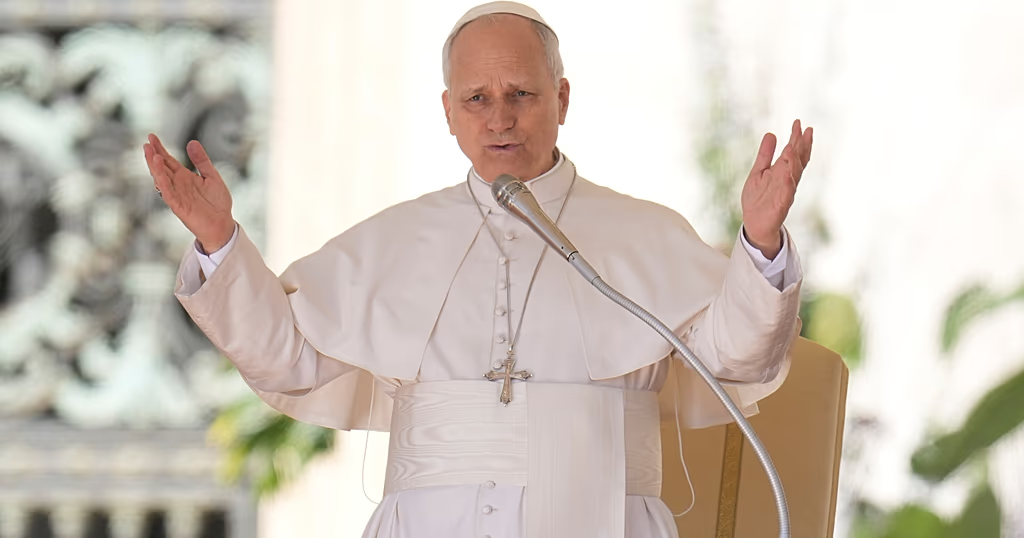
Pope Leo XIV Commences Historic Visit to Algeria, Advocates for Christian–Muslim Unity
Pope Leo XIV embarks on a significant visit to Algeria, advocating for Christian-Muslim harmony and paying tribute to St. Augustine, all while navigating global tensions and criticism.
Pope Leo XIV commenced his inaugural papal visit to Algeria on Monday, embarking on an 11-day African tour aimed at fostering Christian–Muslim coexistence, celebrating the legacy of St. Augustine, and establishing a significant connection with a predominantly Muslim nation.
Leo’s two-day visit to Algeria marks the beginning of his extensive journey through four African nations—Algeria, Cameroon, Angola, and Equatorial Guinea. This trip is viewed as pivotal for the first U.S.-born pope in his mission to enhance the Catholic Church’s influence in Africa and promote interfaith dialogue.
“Peace be with you,” Leo said repeatedly, as the Vatican emphasized the theme of reconciliation and religious harmony that will characterize the visit.
On Monday, the pope touched down at Algiers’ Houari Boumédiène International Airport, where he was welcomed by Algerian President Abdelmadjid Tebboune prior to a planned meeting at the El Mouradia presidential palace.
Leo’s visit occurs during a time of increased global tensions, particularly the U.S.–Israeli conflict with Iran, which has lent significant political importance to his diplomatic mission. Before the trip, President Donald Trump expressed strong criticism of the pontiff, stating he believed Leo was “not doing an impressive job,” labeling him “a very liberal person,” and recommending that he “stop catering to the radical left.”
The pope addressed the situation during the flight to Algeria, stating that the Vatican’s message of peace is grounded in the Gospel and that he remains undeterred by political pressure, including that from the Trump administration.
On Monday in Algiers, Leo was anticipated to speak to Algerian authorities, visit the Great Mosque of Algiers, and subsequently participate in a gathering at the Basilica of Our Lady of Africa, where testimonies from a Catholic nun, a Pentecostal believer, and a Muslim speaker were planned to accompany his remarks. He will also offer prayers at a nearby memorial dedicated to migrants who lost their lives in shipwrecks while trying to reach Europe.
The basilica, a Roman-Byzantine structure erected during French colonial rule in the late 19th century, stands as a symbol of interfaith coexistence. The archbishop, Cardinal Jean-Paul Vesco, observed the daily engagement among different faiths.
“On any given day, nine out of 10 visitors to the basilica are Muslim,” Vesco stated. “It’s truly a joy to demonstrate that we can unite as brothers and sisters, creating a society together despite our diverse beliefs.”
He remarked that the Church in Algeria has consistently undertaken this mission: “And that is what our church has been doing since this country gained independence.”
Algeria, home to approximately 47 million individuals, is predominantly Sunni Muslim, featuring a small Catholic community of around 9,000, primarily consisting of foreign residents. The constitution permits religious practice beyond Islam; however, proselytizing to Muslims is prohibited, leading to various restrictions on several Christian denominations, including the closure of churches.
The United States has included Algeria on a watch list for religious freedom, highlighting concerns regarding “severe violations of religious freedom.”
For certain residents, the papal visit represents a significant moment, yet it does not assure any actual change.
“I think it’s a positive development that a pope is visiting Algeria,” remarked Selma Dénane, a student in Annaba. “But what will it alter afterward?” Will Christians be able to express, ‘I am a Christian’ without fear or stigma?
Leo’s visit holds significant historical weight in a nation shaped by its past traumas. In the 1990s, during Algeria’s civil war, known as the “Black Decade,” approximately 250,000 individuals lost their lives, among them 19 Catholic religious figures.
Included in this group were seven Trappist monks from Tibhirine, who were abducted and killed in 1996, along with two nuns from Leo’s Augustinian spiritual tradition.
On his inaugural day in the country, the pope was anticipated to pay tribute to the 19 martyrs and engage with Augustinian nuns who persist in their social work at the Algiers basilica, assisting individuals of all faiths.
“They dedicated their lives to God, to Jesus, to the church, and to the Algerian people, choosing to remain in the country even during challenging times,” stated Sister Lourdes Miguelez.